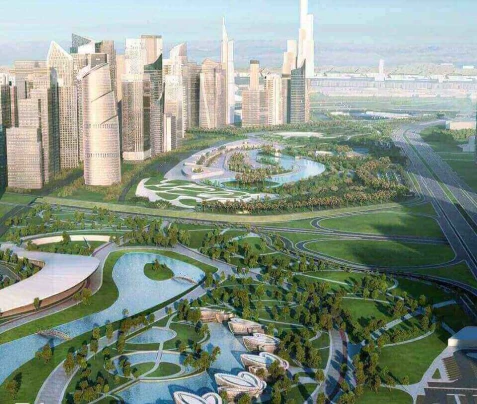
The New Administrative Capital (NAC) of Egypt represents an ambitious vision of the country's future. Strategically located, this new city provides easy access to Greater Cairo and neighboring cities. Designed as an integrated urban environment with cutting-edge technology, the capital aims to improve citizens' quality of life and stimulate economic growth. Here, we’ll explore essential details about the New Administrative Capital, including its location, features, services, and top real estate projects.
Key Information About the New Administrative Capital and Its Top Projects
The New Administrative Capital is a transformative project at the heart of Egypt, created to reimagine urban life and enhance quality of life for residents. As a "smart city" with advanced facilities and technology, the NAC embodies Egypt’s future vision and is set to accommodate millions by 2050. Here are the most critical aspects of this mega-project and the top developments within it:
1. Location of the New Administrative Capital
The NAC is located east of Cairo, near the Regional Ring Road and the Cairo-Suez Road, allowing for easy access from Greater Cairo. It’s surrounded by new cities like Mostakbal City and Badr City, making it an attractive destination for residents and investors.
2. Area of the New Administrative Capital
The NAC spans approximately 714 square kilometers, nearly four times the size of Washington, D.C. The city’s development is divided into multiple phases, with the first phase covering around 40,000 acres.
3. Architectural and Design Features
Designed with a modern, unique architectural style, the NAC takes inspiration from European designs. The city’s "green" focus is evident, with extensive green spaces and wide parks planned throughout.
4. Services and Amenities
The New Administrative Capital includes a diverse array of modern services and amenities, including:
- Educational Institutions: International education is offered at institutions like the American University and the German University.
- Medical Centers: State-of-the-art hospitals and medical centers.
- Green Spaces: The Green River is planned as the world’s longest park.
- Shopping Centers and Malls: Modern shopping malls offering a unique retail experience.
5. Top Projects in the New Administrative Capital
Several flagship projects define the NAC, including:
- Central Business District (CBD): The NAC’s commercial hub, featuring corporate headquarters and the Iconic Tower, the tallest building in Africa.
- Green River: A vast green area stretching over 10 kilometers with recreational and leisure parks.
- Al-Fattah Al-Aleem Mosque: One of the largest mosques in the Arab world, with a capacity for 17,000 worshippers.
- Electric Train: Linking the NAC with other cities and boosting regional mobility.
- Egypt Capitals Museum: A museum showcasing Egypt’s historical capitals, serving as a significant cultural attraction.
6. Investment Opportunities in the New Administrative Capital
The NAC is among the Middle East’s largest investment opportunities. Its advanced infrastructure and grand-scale projects attract many companies and investors, and property values are expected to rise significantly due to growing demand.
7. Opening and Progress
The Egyptian government plans to open the NAC’s first phase soon, with major projects nearing completion, reflecting the government’s commitment to developing this visionary city.
Where Is the New Administrative Capital Located?
The NAC’s prime location was carefully chosen to meet the needs of its residents and visitors. Here are details about the NAC’s location:
1. Geographic Location
The NAC is located east of Cairo, between the Cairo-Suez Road and the Cairo-Ain Sokhna Road. It borders Badr City to the north and Greater Cairo to the south, providing easy access from various regions.
2. Proximity to Major Roads
The capital’s strategic location offers easy access to several main roads:
- Cairo-Suez Road: Fast access to the Suez Canal cities.
- Cairo-Ain Sokhna Road: Convenient for coastal travel.
- Regional Ring Road: Connecting the NAC to new cities and other industrial areas.
3. Accessibility to Neighboring Cities
The NAC is approximately 60 km from Ain Sokhna and the city of Suez, placing it near essential tourism and industrial areas. It is also about 42 km from the Tenth of Ramadan City.
4. Capital Airport Access
Plans include a new international airport, further enhancing the NAC’s appeal as an investment and tourist destination.
5. Future Plans
The government envisions the NAC as a vital hub, increasing connectivity with expanded road and rail networks.
How Is the NAC Area Divided?
Due to its vast area of approximately 714 square kilometers (170,000 acres), the NAC is developed in stages:
1. First Phase
- Area: Around 40,000 acres (161.87 km²).
- Development Focus: Initial infrastructure, residential and administrative units.
2. Second Phase
- Area: Approximately 47,000 acres (190.2 km²).
- Development Focus: Expansion of housing projects, new schools, gardens, and commercial centers.
3. Third Phase
- Area: Roughly 97,000 acres (392.54 km²).
- Development Focus: Additional residential and commercial projects with an emphasis on sustainability and smart infrastructure.
What Are the NAC’s Unique Features?
As a groundbreaking urban development, the NAC offers several key features that make it ideal for living and investment:
- Modern Architectural Design: Contemporary global architectural styles, ensuring aesthetic diversity.
- Extensive Green Spaces: Parks and open areas, such as the world’s longest park, the Green River.
- Smart City Technology: High-speed internet and smart management systems for facilities, enhancing daily life.
- Advanced Infrastructure: Efficient transportation and services.
- Comprehensive Services: International schools, universities, healthcare facilities, and shopping centers.
- Strategic Location: Close to Greater Cairo with easy access through major roads and public transit.
- Varied Housing Options: A mix of residential units for diverse social groups.
- Security: Equipped with advanced surveillance systems.
- Investment Opportunities: Includes a business district attracting both local and international investors.
- Integrated Living Environment: Aims to combine comfort, luxury, and innovation for an enhanced quality of life.
What Services Are Available in the New Capital?
The NAC is designed as a model for modern urban planning with an array of services to meet residents' and visitors' needs:
- Education:
- International Schools: Diverse curricula offered by schools like Manor House and the British International School.
- Universities: Institutions like the International American University, Liverpool University, and New Canadian University.
- Healthcare:
- State-of-the-art medical centers and hospitals.
- Parks and Public Spaces:
- Green River: Extensive green space offering recreational and fitness activities.
- Various themed parks like Science and Botanical Gardens.
- Security and Safety:
- An integrated security system with around 6,000 surveillance cameras.
- Transportation:
- Electric Train: Linking the NAC to nearby cities.
- Modern Road Network: Connecting to surrounding areas.
- Commercial Facilities:
- Shopping centers like Front Gate Mall and Enzio Mall.
- Various markets and specialized stores.
- Entertainment and Culture:
- City of Arts and Culture: Home to the Opera House and Music Theater.
- Capitals Museum: Showcasing the history of Egypt’s capitals.
- Facilities Management:
- Smart waste collection and sustainable utility management systems.
What Are the Most Popular Projects in the NAC?
The NAC is home to some of Egypt’s most significant developments, combining contemporary design with advanced infrastructure. Here are the NAC’s top projects:
- Central Business District (CBD):
- Investment: Approximately $3 billion.
- Facilities: Major corporate offices, banks, and the Iconic Tower.
- Green River:
- The longest park in the world, spanning 10 km.
- Al-Fattah Al-Aleem Mosque:
- Among the largest mosques in the Arab world, with a unique design accommodating over 17,000 worshippers.
- Electric Train:
- Enhances transportation within the NAC.
- Iconic Tower:
- Africa’s tallest building at 385 meters.
- Egypt Capitals Museum:
- A cultural museum showcasing Egypt’s historical capitals.
- Egypt National Stadium:
- Egypt’s largest stadium with a seating capacity of 90,000.
- City of Arts and Culture:
- A cultural hub featuring the Opera House and other art spaces.
Key Real Estate Developments in the NAC
Real estate in the NAC caters to a wide range of residents and investors. Here are some key real estate highlights:
- Residential Districts:
- Modern, green communities with apartments, villas, and townhouses.
- Government District:
- Key government buildings including the presidential, parliamentary, and cabinet offices.
- Business District:
- Home to the Iconic Tower and various commercial spaces.
- Residential Compounds:
- Notable compounds include Aurora, Green Avenue, and Scarta.
- Commercial Centers:
- Malls like Front Gate, Paris Mall, and The Walk.
- Hotels:
- High-end hotels to attract tourists and business professionals.
Real estate in the NAC offers diverse options, from upscale residential compounds to commercial hubs and government offices. This capital reflects Egypt's vision for the future, providing a promising investment landscape.
The New Administrative Capital: A Comprehensive Overview
The New Administrative Capital is an ambitious project that represents Egypt’s vision for the future. Located in the heart of the country, it benefits from a strategic position that offers easy access to Greater Cairo and surrounding cities. The new capital aims to provide an integrated urban environment characterized by innovation and modern technology, improving the quality of life for citizens and driving economic growth. In this context, we present key information about the New Administrative Capital, including its location, features, services, and notable real estate projects.
1. Location of the New Administrative Capital:
The New Administrative Capital is situated east of Cairo, near the Regional Ring Road and Cairo-Suez Road, making it easily accessible from various parts of Greater Cairo. Surrounded by several new cities like Mostakbal City and Badr City, it enhances its ability to attract residents and investors.
2. Area of the New Administrative Capital:
The total area of the New Administrative Capital covers approximately 714 square kilometers, nearly four times the size of Washington, D.C. The city is divided into multiple phases, with the first phase alone covering about 40,000 acres.
3. Architectural and Design Features:
The New Administrative Capital is characterized by its modern, unique architectural design inspired by European styles, with a focus on creating green spaces and large parks. The entire city is expected to be green, with gardens and trees spread harmoniously throughout.
4. Services and Facilities:
The new capital hosts a diverse array of modern services and facilities, including:
- Educational Institutions: International campuses such as the American University and the German University.
- Medical Centers: The city has a range of advanced hospitals and medical centers.
- Parks and Green Spaces: Like the Green River, the longest park in the world.
- Shopping Centers and Malls: High-end malls that provide a unique shopping experience.
5. Prominent Projects in the New Administrative Capital:
Some of the key projects within the new capital include:
- Financial and Business District: The commercial heart of the capital, housing bank headquarters, major corporations, and the Iconic Tower—the tallest in Africa.
- Green River: The longest park globally, spanning over 10 kilometers and featuring recreational areas and multiple gardens.
- Al-Fattah Al-Aleem Mosque: One of the largest mosques in the Arab world, accommodating 17,000 worshipers with a distinctive architectural design.
- Electric Train: Connecting the new capital with other cities to enhance regional mobility.
- Museum of Egyptian Capitals: Showcasing the history of various Egyptian capitals from ancient times to the present, making it a distinctive cultural destination.
6. Investment Opportunities in the New Administrative Capital:
The New Administrative Capital is one of the largest investment opportunities in the Middle East, attracting many companies and investors due to its developed infrastructure and large projects. The city is expected to see a significant increase in property prices driven by rising demand.
7. Launch and Achievements:
The Egyptian government is working towards the near-term inauguration of the first phase of the New Administrative Capital, with major projects reaching advanced completion levels, reflecting the government’s commitment to developing this ambitious city.
Details on the Location of the New Administrative Capital
The New Administrative Capital is a significant urban development project in Egypt, strategically positioned to meet the needs of its residents and visitors. Below are details regarding its location:
- Geographic Location:
Located east of Cairo, between the Cairo-Suez and Cairo-Ain Sokhna highways, the new capital is bordered by Badr City to the north and the current capital to the south, facilitating access from multiple areas. - Proximity to Major Roads:
The capital's strategic location near main roads makes travel easy. These roads include:- Cairo-Suez Road: Provides quick access to the Canal cities.
- Cairo-Ain Sokhna Road: Facilitates travel to coastal areas.
- Regional Ring Road: Links the capital to other new cities and industrial areas.
- Proximity to Surrounding Cities:
The New Administrative Capital is approximately 60 kilometers from Ain Sokhna and 60 kilometers from Suez, making it close to key tourism and industrial areas. It is also about 42 kilometers from the city of 10th of Ramadan. - Access to the New Capital Airport:
Plans include an international airport, which enhances the city’s appeal for investments and makes it a preferred destination for visitors. - Future Plans:
The Egyptian government aims to make the New Administrative Capital a vibrant hub for businesses and residents, with plans to expand road and rail networks to increase connectivity with Cairo and nearby cities.
Division of the New Administrative Capital’s Area
The New Administrative Capital is divided into several phases, with its expansive area totaling around 714 square kilometers (equivalent to about 170,000 acres). Below are details on how the area is segmented:
- First Phase:
- Area: Approximately 40,000 acres, or 161.87 square kilometers.
- Development: Focuses on establishing urban foundations and infrastructure such as roads and basic utilities, along with residential and administrative units.
- Second Phase:
- Area: Around 47,000 acres, or 190.2 square kilometers.
- Development: Expands residential projects and adds more facilities and services, such as schools, parks, and commercial centers.
- Third Phase:
- Area: About 97,000 acres, or 392.54 square kilometers.
- Development: Includes a growing number of residential and commercial projects, emphasizing sustainability and smart infrastructure, such as public transportation networks and waste management systems.
Features of the New Administrative Capital
The New Administrative Capital is an ambitious project that aims to develop a complete living and administrative environment in Egypt. The capital boasts several features that make it an ideal place to live and invest. The main advantages include:
- Modern Architectural Design:
Contemporary architectural styles inspired by the latest global trends ensure aesthetic diversity in buildings and public spaces. - Expansive Green Spaces:
The city is a green project, with parks, public gardens, and recreational areas like the Green River, the longest park in the world. - Smart City Technology:
The capital relies on an advanced technological system, including high-speed internet and intelligent facilities management systems, making daily life easier and increasing efficiency. - Advanced Infrastructure:
The new capital boasts a state-of-the-art infrastructure, including roads, public transportation, and service centers, making movement easier and reducing congestion.
Notable Projects in the New Administrative Capital
The New Administrative Capital is one of Egypt's most important development projects, combining modern architectural design with a highly advanced infrastructure. The city is home to a variety of key projects that reflect the country’s future vision and offer a conducive environment for living and working. Key projects in the New Administrative Capital include:
- Financial and Business District:
- Investment: Approximately $3 billion.
- Facilities: Houses offices for major corporations and bank headquarters, along with the Iconic Tower, the tallest building in Africa at 385 meters high.
- Green River:
- Features: Provides a space for relaxation and sports activities, with various themed gardens such as the Science Garden and the Health Garden.
- Al-Fattah Al-Aleem Mosque:
- Architecture: A unique architectural design with 4 main domes and 21 small domes, making it a cultural and religious landmark.
- Electric Train:
- Length: Extends 103 kilometers, linking the new capital to cities like Salam City and 10th of Ramadan City.
- Iconic Tower:
- Usage: Includes residential apartments, a hotel, office spaces, as well as commercial and entertainment facilities.