
© 2026 بيديكس. جميع الحقوق محفوظة
العلامة التجارية بيديكس مملوكة لشركة يوروتك.
© 2026 بيديكس. جميع الحقوق محفوظة
العلامة التجارية بيديكس مملوكة لشركة يوروتك.
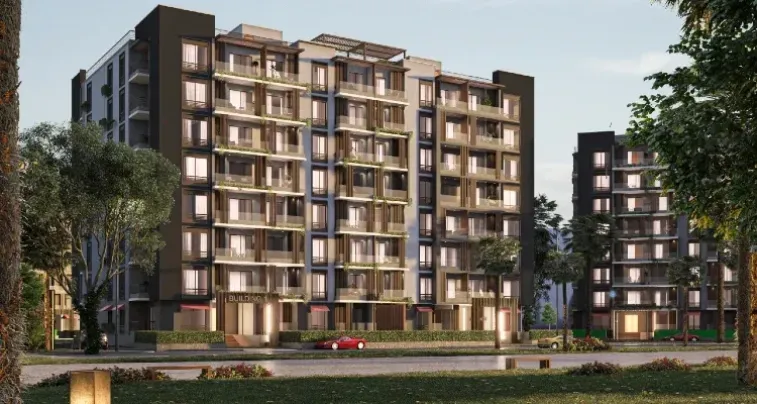
Understanding prices in the New Administrative Capital is essential for anyone looking to invest or purchase property in Egypt’s modern city. The New Administrative Capital has become a prime destination for residential and commercial projects due to its advanced infrastructure and integrated communities. Prices vary depending on property type, location, size, and finishing quality, offering options for different budgets and investment goals. This article explores average prices, factors affecting property values, the best investment areas, and ways to track price changes to help buyers and investors make informed decisions.
Prices in the New Administrative Capital vary widely depending on property type, location, and finishing quality. Apartments near government centers and commercial hubs are generally more expensive, while villas or units in newly developed areas tend to be more affordable. Property size is a key factor, with larger apartments or villas that include spacious balconies or private gardens costing more. The quality of finishes and amenities, such as security, parking, landscaped gardens, and shared swimming pools, also affects the overall value. Market trends indicate that prices in the New Administrative Capital are likely to rise as infrastructure projects are completed, making this a promising time for investment.
Different property types significantly influence prices in the New Administrative Capital. Smaller apartments are often the most economical choice for individuals or small families, while luxury apartments and villas offer larger living spaces, modern designs, and premium finishes at higher prices. Land plots in prime locations can be the highest-priced properties due to their potential for residential or commercial development. Understanding the relationship between property type and price helps buyers select the best option that offers value for money, whether for personal residence or investment purposes.
Location plays a crucial role in prices in the New Administrative Capital. Properties close to government offices, commercial centers, and essential services typically command higher prices. Conversely, inner neighborhoods or projects still under development may offer more competitive rates but require patience until infrastructure and services are fully completed. Proximity to schools, hospitals, and shopping areas further increases property value and demand. Therefore, studying the neighborhood before purchasing ensures buyers choose the best property within their budget and investment goals.
Several factors directly influence prices in the New Administrative Capital, including location, size, property type, finishing quality, and surrounding amenities. Properties near key services like schools, hospitals, and commercial centers tend to be more expensive. Interior and exterior design quality, as well as access to shared facilities such as swimming pools or gardens, also raise property value. Future developments, such as new commercial or governmental projects, have a direct impact on pricing trends. Understanding these factors enables buyers and investors to assess property realistically and make well-informed purchasing decisions.
Prices in the New Administrative Capital are influenced by several factors over time, including the completion of government and private projects, increasing demand for modern properties, and the development of infrastructure. In recent years, prices have seen a significant rise due to completed major projects and higher investor interest. Future projections suggest that this trend will continue as more residential, commercial, and service projects become operational. Understanding these dynamics helps buyers and investors time their purchases to maximize potential returns, whether for personal use or rental purposes.
Identifying the best areas for investment is crucial when considering prices in the New Administrative Capital. Areas close to government offices, essential services, and commercial centers tend to have higher demand and prices. These premium neighborhoods offer faster returns on investment and the potential for property value appreciation. Conversely, developing areas may offer more competitive prices but require patience until infrastructure and services are fully established. Choosing the right location depends on your investment goals, whether you aim for personal residence or long-term rental income, while factoring in projected price growth over time.
Financing plays a vital role for many buyers when dealing with prices in the New Administrative Capital. Egyptian banks and mortgage providers offer a variety of long-term loan programs with competitive interest rates. Additionally, some developers provide flexible installment plans spanning several years, making property ownership accessible without paying the full amount upfront. Being aware of available financing options helps buyers plan their budgets effectively, invest in prime locations, and make the purchase process smoother and more financially manageable.
To monitor prices in the New Administrative Capital accurately, it is essential to rely on trusted sources. These include real estate company websites, monthly market reports, and consultations with specialized property advisors. Following news about government and private projects in the area also helps anticipate price movements before they occur. Using these tools allows buyers and investors to obtain an accurate picture of current prices and track market changes, making it easier to make informed purchasing or investment decisions.
In conclusion, understanding prices in the New Administrative Capital is key for anyone looking to invest in or purchase property in Egypt’s modern city. Knowing current prices, factors affecting property value, the best areas for investment, and available financing options equips buyers to make well-informed and profitable decisions. With ongoing development and growth in the New Administrative Capital, properties remain a secure and rewarding long-term investment. Purchasing now provides the potential for substantial future value, whether for personal residence or rental income.
1. What is the average price of properties in the New Administrative Capital?
Prices in the New Administrative Capital vary depending on property type, size, and location. Generally, apartments start around 1.5 million EGP, while luxury villas in prime areas can exceed 8 million EGP.
2. Do property prices differ between neighborhoods?
Yes, location significantly affects prices in the New Administrative Capital. Areas near government offices, commercial centers, and essential services usually have higher prices, while developing neighborhoods may offer more competitive rates.
3. How does property size affect the price?
Larger properties typically cost more, especially if they include extra rooms, spacious balconies, or private gardens. Size also impacts comfort, privacy, and potential rental income.
4. Which areas are best for investment based on prices?
The best areas for investment are those close to schools, hospitals, and commercial hubs, as properties in these neighborhoods often experience higher demand and offer better long-term returns.
5. Are there financing options for purchasing properties in the New Administrative Capital?
Yes, Egyptian banks and mortgage providers offer long-term loans with competitive interest rates, and some developers provide flexible installment plans to facilitate property ownership.
6. How can I keep track of price changes?
You can monitor prices in the New Administrative Capital through real estate websites, developer announcements, market reports, and consulting property advisors, as prices are updated regularly based on demand and new project developments.