
© 2026 بيديكس. جميع الحقوق محفوظة
العلامة التجارية بيديكس مملوكة لشركة يوروتك.
© 2026 بيديكس. جميع الحقوق محفوظة
العلامة التجارية بيديكس مملوكة لشركة يوروتك.
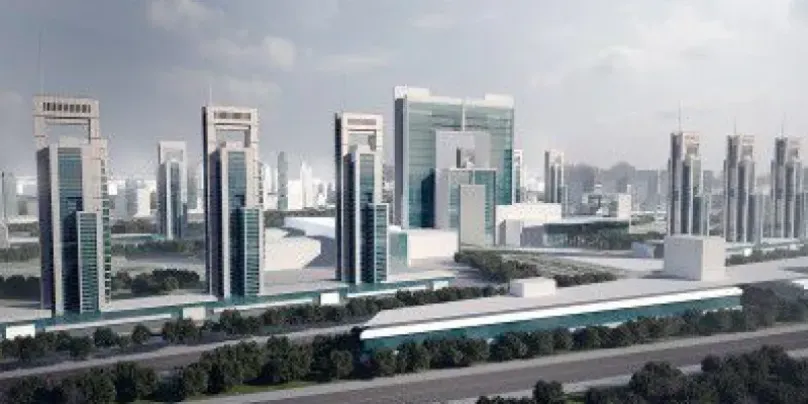
The New Administrative Capital location was chosen with precision to become the heart of Egypt’s future urban development. It lies about 45 kilometers east of Cairo, strategically positioned between the Cairo–Suez Road and the Cairo–Ain Sokhna Road, making it easily accessible from all major Egyptian cities.
This central location connects the capital to neighboring cities such as Badr, El Shorouk, and Madinaty, while being only a short drive from the New Capital International Airport. Thanks to an extensive network of highways and smart transport systems—including the electric train (LRT) and Mohamed Bin Zayed Axis—the New Administrative Capital location offers unmatched connectivity and accessibility.
This careful planning makes it more than just a new city; it’s a symbol of Egypt’s shift toward sustainable, organized, and futuristic urban expansion.
The New Administrative Capital location has become a magnet for investors due to its strategic position and advanced infrastructure. Surrounded by major roads, airports, and new business zones, it serves as a gateway between Cairo and the Suez region—two of Egypt’s most vital economic corridors.
Investors are drawn to the area because of the government’s relocation of ministries, banks, and corporate headquarters, which boosts demand for commercial and administrative properties. Moreover, the New Administrative Capital location is home to Egypt’s tallest building, The Iconic Tower, within the Business District, enhancing its global appeal.
With high-end residential projects, smart technologies, and a stable economic environment, this location represents long-term investment security and continuous growth in property value.
The property value in the New Administrative Capital location continues to rise as the city develops. Its proximity to Cairo, advanced infrastructure, and futuristic design make it one of the most promising real estate markets in the Middle East.
Properties here attract both local and foreign investors seeking luxury housing or high-return investments. With the ongoing relocation of Egypt’s government institutions and the expansion of transportation systems, the New Administrative Capital location is witnessing a steady appreciation in land and property prices.
This upward trend reflects not only the city’s strong foundation but also the growing confidence of investors in Egypt’s urban transformation plan.
The New Administrative Capital location covers a vast area exceeding 170,000 acres, giving planners the flexibility to design residential, commercial, and green zones in perfect harmony. Its slightly elevated position provides a cleaner environment and moderate climate compared to central Cairo.
It is bordered by major highways connecting to the Suez Canal cities and Ain Sokhna, allowing fast movement of people and goods. Another major advantage is the presence of The Central Park (Capital Park)—one of the largest green parks in the Middle East—adding to the quality of life within the city.
These geographical strengths make the New Administrative Capital location a model for future smart cities that balance modern infrastructure with natural beauty.
One of the greatest advantages of the New Administrative Capital location is its excellent accessibility from all over Egypt. The city is linked to Cairo and nearby regions through a modern network of highways, including the Cairo–Suez Road, Ain Sokhna Road, and the Mohamed Bin Zayed Axis, ensuring smooth and quick travel.
In addition, the Light Rail Transit (LRT) connects the New Administrative Capital directly to Cairo in under an hour, with multiple stations serving commuters and residents alike. The upcoming high-speed electric train will further connect the capital to 6th of October City and New Alamein, reinforcing its role as Egypt’s central transportation hub.
With its proximity to New Capital International Airport, the New Administrative Capital location offers seamless travel options, making it highly attractive for residents, investors, and global business executives.
Yes, the New Administrative Capital location is only about a 25–30 minute drive from New Cairo and Fifth Settlement, which makes it perfectly placed for people who want to live in a peaceful environment without losing connection to the city’s core.
This closeness to Cairo ensures that residents can enjoy modern living while remaining near their workplaces, schools, and business centers. The New Administrative Capital location is also surrounded by major urban zones such as Madinaty, Badr, and El Shorouk, creating a strong link between Egypt’s old and new cities.
The city’s well-designed infrastructure, combined with its geographical proximity, makes it an ideal choice for families and professionals seeking a balanced lifestyle.
From the start, the vision behind the New Administrative Capital location was to make it the epicenter of Egypt’s sustainable growth and urban expansion. Strategically located between Cairo, Suez, and Ain Sokhna, it acts as a bridge connecting Egypt’s political, economic, and industrial centers.
This location has become the focal point for governmental, financial, and residential projects, attracting billions in both local and foreign investments. The government’s move to relocate ministries and embassies there turned the New Administrative Capital location into a vibrant hub that drives employment, innovation, and infrastructure development.
It is not only a new city—it is Egypt’s long-term plan to decentralize Cairo and build a modern capital that meets international standards of living and efficiency.
The future of the New Administrative Capital location looks exceptionally promising. Over the next decade, it’s expected to become Egypt’s leading administrative, financial, and technological hub. With continuous investments in transportation, green energy, and smart systems, the city is evolving into one of the most advanced urban centers in Africa.
Property experts predict a steady rise in land and housing values as infrastructure projects, government relocations, and commercial hubs continue to expand. The New Administrative Capital location is set to attract multinational companies, startups, and investors looking for stability and innovation in one place.
Ultimately, the city’s future embodies Egypt’s vision of a smart, green, and sustainable metropolis that leads the region into a new era of progress.
The New Administrative Capital location is more than just a new spot on Egypt’s map—it’s a strategic gateway to the nation’s future. With its prime position, advanced infrastructure, and unmatched accessibility, the city has redefined what modern urban living looks like in the Middle East.
Combining innovation, sustainability, and strategic planning, the New Administrative Capital location stands as Egypt’s proudest example of growth and transformation. Whether for living or investment, it represents a golden opportunity for those who believe in the future of a smarter, greener Egypt.
1. Where exactly is the New Administrative Capital located?
The New Administrative Capital location is situated about 45 kilometers east of Cairo, between the Cairo–Suez Road and Cairo–Ain Sokhna Road. It was strategically selected to connect Greater Cairo with the Suez Canal region and Egypt’s main economic corridors.
2. How far is the New Administrative Capital from Cairo?
The New Administrative Capital location is approximately a 25–30 minute drive from New Cairo and Fifth Settlement, making it conveniently close to the capital while offering a quieter, cleaner environment away from the city’s congestion.
3. What makes the New Administrative Capital location ideal for investment?
Its strategic position, advanced infrastructure, and proximity to government headquarters make the New Administrative Capital location a top destination for real estate and business investments. Investors benefit from strong demand for administrative, commercial, and residential properties.
4. How can people reach the New Administrative Capital easily?
The New Administrative Capital location is well-connected via major highways like Mohamed Bin Zayed Axis, Cairo–Suez Road, and Ain Sokhna Road. Additionally, the Light Rail Transit (LRT) and the upcoming high-speed train make transportation fast and efficient.
5. Is the New Administrative Capital suitable for families to live in?
Yes, the New Administrative Capital location offers a modern, well-planned lifestyle ideal for families. It features wide green spaces, international schools, healthcare facilities, and entertainment areas, providing a comfortable and safe living environment.
6. What is the future outlook for the New Administrative Capital location?
Experts predict that the New Administrative Capital location will continue to grow as Egypt’s main business and administrative hub. With ongoing development, property values are expected to rise, making it one of the most promising real estate markets in the Middle East.