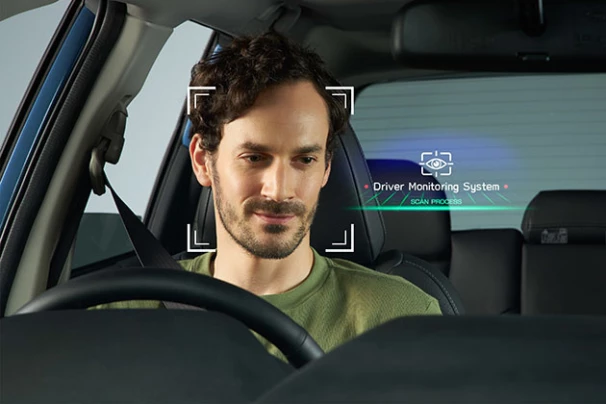
Driver fatigue and drowsiness are leading causes of road accidents. To mitigate these risks, advanced technology in the form of Driver Fatigue Monitoring Systems has emerged. These systems are designed to detect signs of driver fatigue and drowsiness, alerting the driver to take necessary actions to ensure their safety and the safety of others on the road.
What is a Driver Fatigue Monitoring System?
A Driver Fatigue Monitoring System is a combination of technologies and software that analyzes driving behavior to determine if a driver is feeling tired or drowsy. This is achieved by monitoring various factors, such as:
- Steering wheel movements: The system monitors the consistency of steering wheel movements. Sudden changes or deviations from the lane may indicate fatigue or inattention.
- Eye movements: Advanced systems use specialized cameras to monitor the driver's eye movements. Staring or brief dozing may be signs of fatigue.
- Response time: The system measures the driver's response time to commands or warnings. Slow response times may indicate fatigue.
- Vehicle speed: Changes in vehicle speed are analyzed. Sudden acceleration or deceleration may be a sign of fatigue or lack of focus.
Components of a Driver Fatigue Monitoring System
- Cameras: Used to monitor eye movement and head movements.
- Sensors: Measure steering angle and reaction time.
- Central control unit: Processes data from sensors and cameras and makes appropriate decisions.
- Display: Displays warnings and instructions to the driver.
- Audio system: Emits audible alerts when necessary.
How does a Driver Fatigue Monitoring System work? The system generally works through a set of sensors and cameras installed in the vehicle, which collect data on driving behavior. This data is then analyzed by the vehicle's electronic control unit, which uses complex algorithms to determine if the driver is experiencing fatigue. When signs of fatigue are detected, the system issues alerts to the driver, such as:
- Visual alerts: Warning messages appear on the instrument panel display.
- Seat vibrations: Gentle vibrations in the seat to alert the driver.
- Audible alerts: The system emits audible warning sounds.
- On-screen messages: Warning messages appear on the in-dash display.
- Color changes: The interior lighting color may change to alert the driver.
Importance of Driver Fatigue Monitoring Systems
- Accident reduction: The system significantly contributes to reducing the number of accidents caused by fatigue and drowsiness.
- Enhanced road safety: The system maintains the safety of the driver, passengers, and other road users.
- Improved driving experience: The system provides peace of mind for the driver, knowing that they are being monitored by an intelligent system that warns them of any potential dangers.
- Compliance with regulations: In some countries, driver fatigue monitoring systems are becoming mandatory in certain types of vehicles, to ensure the safety of all.
Challenges Facing Driver Fatigue Monitoring Systems
- Lighting conditions: Low or excessive lighting conditions can affect the performance of cameras and sensors.
- Weather conditions: Rain, snow, and fog can impair camera visibility and reduce system efficiency.
- Chronic fatigue: The system may have difficulty detecting chronic fatigue over long periods.
- Individual variation: The level of fatigue and response varies from person to person, making it difficult to set fixed standards for detecting fatigue.
- False positives: The system may mistakenly interpret certain movements and issue false alerts.
Tips for Maintaining Focus While Driving
- Get enough sleep: Ensure you have adequate sleep before embarking on a long journey.
- Avoid late-night driving: The risk of feeling drowsy increases during late-night hours.
- Stop driving if you feel tired: If you feel tired, stop driving immediately and rest in a safe place.
- Eat light and healthy meals: Eating light and healthy meals helps maintain energy levels.
- Avoid alcohol and drugs: Consuming these substances increases the risk of drowsiness and impairs driving ability.
Driver fatigue monitoring systems are a valuable addition to future vehicles, as they contribute to increased road safety and save lives. However, drivers should not rely solely on these systems and should take all necessary precautions to ensure their safety and the safety of others.