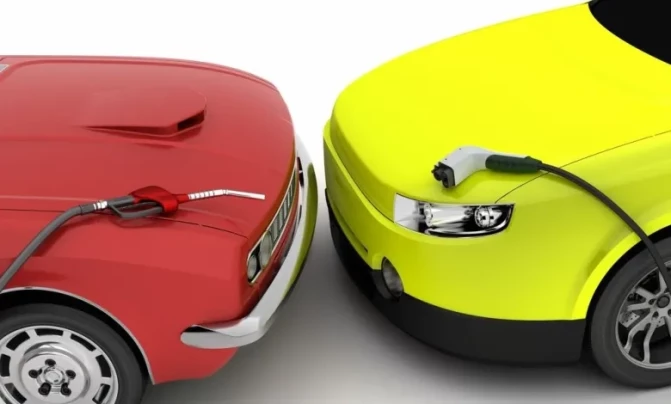
Imagine a world where cars glide silently, emitting no harmful exhaust fumes. A world powered by clean energy and future technologies. This world is no longer a distant dream, but a reality we're living in today thanks to the rapid advancements in the automotive industry.
Traditionally dominated by gasoline and diesel-powered vehicles, the automotive landscape is now experiencing a revolution with the rise of hybrid and electric cars. These eco-friendly alternatives are gaining popularity due to their efficiency and reduced environmental impact.
In this article, we will embark on an exciting journey to explore this automotive revolution. We will compare these three types of vehicles, highlighting the advantages and disadvantages of each to help you make an informed decision that aligns with your needs and lifestyle.
Vehicle Types Based on Power Source:
- Traditional Vehicles: Powered by gasoline or diesel fuel.
- Hybrid Vehicles: Combine an internal combustion engine with an electric motor.
- Electric Vehicles: Powered solely by electricity stored in rechargeable batteries.
Advantages and Disadvantages
Traditional Vehicles (Gasoline or Diesel)
- Advantages:
- Lower initial cost compared to hybrid and electric vehicles.
- Extensive network of fueling stations.
- Powerful performance due to internal combustion engines.
- Longer driving range thanks to large fuel tanks.
- Disadvantages:
- Harmful emissions contributing to climate change and air pollution.
- High operating costs due to continuous fuel consumption.
- Reliance on fossil fuels, making them susceptible to fuel price fluctuations.
Hybrid Vehicles
- Advantages:
- Improved fuel efficiency through the combination of internal combustion and electric motors.
- Lower carbon emissions compared to traditional vehicles.
- Good acceleration from low speeds.
- Less maintenance required due to partial reliance on the electric motor.
- Disadvantages:
- Higher initial cost than traditional vehicles.
- Complex technology can lead to higher repair costs.
- Limited battery capacity compared to electric vehicles.
Electric Vehicles
- Advantages:
- Zero tailpipe emissions.
- High efficiency with no reliance on fossil fuels.
- Instant torque for quick acceleration.
- Less maintenance required due to fewer moving parts.
- Disadvantages:
- Much higher initial cost compared to traditional and hybrid vehicles.
- Longer charging times compared to refueling.
- Limited charging infrastructure in some areas.
- Shorter range compared to traditional vehicles, especially on long trips.
How Hybrid Vehicles Impact the Environment
Hybrid vehicles have a positive impact on the environment compared to traditional vehicles:
- Lower greenhouse gas emissions: Hybrids produce fewer carbon dioxide and other greenhouse gases.
- Improved fuel efficiency: Hybrids consume less fuel, reducing the need for oil extraction and refining.
- Reduced air pollution: Due to partial reliance on electric power, hybrids emit fewer pollutants like nitrogen oxides and particulate matter.
- Lower noise pollution: When operating in electric mode, hybrids are quieter, contributing to reduced noise pollution in urban areas.
- Use of eco-friendly materials: Many hybrids use recycled materials in their construction and employ more sustainable manufacturing processes.
- Positive impact on urban air quality: In urban areas with slow traffic, hybrids often operate in electric mode, improving air quality.
- Encouraging innovation in clean technologies: The popularity of hybrids drives innovation in cleaner transportation technologies.