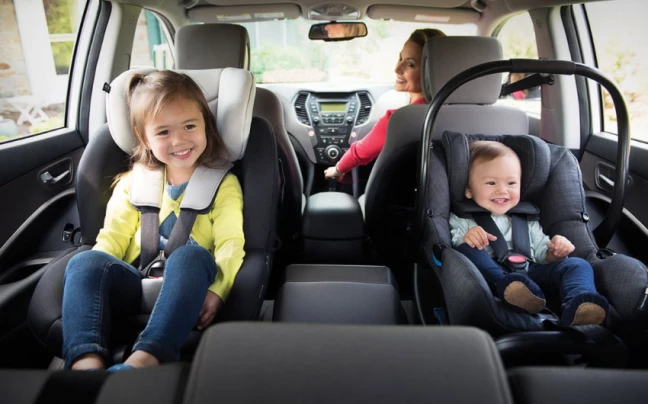
When it comes to your child's safety, there's no room for compromise. A child safety seat is an invaluable investment that provides essential protection in the event of an accident.
Car journeys are often a fun time for families, but they also carry potential risks in case of an accident. To safeguard our children from harm, we must take every necessary precaution, and the most important one is using child safety seats correctly.
This article provides a comprehensive guide to the importance of child safety seats, their different types, how to choose and install the right seat for your child, and the latest tips and guidelines to ensure your child's safety on every journey.
Why Are Child Safety Seats Important?
- Injury Protection: Car seats are the first line of defense in protecting your child in a crash. They are designed to absorb the force of an impact and protect your child's head, neck, and body from serious injuries.
- Reduced Fatalities and Injuries: Studies have shown that using car seats correctly significantly reduces the risk of fatal and serious injuries to children in car accidents.
- Compliance with Laws: Many countries have mandatory laws requiring the use of child safety seats to ensure the safety of children in vehicles.
- Distributing the Force of Impact: Car seats help distribute the force of an impact more evenly across a child's body.
- Preventing Forward Motion: They prevent a child from being thrown forward in the event of a sudden stop.
- Protecting Against Ejection: Car seats prevent a child from being ejected from the vehicle in a crash.
Types of Child Safety Seats
Child safety seats vary based on a child's age and weight, and include:
- Rear-facing car seat: Used for newborns and infants until they reach a certain age or weight.
- Forward-facing car seat: Used for older children who have outgrown the rear-facing car seat.
- Booster seat: Used for older children who have outgrown the forward-facing car seat.
How to Ensure Proper Installation
Proper installation is crucial for maximum safety. Follow these steps:
- Read the manual: Carefully review the instruction manual for both the car seat and your vehicle.
- Use LATCH or the vehicle's seat belt: Most modern vehicles are equipped with the LATCH system (Lower Anchors and Tethers for Children). If not available, use the vehicle's seat belt.
- Follow installation instructions: Follow the installation instructions carefully, whether using the vehicle's seat belt or ISOFIX system.
- Check the angle: For infants, ensure the seat is at the correct angle. Most seats have a built-in level indicator.
- Test for stability: After installation, try to move the seat from side to side and front to back. It should move no more than one inch in any direction.
- Adjust the harness: Ensure the harness is snug but comfortable. You should be able to fit only two fingers between the harness and your child's chest.
- Position the chest clip: The chest clip should be at your child's armpit level.
- Use the top tether: If the seat has a top tether, always use it for additional security.
- Secure your child: Position your child correctly in the seat and fasten the harness securely.
Additional Tips
- Seek professional help: If you're unsure about how to install a car seat correctly, consult a professional.
- Check the seat regularly: Regularly check the seat for tightness and ensure your child is growing into it properly.
- Avoid used car seats: Unless you're certain of the seat's history and condition, it's best to buy a new one.
- Comply with traffic laws: Ensure you comply with all traffic laws regarding child safety seats.
Why Are Car Seats Important?
- Head and neck protection: In a crash, the force of impact can throw a child's head and neck violently, leading to serious injuries. Car seats help absorb this force and protect your child's head and neck.
- Body protection: Car seats distribute the force of a crash over a larger area of a child's body, reducing the risk of injuries to different body parts.
- Internal organ protection: Car seats help protect a child's sensitive internal organs, such as the heart and lungs.
Additional Tips:
- Never use a front airbag for a child sitting in the front seat.
- Never use an adult seat belt to secure a child in a seat.
- Never place any toys or stuffed animals inside the car seat.
General Tips:
- Choose a seat that is appropriate for your child's age and weight.
- Ensure the seat is installed correctly in your vehicle.
- Replace the car seat after any accident, even if it appears minor.
- Avoid using used car seats unless you are certain of their history.