
© 2026 بيديكس. جميع الحقوق محفوظة
العلامة التجارية بيديكس مملوكة لشركة يوروتك.
© 2026 بيديكس. جميع الحقوق محفوظة
العلامة التجارية بيديكس مملوكة لشركة يوروتك.
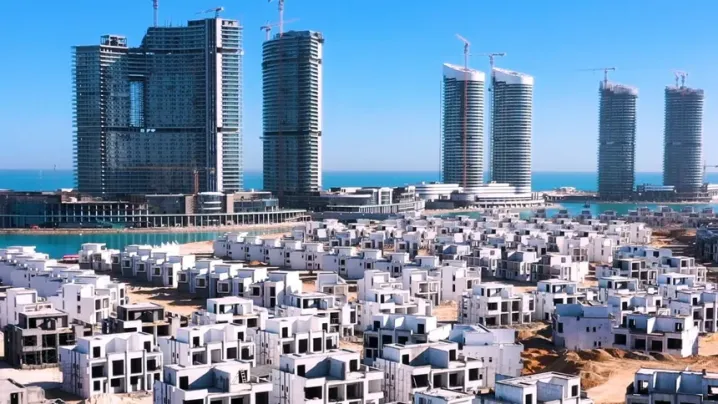
The Egyptian real estate market has been experiencing significant changes due to various economic factors, with inflation being one of the most critical. This article explores the Impact of Inflation on the Egyptian Real Estate Market, highlighting how rising prices affect property values, rentals, and investment opportunities. Understanding these dynamics helps buyers, tenants, and investors make informed decisions, whether purchasing a property, renting, or planning long-term investments. By analyzing market trends, pricing fluctuations, and the influence of government policies, stakeholders can protect their assets and seize profitable opportunities even in an inflationary environment.
The Impact of Inflation on the Egyptian Real Estate Market is reflected in rising property prices across various sectors:
Understanding these effects helps buyers and investors make strategic decisions about when and where to invest.
Analyzing the Impact of Inflation on the Egyptian Real Estate Market shows a strong link between rising inflation and increased demand for real estate:
This insight allows investors and buyers to anticipate market movements and make informed decisions.
Investors need effective strategies to mitigate the Impact of Inflation on the Egyptian Real Estate Market:
Implementing these strategies ensures long-term returns and a more resilient investment portfolio.
The Impact of Inflation on the Egyptian Real Estate Market is particularly evident in rental markets:
Understanding these trends helps tenants and investors choose the most advantageous options.
Analyzing the Impact of Inflation on the Egyptian Real Estate Market shows that rising inflation directly influences investment opportunities:
Understanding these factors helps investors make smart decisions that maximize profits and reduce risks.
Banks and financial policies play a crucial role in the Impact of Inflation on the Egyptian Real Estate Market:
Understanding the role of these policies helps investors and buyers plan their finances effectively.
The Impact of Inflation on the Egyptian Real Estate Market significantly shapes consumer behavior:
Understanding these behavioral shifts allows developers and investors to align strategies with actual market demand.
Future trends indicate that the Impact of Inflation on the Egyptian Real Estate Market will continue shaping prices and demand:
Monitoring these trends helps all stakeholders plan for the future and make informed, strategic decisions.
In conclusion, the Impact of Inflation on the Egyptian Real Estate Market affects property prices, rental rates, and investment opportunities. By analyzing market trends, understanding the relationship between inflation and demand, and considering government policies and financial tools, investors, buyers, and tenants can make informed decisions. Whether you are looking to purchase, rent, or invest, knowing how inflation influences the market provides a roadmap to maximize returns, minimize risks, and capitalize on opportunities in Egypt’s evolving real estate landscape.
1. What factors increase the impact of inflation on property prices?
Rising construction costs, higher material prices, and reduced purchasing power all directly affect property values in Egypt.
2. How does inflation influence rental rates?
As property prices rise, landlords often increase rents to offset costs, which increases demand for more affordable units.
3. How can investors protect their investments against inflation?
Diversifying portfolios, focusing on high-demand areas, monitoring rental yields, and using flexible financing options help investors safeguard returns.
4. How does inflation affect buyers’ decisions?
Higher prices may lead buyers to postpone purchases, opt for smaller units, or prefer renting as a temporary solution.
5. Can future market trends be predicted during inflationary periods?
Yes, analyzing the Impact of Inflation on the Egyptian Real Estate Market helps identify high-demand areas, future price trends, and long-term investment opportunities.
6. What role do government policies and banks play in mitigating inflation’s effects?
Financial policies, mortgage programs, and interest rate management stabilize the market and reduce the negative impact on buyers and investors.