
© 2026 بيديكس. جميع الحقوق محفوظة
العلامة التجارية بيديكس مملوكة لشركة يوروتك.
© 2026 بيديكس. جميع الحقوق محفوظة
العلامة التجارية بيديكس مملوكة لشركة يوروتك.
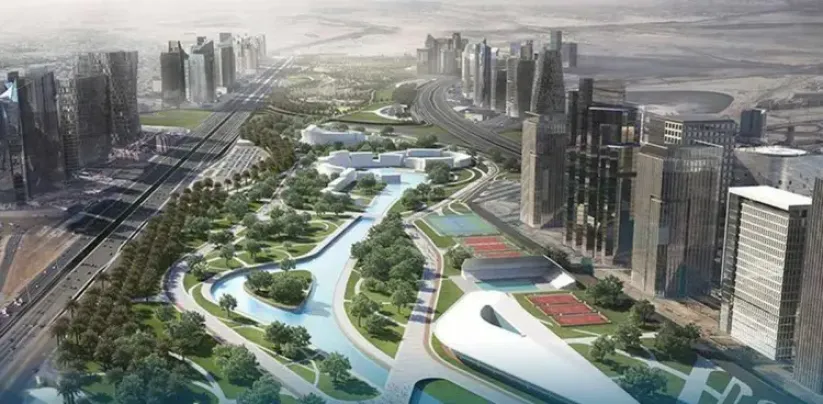
The New Administrative Capital is one of Egypt’s largest national projects, designed to be a fully integrated smart city. It aims to alleviate congestion in Greater Cairo while offering modern urban living with advanced infrastructure, green spaces, and comprehensive services. The city combines residential, commercial, and governmental districts to provide an ideal environment for both living and investing. With upscale neighborhoods, business centers, and leisure facilities, the New Administrative Capital represents a major step toward Egypt’s urban development goals, offering opportunities for residents and investors alike.
The New Administrative Capital is a flagship project showcasing Egypt’s vision for future urban planning. It offers a strategic location connecting Cairo to economic corridors like the Suez Canal, wide roads, smart transportation networks, and renewable energy systems. The city contains luxury residential areas, commercial hubs, and government offices, emphasizing sustainability through green spaces and environmentally friendly urban design. These features make the city attractive for investors and residents seeking high-quality urban life and long-term returns, positioning it as a model for modern city planning in the region.
The New Administrative Capital lies approximately 45 kilometers east of Cairo, bordered by the Cairo-Suez Road and Cairo-Ain Sokhna Road. Covering about 170,000 acres, it has ample space for residential, commercial, and governmental projects. The northern boundary is adjacent to Madinaty City, while the southern edge connects to the Regional Ring Road. Its location provides easy access from surrounding regions, enhancing investment potential and making it a central hub for business, administration, and residential development.
The New Administrative Capital features multiple planned residential districts, including R1, R5 (the Diplomatic District), and areas designated for luxury villas and apartments. Downtown serves as the commercial and entertainment hub, offering malls, office towers, and international hotels. These districts are carefully designed with schools, hospitals, parks, and recreational areas to create a fully integrated urban experience. Residents enjoy high-quality infrastructure, convenient services, and a modern lifestyle that makes the New Administrative Capital a top choice for families and investors.
The New Administrative Capital serves as a prime destination for both local and international investors due to its advanced infrastructure and strategic location. Investment opportunities span residential, commercial, and hospitality sectors, including luxury compounds, office towers, and hotels. The presence of the Financial District and government headquarters enhances the city’s appeal as a business hub. Additionally, government incentives, such as flexible payment plans and tax benefits, make investing in the New Administrative Capital a secure and promising choice with high potential returns over time.
The New Administrative Capital hosts a wide range of real estate projects designed to cater to diverse needs. These include luxury residential compounds, mid-range apartments, villas, and integrated commercial areas. Major developments also feature shopping malls, administrative towers, and international hotels that provide world-class amenities. All projects adhere to high construction and finishing standards, ensuring quality and convenience for residents and investors alike. This diversity of options makes the city ideal for living, working, and long-term investment.
Sustainability is central to the New Administrative Capital’s planning. The city includes extensive green spaces, renewable energy projects, smart water and electricity networks, and intelligent transportation systems to reduce congestion. Residential and commercial districts are connected strategically to ensure accessibility to essential services while maintaining a balance between built-up areas and open spaces. This thoughtful urban planning supports a modern, eco-friendly lifestyle, improves the quality of life for residents, and enhances the long-term investment value of properties in the city.
Property prices in the New Administrative Capital vary depending on the type, size, and location of the unit. Developers offer flexible payment plans, often extending up to 8–10 years with low down payments, making ownership accessible to a wide range of buyers. Some projects also provide early booking discounts and customized installment plans for investors. This combination of prime location, modern design, and flexible financing makes the New Administrative Capital an attractive option for both living and investing, ensuring long-term value appreciation.
Where is the New Administrative Capital located?
The New Administrative Capital is approximately 45 kilometers east of Cairo, between the Cairo–Suez Road and Cairo–Ain Sokhna Road, offering easy access to major highways and surrounding areas.
What makes the New Administrative Capital a national project?
The city features smart infrastructure, luxury residential districts, commercial hubs, government offices, renewable energy systems, and extensive green spaces, making it a model for Egypt’s urban development.
What are the main residential districts in the New Administrative Capital?
Key districts include R1, R5 (the Diplomatic District), luxury villa areas, apartment compounds, and Downtown, which serves as the commercial and entertainment center with malls, offices, and hotels.
What are the property prices and available payment plans?
Prices vary depending on unit type, size, and location. Flexible payment plans are available up to 8–10 years with low down payments. Early booking discounts and customized installments are also offered for investors.
How does the New Administrative Capital attract local and foreign investments?
The city draws investments through its strategic location, modern infrastructure, and economic incentives. The presence of the Financial District and government offices increases property demand and ensures attractive long-term returns.
Is the New Administrative Capital ready for residents now?
Many residential projects and infrastructure are already completed, while additional areas continue to be developed to accommodate future population growth and business activities.