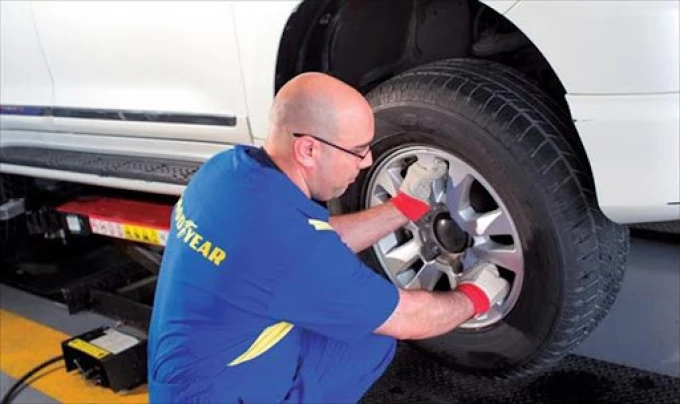
Tires are a fundamental part of the car, playing a vital role in ensuring safe driving and fuel efficiency. Here are some tips to keep your car tires in optimal condition:
- Check air pressure regularly
Ensure tire air pressure matches the specifications recommended by the manufacturer. Proper air pressure helps improve fuel efficiency and extend tire life. - Balance and wheel alignment
Be sure to regularly check wheel balance and alignment. Good balance prevents vibrations while driving and improves vehicle stability. - Regular tire rotation
Rotate tires between front and rear axles about every 10,000 km. This ensures even wear on the tires, increasing their lifespan. - Check wear periodically
Inspect tire tread wear regularly. If uneven wear is noticed, it may indicate an issue with balance or alignment. - Avoid overloading
Refrain from overloading the vehicle beyond the allowed limit, as it can increase pressure on the tires leading to accelerated wear. - Drive carefully
Avoid sudden acceleration, braking, and high speeds on rough roads. These practices preserve tire condition and reduce chances of damage. - Proper storage
When storing tires long term, keep them in a cool, dry place away from direct sunlight.
By following these tips, you can ensure your car tires perform excellently and achieve maximum levels of safety and efficiency while driving.
Signs that Indicate Replacement is Needed
- Worn treads if depth is less than 1.6 mm.
- Cracks or bulges on tire sidewall.
- Unusual vibrations while driving.
- Uneven tire wear.
- Age deterioration even if tread is intact. Best to replace tires every 6-10 years.
- Persistent air loss without visible holes.
- Damaged tire due to cuts or large punctures.
- Change in rubber texture or feel.
- Sidewall abrasion from friction or wear.
- Abnormal noise while driving.
If any of these signs are noticed, it's best to inspect the tires and replace if needed.
Proper Tire Inspection Steps
- Check air pressure: Use a pressure gauge to ensure it matches specifications by manufacturer.
- Check tread wear: Use a tread depth gauge to ensure depth is not less than 1.6 mm.
- Inspect sidewalls: Look for any cracks or bulges indicating tire damage.
- Check for uneven wear: Inspect that tire wear is even. Uneven wear may indicate alignment or balance issues.
- Look for foreign objects: Ensure no nails or glass pieces stuck in tire.
- Monitor performance while driving: Any vibrations or abnormal noises may indicate tire issues.
Following these steps allows keeping your tires in good condition and ensuring safety while driving. Regular inspection helps maintain your safety and car efficiency.
How Often Should Tires Be Inspected Per Year?
Tires should be inspected at least once monthly, and before long trips. This includes checking air pressure, tread wear, and ensuring no damage or cracks.