
© 2026 بيديكس. جميع الحقوق محفوظة
العلامة التجارية بيديكس مملوكة لشركة يوروتك.
© 2026 بيديكس. جميع الحقوق محفوظة
العلامة التجارية بيديكس مملوكة لشركة يوروتك.
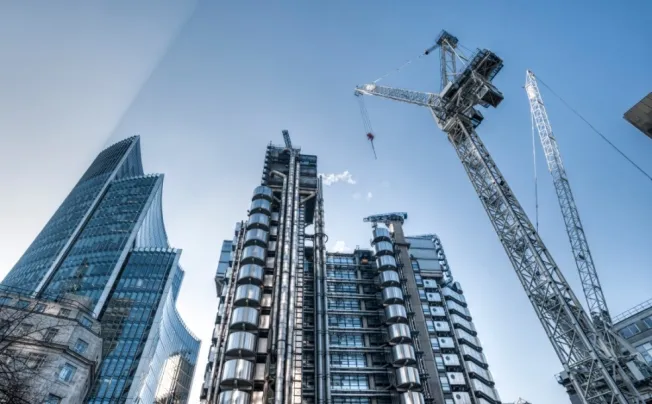
Real estate development has become one of the most powerful drivers of modern economies and a key element in shaping the future of urban life. It is no longer limited to building houses or offices but has transformed into a comprehensive process that involves planning, design, execution, innovation, and marketing. With the increasing demand for new urban communities, real estate development stands as the ultimate solution to balance individual needs, market demands, and long-term investment strategies. In this article, we will explore the meaning of real estate development, its benefits, challenges, and why it remains the best investment choice for the future.
Real estate development is the process of turning land or properties into valuable projects, whether residential, commercial, or mixed-use. It is considered the foundation of successful investment because it combines several critical factors: market research, strategic location selection, modern design, high-quality execution, and effective marketing. When all these factors come together, investors can achieve sustainable returns and ensure the long-term success of their projects.
From an economic perspective, real estate development contributes to job creation, increases property values, and stimulates related industries such as construction, finishing, and real estate marketing. Well-planned development projects also stabilize the market by addressing housing and commercial demands. For many investors, real estate development is not just an option; it is a long-term strategy to secure financial growth and create scalable projects.
Real estate development significantly enhances the value of both land and buildings. It is not just about creating new structures but also about redeveloping old or underused areas. For instance, a neglected neighborhood can be transformed into a thriving residential or commercial hub through strategic development.
The increase in value comes from several factors: infrastructure improvements, integrated services such as security and amenities, and innovative architectural designs that meet modern needs. These enhancements attract buyers and investors, leading to higher demand and increased property value.
Moreover, real estate development provides opportunities for both individuals and corporations to generate revenue through sales or rentals after redevelopment. This makes it one of the strongest wealth-building strategies available, offering consistent returns and asset appreciation.
A successful real estate development project requires careful planning and execution across multiple stages. The first step is thorough market research to understand client needs and identify market gaps. The second step is choosing the right location, as location plays a decisive role in determining a project’s success. The third step involves innovative architectural design that aligns with customer expectations and global trends.
Next comes securing reliable financing, since large-scale development often requires substantial capital. Effective project management during the construction phase ensures timely delivery and high-quality standards. Finally, strategic marketing plays a crucial role in positioning the project and attracting potential buyers or tenants.
Each step is essential to achieving success in real estate development. Missing or neglecting one phase can jeopardize the overall outcome. For this reason, experienced developers rely on professional teams to ensure every stage contributes to building a profitable and sustainable project.
Innovation and technology have revolutionized real estate development in recent years. Development is no longer limited to bricks and mortar; it now integrates advanced solutions that make projects smarter and more efficient. One example is smart home systems, allowing residents to control lighting, security, and air conditioning via mobile devices.
Technology also plays a huge role in marketing real estate. Virtual reality (VR) and augmented reality (AR) enable potential buyers to experience properties before they are built, providing more confidence in purchasing decisions. This has accelerated sales and improved client satisfaction.
Furthermore, sustainable development practices such as renewable energy and eco-friendly building materials are now central to modern real estate projects. These solutions appeal to environmentally conscious investors and ensure long-term value.
In short, innovation and technology are no longer optional in real estate development; they are vital for achieving success and staying competitive in today’s evolving market.
Residential real estate development focuses on creating housing communities that meet the needs of families and individuals, while commercial development targets business spaces such as offices, retail shops, and business hubs. The main difference lies in the type of client each serves: residential buyers seek comfort, security, and lifestyle benefits, whereas commercial clients prioritize profitability, accessibility, and functionality.
In residential projects, factors like proximity to schools, healthcare, and transportation play a vital role. On the other hand, commercial projects thrive in high-traffic areas with strong economic potential. Marketing also differs between the two: residential development campaigns highlight the lifestyle benefits, while commercial campaigns emphasize investment returns and growth opportunities.
Both types of real estate development are essential to the economy. Residential projects ensure stability for individuals and families, while commercial projects stimulate economic growth by creating job opportunities and supporting businesses. Many modern developers now integrate both types in mixed-use projects, providing a complete lifestyle and investment experience.
Investors today can benefit from real estate development in many ways. One of the most effective strategies is identifying emerging areas such as new cities or expanding urban zones where demand is steadily growing. These areas often offer lower entry costs with high future returns.
Partnering with reputable developers is another path, as it allows investors to join large-scale projects while minimizing risks. Redeveloping old or underused properties also presents attractive opportunities, as upgrades significantly increase market value.
Timing is equally critical. Entering the market early in a project’s lifecycle ensures maximum returns once the development is completed. With growing demand for sustainable and smart communities, investors who focus on projects that integrate innovation and green solutions are likely to see strong, long-term benefits.
In short, investors who align their strategies with market trends and collaborate with trusted developers can maximize their profits and secure long-term financial stability through real estate development.
Despite its growth, the real estate development sector faces several challenges. Rising construction costs, regulatory changes, and financing requirements are among the biggest obstacles developers encounter. These issues can slow down project delivery or impact profitability.
Financing is one of the most pressing challenges, as large projects demand substantial capital. Developers can overcome this by diversifying funding sources, such as banks, investment funds, and strategic partnerships. Regulatory challenges can be managed by maintaining compliance with local laws and working closely with authorities to streamline approvals.
Another challenge lies in customer expectations. Today’s buyers demand smart, sustainable, and innovative solutions. This requires developers to invest more in technology and research, which can increase initial costs. However, such investments often lead to higher demand and long-term returns.
By adopting flexible strategies, strong risk management, and a focus on innovation, developers can successfully navigate these challenges and ensure sustainable growth in the real estate development sector.
In a rapidly changing global economy, real estate development remains one of the most reliable investment options. Unlike volatile markets such as stocks or cryptocurrencies, real estate provides stability and tangible value. It allows investors to own assets that generate income through rental or resale, while also appreciating in value over time.
Governments worldwide are supporting real estate development by improving infrastructure and simplifying procedures, making it easier for both local and international investors to enter the market. Moreover, the rise of sustainable and smart communities increases demand, ensuring long-term growth potential.
For investors seeking both security and profitability, real estate development offers the perfect balance. It is not only a safe haven but also a strategic opportunity to create wealth and contribute to urban transformation. In 2025 and beyond, real estate development will continue to stand out as the best investment choice for those aiming for growth and financial stability.
To sum up, real estate development is the backbone of modern investment strategies and a key driver of economic growth. From increasing property values to creating innovative and sustainable communities, it plays a central role in shaping the future of cities and securing long-term financial success for investors.
By understanding the market, adopting innovation, and overcoming challenges, developers and investors can unlock the full potential of real estate development. With global trends moving toward sustainability and technology, this sector will remain one of the strongest and most promising opportunities for 2025 and the years ahead.
1. What does real estate development mean?
Real estate development refers to the process of improving land or property by planning, designing, constructing, and marketing projects such as residential, commercial, or mixed-use spaces.
2. Is investing in real estate development safe?
Yes, real estate development is considered one of the safest investment options. It provides tangible assets, long-term value appreciation, and consistent income through rental or resale.
3. What is the difference between residential and commercial real estate development?
Residential real estate development focuses on creating housing communities, while commercial development includes offices, retail spaces, and business hubs. Each type serves different market demands and offers unique benefits for investors.
4. What challenges do developers face in the real estate development sector?
Key challenges include rising construction costs, financing requirements, regulatory changes, and the growing demand for smart and sustainable solutions. Developers overcome these through innovation, partnerships, and effective risk management.
5. How can investors take advantage of real estate development opportunities?
Investors can benefit by entering emerging markets, partnering with experienced developers, investing in redevelopment projects, and focusing on sustainable and technology-driven communities that promise higher long-term returns.
6. Why is real estate development a top investment choice for the future?
Because it combines stability, profitability, and scalability. With global demand for housing, commercial spaces, and sustainable communities on the rise, real estate development continues to be the best long-term investment strategy.