
© 2026 بيديكس. جميع الحقوق محفوظة
العلامة التجارية بيديكس مملوكة لشركة يوروتك.
© 2026 بيديكس. جميع الحقوق محفوظة
العلامة التجارية بيديكس مملوكة لشركة يوروتك.
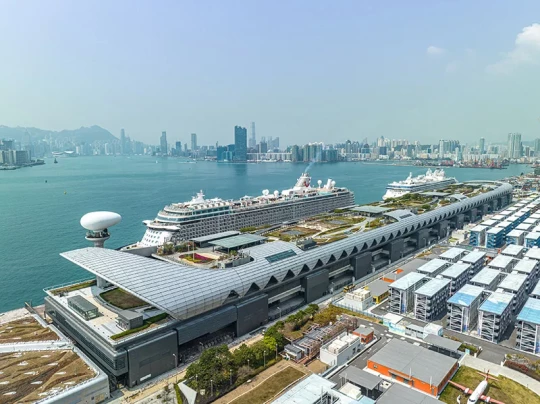
In a strategic move that reflects Hong Kong’s commitment to environmental transformation and reducing carbon emissions, the city’s tourism authorities have announced ambitious plans to implement shore power systems at the Kai Tak Cruise Terminal before the year 2030.
This initiative comes amid growing global pressure on ports to comply with International Maritime Organization (IMO) regulations aimed at reducing the carbon footprint of vessels, particularly cruise ships that remain docked for extended periods and consume large amounts of fuel while berthed.
Shore power, also known as cold ironing, is an advanced environmental solution that allows ships to shut down their engines while docked and instead draw electricity from onshore sources.
This transition contributes to:
Hong Kong’s Deputy Commissioner for Tourism, Ms. Joanne Chu, confirmed that feasibility studies have already been completed, and the next step is to identify partners to supply and install the necessary shore power equipment at the Kai Tak Cruise Terminal.
In an interview with Cruise Industry News, Chu emphasized that Hong Kong fully understands the obligations cruise lines face under IMO regulations, particularly regarding emissions reduction.
She stated:
“It’s essential that we provide the right infrastructure to help ships comply with environmental standards while docked in our port.”
Chu added that shore power would be a key part of this strategy, alongside clean fuel options such as liquefied natural gas (LNG) and green methanol.
Hong Kong’s plan goes beyond just shore power. The city is also working on developing a comprehensive system to supply cruise ships with alternative, eco-friendly fuels.
Trials have already been conducted to supply LNG to container vessels, and the city is now collaborating with cruise lines to explore similar trials for passenger ships, potentially beginning next year.
Chu explained:
“We are moving quickly, but cautiously, to ensure the highest safety standards in bunkering operations, especially in passenger environments.”
Chu noted that legislation is already in place to facilitate these operations, along with a dedicated code of practice for shipowners that outlines the procedures and standards required for using shore power or clean fuels at Hong Kong’s port.
She also acknowledged the cost concerns of cruise operators and stated that the government is working to reduce the financial burden of meeting IMO requirements, making the transition to green operations more accessible.
The shore power project in Hong Kong represents a major shift in cruise port management and offers a wide range of environmental and economic advantages.
The Kai Tak Cruise Terminal is one of Asia’s premier cruise ports, strategically located on Hong Kong’s iconic waterfront.
The new shore power project is expected to further elevate the terminal’s status as a regional leader in sustainable cruise operations.
Despite the ambitious vision, Hong Kong faces several challenges in executing this project, including:
Nevertheless, strong governmental and legislative support, along with private sector collaboration, are key factors driving the project forward and ensuring its success before the 2030 deadline.
Through this initiative, Hong Kong demonstrates a genuine commitment to environmental transformation and sustainability in the cruise tourism sector.
Providing shore power and developing clean fuel systems is not just a response to international pressure — it’s an investment in a cleaner, safer future that enhances the city’s competitiveness and positions it as a leader among smart ports in Asia and beyond.
In a world rapidly transitioning to clean energy, Hong Kong is confidently sailing toward a green future — where innovation meets sustainability at its maritime gateways.