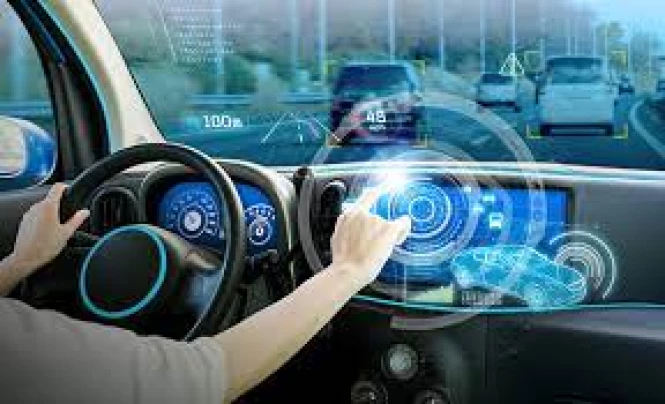
Modern safety systems are a cornerstone in the automotive industry today, with manufacturers striving to provide advanced technologies that ensure maximum protection for drivers and passengers. This is achieved by integrating smart technologies like anti-lock braking, blind spot detection sensors, and electronic stability control. Modern cars provide a safe and comfortable driving experience.
In this article, we will explore how these systems help reduce road accidents and protect lives, focusing on innovations that make a real difference in the world of driving.
Key Modern Technologies Used in Car Safety Systems
Basic Safety Systems:
- Anti-lock braking system (ABS): Prevents wheel lockup during hard braking, maintaining steering control.
- Electronic stability control (ESC): Helps maintain vehicle stability and prevent skidding during sharp turns.
- Multiple airbags: Provide collision protection, including front and side airbags.
Advanced Safety Systems:
- Forward collision warning: Alerts the driver when the vehicle is dangerously close to colliding with other vehicles or obstacles.
- Automatic emergency braking (AEB): Automatically activates brakes to avoid or mitigate impact.
- Blind spot detection: Warns the driver about vehicles in the blind spots not visible in side mirrors.
- Adaptive cruise control (ACC): Automatically adjusts speed to maintain a safe distance from the vehicle ahead.
- Traffic sign recognition: Detects and displays traffic signs for the driver.
- Lane departure warning: Alerts the driver when straying out of the lane.
- Lane keeping assist: Steers the vehicle back into the proper lane if drifting occurs.
- Night vision: Uses thermal cameras or sensors to detect pedestrians and animals in the dark.
- 360-degree surround view cameras: Provide complete visibility around the vehicle for easy parking.
Future Safety Systems:
- Vehicle-to-vehicle (V2V) communication: Allows vehicles to communicate with each other to share traffic and potential hazard information.
- Autonomous driving: Uses cameras, radars, and sensors to enable the vehicle to drive without human input.
These systems enhance car safety and greatly contribute to reducing road accidents and improving driver and passenger protection.
Most Common Technologies in Luxury Cars
- Semi-autonomous driving system: Provides comfortable driving experience with features like adaptive cruise control and lane change assist.
- Multi-information displays: Include high-resolution responsive touchscreens for entertainment and navigation.
- Premium sound systems: Such as surround sound systems from renowned brands.
- Ambient interior lighting: Allows the driver to change lighting colors according to mood.
- Heated and ventilated seats: With massage function for additional comfort.
- Adaptive suspension system: Provides ideal driving comfort based on road conditions.
- Voice and gesture recognition: For easy control of car functions.
- Advanced safety systems: Such as night vision and automated parking guide.
These technologies deliver a luxurious, comfortable driving experience with a strong focus on safety and innovation.
Impact of Modern Safety Systems on New Car Costs
- Increased base price: Adding advanced tech increases production costs and thus the final car price.
- Lower insurance costs: Advanced safety systems may lead to reduced insurance premiums due to improved safety levels.
- Maintenance and repair: Modern tech may require specialized maintenance, increasing repair costs.
- Long-term value: Cars with modern safety systems may retain value better when re-selling.
Overall, while these systems increase car prices, they provide substantial benefits in safety and future value.