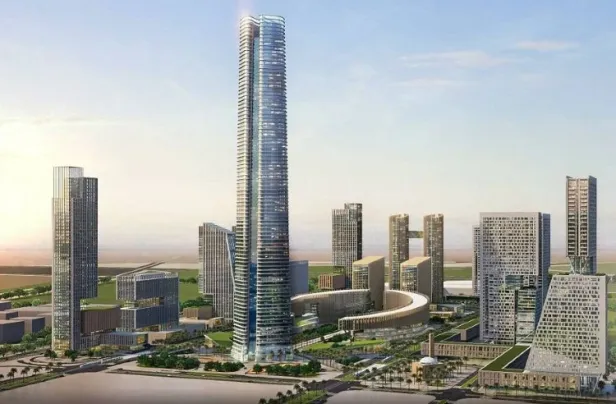
The New Administrative Capital projects are among the most prominent and significant development initiatives in Egypt and the Arab world, representing a qualitative leap in the concept of real estate investment and urban development. This ambitious project serves as a fully integrated urban hub, aiming to relocate the center of government, business, and services to a new location that meets modern-day requirements and enhances Egypt’s regional and global standing.
Introduction to the New Administrative Capital Projects
The New Administrative Capital projects are a collection of real estate and developmental initiatives established in the New Administrative Capital, located approximately 45 kilometers east of Cairo. This capital has been designed to be smart, sustainable, and environmentally friendly, combining cutting-edge technology with modern architectural design to provide an integrated living and working environment for residents and investors.
The Importance of Real Estate Projects in the New Administrative Capital
The New Administrative Capital serves as a unique platform for attracting both local and foreign investments, offering vast opportunities across various real estate sectors, such as:
- Luxury residential compounds: catering to different social classes with varied price ranges.
- Commercial and office zones: hosting international business centers and major companies.
- Governmental and administrative districts: housing ministries and government agencies.
- Touristic and entertainment areas: offering a fully integrated lifestyle for residents and visitors.
Advantages of Investing in New Administrative Capital Projects
- Smart urban planning: The city adopts advanced technologies, making it a smart city with integrated management systems that ensure the highest levels of comfort and safety.
- Strategic location: Situated near Cairo International Airport and the main road network, the city is easily accessible from all parts of Egypt.
- Advanced infrastructure: Includes a fully developed network of water, electricity, telecommunications, roads, and green spaces.
- Diverse property options: The project offers a wide variety of residential, commercial, and administrative properties to meet all needs.
- High return on investment: With the city’s anticipated rapid growth, property values are rising quickly, making it an attractive investment opportunity.
Prominent Residential Areas and Projects in the New Administrative Capital
The capital features numerous residential projects designed to meet different tastes and budgets, including:
- The One Thousand Acres City: Offers housing units along with service and commercial activities.
- Embassy District: Hosts embassies and the international community, ensuring privacy and security for residents.
- The Government District: Combines government offices with hospitality and service facilities.
Investment Opportunities for Investors in the New Administrative Capital
The city’s real estate projects open broad horizons for investors, including:
- Investing in diverse residential properties.
- Developing business centers and commercial complexes.
- Establishing hotels, resorts, and hospitality services.
- Investing in infrastructure and supporting services.
Impact of the New Administrative Capital Projects on Egypt’s Real Estate Market
The New Administrative Capital has revitalized Egypt’s real estate market, with a noticeable increase in property demand and development. This has led to higher property prices and the creation of new job opportunities. Additionally, the projects have helped relocate a significant portion of the population and economic activities from Cairo to a new location, reducing pressure on the capital and promoting sustainable development.
Challenges Facing the New Administrative Capital Projects
Despite the enormous potential these projects offer, several challenges must be addressed to ensure their success, including:
- High construction and development costs: Rising prices of raw materials and supplies increase the overall project cost.
- Infrastructure and service requirements: The need to provide integrated and sustainable services such as electricity, water, sanitation, and telecommunications.
- Attracting residents and investors: Despite its advantages, the project requires an effective strategy to encourage relocation from old Cairo to the new capital.
- Coordination between public and private sectors: Success depends on full cooperation between ministries, agencies, and companies to complete projects on time.
- Environmental challenges and biodiversity conservation: Development must be managed in a way that protects natural resources and the environment.
The Government’s Role in Supporting the New Administrative Capital Projects
The Egyptian government plays a pivotal role in driving the development of the New Administrative Capital projects by:
- Offering investment and tax incentives to encourage developers and investors.
- Continuously upgrading infrastructure to meet the growing demand for services.
- Launching international promotional campaigns to attract foreign investments.
- Establishing clear real estate laws and regulations to protect the rights of investors and buyers.
- Closely monitoring the projects to ensure quality, timely delivery, and sustainable development.
How Can Investors and Companies Benefit from the New Administrative Capital Projects?
For Real Estate Investors:
- Diversifying investment portfolios in a promising, high-return area.
- Opportunities to develop residential and commercial projects that meet modern market needs.
- Leveraging high demand for new properties to boost sales or rental opportunities.
- Partnering with government entities in various development ventures.
For Companies and Developers:
- Engaging in large-scale, multi-sector projects that create jobs and consulting opportunities.
- Benefiting from government facilitation in licensing and construction processes.
- Innovating in smart technology and sustainable building in line with the smart city vision.
- Accessing a vast market of residents, businesses, and public institutions.
The Future of the New Administrative Capital Projects
As the New Administrative Capital continues to evolve, it is expected to attract more local and foreign investments, fueling economic growth and creating new jobs. Designed as a model for smart, sustainable cities, it will serve as a future hub in the region. Expanding public services, enhancing infrastructure, and boosting commercial and entertainment sectors will significantly improve quality of life. The project also presents Egypt with a strategic opportunity to strengthen its economic and regional position.
Innovation and Technology in the New Administrative Capital
- Digital infrastructure: High-speed communication systems and wide wireless internet coverage for residents and businesses.
- Smart city systems: Intelligent monitoring of energy, traffic, security, and waste to improve quality of life and reduce costs.
- Sustainable buildings: Green building standards focusing on energy efficiency and eco-friendly materials.
Role of Civil Society and Community Participation
- Regular workshops and surveys to collect feedback from residents and investors.
- Community development initiatives such as parks and cultural centers to foster social ties.
- Awareness programs on environmental preservation and smart living practices.
Economic Impact on the National Economy
- Job creation in construction, management, services, and technology.
- Increased foreign investment through attracting capital and international companies.
- Improved business environment with modern infrastructure.
- Balanced urban development, easing pressure on Cairo and improving living conditions.
Key Tips for Investors
- Study the market thoroughly and understand demand trends.
- Choose the right location based on the district and investment purpose.
- Work with reputable developers to ensure quality and timely delivery.
- Monitor future city plans to leverage upcoming growth areas.
- Ensure all permits and contracts are legally sound to protect investments.
The New Administrative Capital is not just a new city—it’s a forward-looking vision for sustainable development, economic growth, and enhanced living standards in Egypt. With proper planning and ongoing government support, it stands as one of the most promising investment opportunities in the region. Investing here means investing in the future, full of opportunities and challenges that can be transformed into remarkable success.
Frequently Asked Questions
- What are the New Administrative Capital projects?
Large-scale urban and real estate developments aimed at creating a modern, integrated city east of Cairo, offering advanced residential, commercial, and administrative features. - Why is investing here a unique opportunity?
Due to smart planning, strategic location, diverse projects, and advanced infrastructure, the capital is among the most promising high-return real estate markets in Egypt. - What types of properties are available?
Luxury homes, apartments, villas, office spaces, administrative complexes, and entertainment and retail areas. - Are there government incentives for investors?
Yes, including tax reductions, streamlined licensing, and advanced infrastructure to attract and support investment. - What are the most notable residential districts?
The One Thousand Acres City, Embassy District, and Government District—each with full services and facilities. - How can investors protect their rights?
Work with reputable developers, verify all legal permits and contracts, and review the city’s future development plans. - What role does technology play?
The capital relies on smart city technologies for energy, security, transportation, and digital services. - Is it suitable for families?
Yes—offering schools, hospitals, green spaces, and entertainment facilities for a complete family lifestyle. - What challenges exist?
High construction costs, attracting residents, coordination among stakeholders, and environmental sustainability. - How does it impact Egypt’s real estate market?
It stimulates the market, gradually raises prices, creates investment opportunities, and reduces urban pressure on Cairo.