
© 2026 بيديكس. جميع الحقوق محفوظة
العلامة التجارية بيديكس مملوكة لشركة يوروتك.
© 2026 بيديكس. جميع الحقوق محفوظة
العلامة التجارية بيديكس مملوكة لشركة يوروتك.
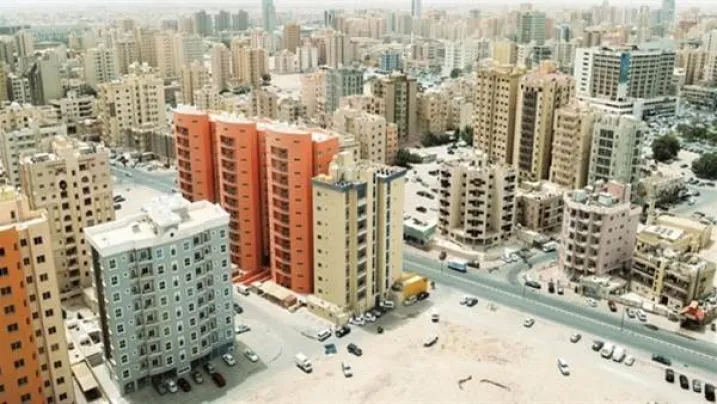
Egypt's real estate market is experiencing rapid dynamism and profound structural changes, making it a focal point for investors and buyers alike. Purchasing property is no longer just a traditional transaction; it's become a long-term investment in a complete lifestyle. Amidst ongoing economic and social developments, several questions arise about the future of this vital sector: Is real estate still a safe haven for investment? And what are the main opportunities and challenges it faces?
Real estate opportunities in Egypt are spread across vast geographical areas, with each region boasting unique characteristics that attract specific segments of investors. The New Administrative Capital (NAC), for instance, represents a qualitative leap in urban planning, emerging as a promising administrative, financial, and technological hub. Its massive projects, including residential towers, administrative buildings, and commercial spaces, offer tremendous investment opportunities for those seeking quick returns and a promising future. The NAC's appeal isn't limited to its modern infrastructure; it extends to a comprehensive vision for future cities, with a strong focus on smart and sustainable urban development.
Coastal cities like the North Coast and Ain Sokhna are attractive destinations for recreational property investment. These areas are seeing increasing demand for holiday units and luxury villas, driven by growing domestic and international tourism, and developing infrastructure that facilitates accessibility. Investing in these regions not only offers enjoyment but also represents a smart investment due to their continuously rising market values, especially with the emergence of new projects offering integrated services and facilities.
New Cairo and Fifth Settlement continue to hold a prominent position as one of the most important centers for residential and commercial real estate investment. These areas are characterized by excellent urban planning, upscale residential communities, and the availability of essential and recreational services and facilities. Continuous demand for residential units in these areas ensures value stability and increasing returns on investment over time. Ongoing infrastructure development, such as new roads and bridges, further improves accessibility, making them more appealing to residents and investors.
Additionally, areas like 6th of October City and Sheikh Zayed are experiencing significant growth in residential and commercial properties, thanks to universities, international schools, and major commercial centers. These areas attract families and young people alike, creating continuous demand for various types of residential units. The urban expansion in these areas also provides new opportunities for developers and investors in the long term.
Real estate prices in Egypt are influenced by a complex set of economic, political, and social factors. The local currency's exchange rate against foreign currencies plays a crucial role, as fluctuations in the Egyptian Pound directly impact the cost of imported building materials, and consequently, the final unit prices. Inflation rates also affect purchasing power and the cost of real estate financing, which in turn influences buying and investment decisions.
Government policies have a significant impact on the real estate market. Decisions related to construction permits, planning of new cities, and land provision for developers all determine the market's trajectory. Government support for social and middle-income housing projects contributes to market activity and provides diverse options for buyers. Furthermore, the shift towards smart and sustainable cities enhances the value of properties developed according to these standards.
Supply and demand are the fundamental forces governing any market. The steady population growth in Egypt and increasing urbanization create continuous demand for residential units. Conversely, supply is affected by the number of new projects launched in the market and the ability to secure necessary construction financing. The balance between supply and demand is key to price stability.
Interest rates on real estate loans directly impact individuals' ability to purchase. Higher interest rates make financing more expensive, which may reduce demand, while lower rates stimulate purchases and increase the attractiveness of real estate investment. The ease of obtaining real estate financing and flexible repayment terms play a pivotal role in boosting market activity.
Infrastructure surrounding a property significantly increases its value. The availability of a developed road network, modern public transportation, and service facilities such as schools, hospitals, and commercial centers are all factors that make a property more attractive to buyers. Good urban planning for new cities ensures the availability of these services, enhancing the value of properties there in the long term.
Digital technology is increasingly shaping the future of the Egyptian real estate market. Virtual Reality (VR) and Augmented Reality (AR) allow potential buyers to tour properties from anywhere in the world, providing an immersive experience and reducing the need for multiple physical visits. These technologies facilitate decision-making and expand reach to international buyers.
Online real estate platforms have become essential tools for searching, selling, and leasing properties. These platforms provide vast databases of properties and allow buyers and renters to filter searches according to their specific needs. They also offer analytical tools for developers and agents to understand market trends and offer more targeted listings.
Artificial Intelligence (AI) and Big Data analytics contribute to predicting market trends, analyzing consumer behavior, and providing personalized recommendations. AI can process vast amounts of data to identify the best areas for investment, accurately estimate property prices, and even predict their future value. This helps investors make more informed decisions.
Blockchain technology has the potential to revolutionize property registration and documentation. Blockchain can ensure transparency, reduce fraud, and accelerate property transfer processes, making transactions safer and more efficient. While still in its early stages in the Egyptian market, its potential is promising.
Sustainable real estate development and smart cities are key axes for future development. Integrating green technologies, such as solar panels and water recycling systems, into property design and construction reduces operational costs and attracts environmentally conscious consumers. Smart cities, which rely on the Internet of Things (IoT) to manage infrastructure and services, provide a more efficient and comfortable living environment.
Despite promising opportunities, investors in the Egyptian real estate market face several challenges. Inflation and rising financing costs can negatively impact expected profit margins. Fluctuations in exchange rates add an element of uncertainty, especially for foreign investors. The ability to predict the macroeconomic environment remains a challenge in a rapidly changing landscape.
The regulatory environment and real estate legislation can sometimes be complex, requiring a deep understanding of local laws and bureaucratic procedures. Obtaining licenses and approvals can take time and effort, affecting project timelines. Transparency in some aspects may need further improvements to encourage foreign direct investment.
Intense market competition is another challenge, as many new developers and investors enter the sector. This requires investors to differentiate themselves by offering innovative products, value-added services, and effective marketing strategies. The ability to adapt to changes in consumer preferences and provide solutions that meet their evolving needs is crucial.
Changes in consumer preferences, such as the increasing interest in smart and sustainable homes, require developers to rethink their designs and building materials. The demand for integrated communities that offer all services and facilities in one place is growing, posing a challenge for developers to meet these expectations.
Infrastructure in some areas may not be up to par, affecting investment attractiveness. Investment in infrastructure surrounding properties is a crucial factor in increasing their value. However, the government is making significant efforts in this regard through massive projects to improve the road network and facilities.
Despite the challenges, investing in Egyptian real estate remains a safe and profitable long-term option, especially with continuous population growth, urban expansion, and government efforts to support the sector. Real estate is often a hedge against inflation, as its value tends to rise with general price increases.
The relative political and economic stability in recent years has boosted confidence in the real estate market. Major national projects, such as the New Administrative Capital and fourth-generation cities, reflect an ambitious vision for Egypt's future and offer unprecedented investment opportunities. These projects attract significant investments and provide a conducive environment for real estate growth.
The diversity of investment options, from residential and commercial to administrative and coastal properties, provides investors with great flexibility in choosing what suits their objectives. Whether the goal is to generate rental income, capital gains from resale, or even owning property for personal use, the Egyptian market offers multiple choices.
Continuous demand for housing, especially in major cities and new areas, ensures that there is always a market for real estate. Population growth and urbanization ceaselessly drive demand for residential units. This ensures that properties will remain valuable and easily liquid when needed.
Ultimately, successful investment in Egyptian real estate requires careful market study, an understanding of influencing factors, and smart location choices. With proper planning and a strategic approach, investors can achieve rewarding returns and contribute to the country's economic growth.
Can foreigners own property in Egypt? Yes, foreigners can own property in Egypt with some restrictions on the type of property and the number of properties that can be owned in certain areas. It's always advisable to consult a specialized real estate lawyer to ensure compliance with all laws and regulations.
What is the best way to finance a property purchase in Egypt? Several options are available to finance property purchases in Egypt, including real estate loans from commercial banks that offer various terms and repayment plans. Some government-supported financing programs are also available to assist different segments.
What are the expected additional fees when buying property in Egypt? In addition to the property price, you should expect to pay registration fees, real estate disposition tax, real estate agent fees (if any), and annual maintenance fees for residential compounds. These fees vary depending on the type and value of the property.
How does the exchange rate affect property value? Exchange rate fluctuations can affect property values in several ways. If the local currency depreciates, the cost of imported building materials increases, which may lead to higher property prices. It can also impact the property's attractiveness to foreign investors.
Is there a difference between buying property in the New Administrative Capital and New Cairo? Yes, there are fundamental differences. The New Administrative Capital is an entirely new project focusing on smart cities and modern infrastructure, geared towards the future. New Cairo is a relatively mature area characterized by stability and diversity in properties and services. Both offer investment opportunities, but with different objectives and returns.