
© 2026 بيديكس. جميع الحقوق محفوظة
العلامة التجارية بيديكس مملوكة لشركة يوروتك.
© 2026 بيديكس. جميع الحقوق محفوظة
العلامة التجارية بيديكس مملوكة لشركة يوروتك.
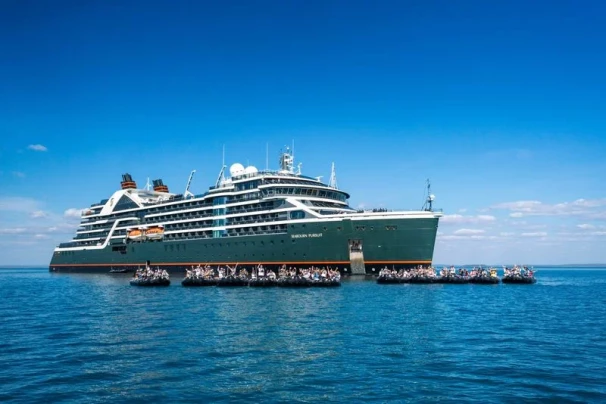
In the world of cruising, expedition voyages are among the most thrilling and challenging experiences, combining untamed nature, environmental sustainability, and luxurious comfort.
In this context, Seabourn President Mark Tamis shared the company’s philosophy and approach to delivering balanced expedition experiences, describing it as “a juggling act” between adventure, luxury, and sustainability.
In his recent interview with Cruise Industry News, Tamis shed light on the complexities of expedition cruising and how Seabourn delivers authentic and impactful experiences without compromising service quality or environmental responsibility.
Tamis believes that offering a luxury expedition experience requires a delicate balance between seemingly opposing elements: adventure, sustainability, and comfort. He stated:
“When you think about adventure, expedition, and sustainability, you have to make choices. But at Seabourn, we try to balance everything so that we can deliver this luxury cruise vacation in these beautiful expedition environments, using technology to do it in a sustainable way.”
Seabourn operates two state-of-the-art expedition ships:
Each ship accommodates just 264 guests, enhancing the exclusive and intimate nature of the voyages. Through these vessels, the company aims to offer truly immersive expedition experiences—like the nature documentaries we grew up watching, but made accessible to everyone, regardless of age or physical ability.
Tamis emphasized that Seabourn’s expedition cruises allow guests to get up close to rare wildlife and stunning landscapes, such as Antarctica, through Zodiac boat excursions.
He said:
“You can be in a small Zodiac, incredibly close to penguins or whales, having experiences you can’t describe unless you’ve seen them yourself. Then you return to the ship for a gourmet dinner, fine wine, and share stories with your family.”
These moments, as Tamis described, have a “transformative power” that brings guests closer together and creates lasting memories.
One of the most unique aspects of Seabourn’s expedition cruises is the way social bonds form among guests. According to Tamis, guests typically dine in pairs or small groups on the first night, but by day two or three, they’re gathering in larger groups of six, eight, or even twelve—brought together by shared experiences.
Despite the remote nature of Seabourn’s destinations, such as the polar regions, the company provides high-quality internet access via Starlink.
Tamis explained that during a recent voyage to Antarctica aboard the Seabourn Venture, he was able to stay connected 24/7, giving guests the flexibility to remain online—or unplug—according to their preferences.
Seabourn has seen a shift in the types of travelers choosing expedition cruises. Once dominated by younger adventurers, these voyages now attract multigenerational families, including grandparents and grandchildren, reflecting the broad appeal of the experience.
A key differentiator for Seabourn is its commitment to meaningful engagement with local communities in the regions it visits.
In 2024, the company launched expedition itineraries in Australia’s Kimberley Region and established a long-term partnership with the Wunambal Gaambera people.
This partnership includes:
Tamis emphasized that these efforts are not one-time donations but part of a long-term commitment that positions Seabourn as a goodwill ambassador for the cruise industry.
Seabourn is one of the ultra-luxury cruise brands under Carnival Corporation, known for offering exclusive voyages to some of the world’s most remote and pristine destinations.
Seabourn combines classic elegance with a spirit of exploration, making it the ideal choice for discerning travelers looking to discover the world without sacrificing comfort.
Seabourn’s expedition cruises are more than just nature adventures—they are holistic experiences that blend natural beauty, luxury, and human connection.
Through a careful balance of sustainability and indulgence, and a deep respect for local cultures, Seabourn is redefining what it means to explore the world by sea.
It’s not just a journey—it’s a transformation in how we see life.