
© 2026 بيديكس. جميع الحقوق محفوظة
العلامة التجارية بيديكس مملوكة لشركة يوروتك.
© 2026 بيديكس. جميع الحقوق محفوظة
العلامة التجارية بيديكس مملوكة لشركة يوروتك.
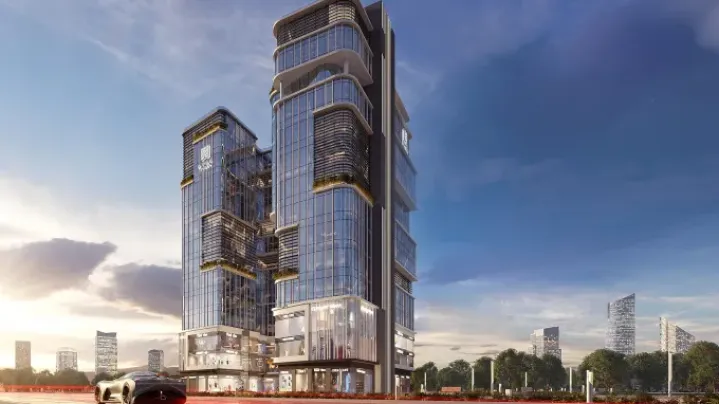
The impact of new projects on rental prices has become a central topic in today’s real estate market. As cities expand and developers introduce modern residential and commercial projects, the rental landscape is constantly reshaped. New projects bring more than just additional units; they introduce better infrastructure, advanced facilities, and lifestyle improvements that influence both supply and demand dynamics. While some projects drive rental prices upward due to higher demand, others increase supply significantly and create a stabilizing effect. Understanding this balance is crucial for investors, landlords, and tenants who want to make informed decisions. By examining how new projects affect urban hubs, residential versus commercial markets, price fluctuations, and investor attraction, we can gain a clearer perspective of real estate trends and their long-term impact on the rental sector.
In major cities, the impact of new projects on rental prices is both immediate and noticeable. Urban centers like Cairo, Dubai, or Istanbul demonstrate how new developments can transform entire districts.
The impact of new projects on rental prices differs significantly between residential and commercial markets. Residential developments often create a gradual influence on rental values, as families and individuals shift toward modern communities with better services. Commercial projects, however, tend to have a faster and more intense effect.
A critical question regarding the impact of new projects on rental prices is whether they push rents up or down. The answer is situational and depends on market conditions:
Another vital dimension of the impact of new projects on rental prices is how it attracts investors. New projects often serve as magnets for real estate investors who anticipate rental growth and capital appreciation.
One of the strongest drivers of the impact of new projects on rental prices is the improvement in infrastructure and lifestyle that accompanies them. When developers launch new communities, they rarely focus only on housing units. Instead, they include schools, hospitals, gyms, shopping centers, and recreational facilities. These additions increase the attractiveness of the neighborhood, driving higher rental demand.
The impact of new projects on rental prices is also shaped by changing tenant behavior. Tenants today prioritize convenience, technology, and security.
Government policies play a crucial role in magnifying the impact of new projects on rental prices.
The long-term impact of new projects on rental prices is generally positive, though it varies across regions and property types.
The impact of new projects on rental prices is a multifaceted phenomenon shaped by supply-demand dynamics, infrastructure development, tenant preferences, government policies, and long-term market cycles. While some projects temporarily stabilize or even lower rents due to oversupply, the general trend points toward rental growth, especially in prime locations with strong amenities. For tenants, these projects mean better living standards and more options. For landlords and investors, they represent opportunities to secure higher returns and long-term value appreciation. Ultimately, understanding the real estate cycle and how new projects influence rental markets is the key to making informed, strategic decisions in an ever-changing property landscape.
1. How do new projects affect rental prices in urban areas?
New projects in cities often raise rental prices due to higher demand and improved infrastructure, though oversupply may sometimes stabilize rates.
2. Do residential and commercial projects influence rents differently?
Yes. Residential projects tend to impact rental prices gradually, while commercial developments like malls or office towers can cause immediate rental increases.
3. Can new projects ever lower rental prices?
In cases of oversupply, especially when too many units are introduced at once, rental prices may temporarily decline before demand balances the market.
4. What role do government policies play in rental price changes?
Policies such as rent control, tax incentives, or foreign investment laws can either stabilize or drive up rental prices depending on the market context.
5. Why are tenants willing to pay higher rents in new projects?
Tenants often pay more for modern amenities, smart technology, security, and lifestyle facilities that older properties may not offer.
6. Are new projects a good investment for landlords?
Yes. While short-term rental price fluctuations may occur, new projects typically generate long-term rental growth and higher property values.