2027 Hyundai Tucson Takes a Bold New Direction
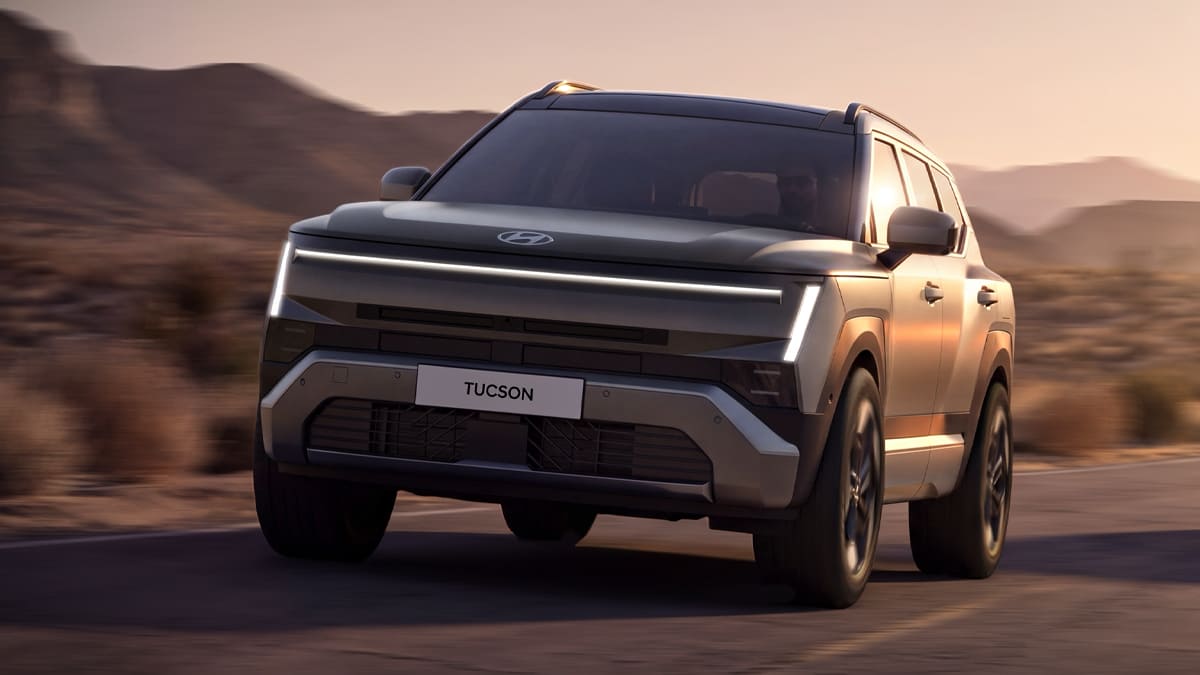
Hyundai has unveiled the all-new 2027 Tucson, introducing a major redesign for one of its most important compact SUV models. The new Tucson arrives with a much bolder and more squared-off exterior, increased dimensions, a redesigned cabin, upgraded infotainment technology and an updated hybrid powertrain aimed at delivering stronger performance and improved efficiency.
The latest generation represents a significant departure from the softer styling of the outgoing model. Hyundai has focused on giving the Tucson a stronger road presence while improving interior space, technology and everyday practicality.
The result is a compact SUV that aims to compete more aggressively in one of the industry's most crowded segments.
A Dramatically Different Exterior
The most noticeable change to the 2027 Hyundai Tucson is its exterior design.
Hyundai has moved away from the smoother lines of the previous generation and adopted a more upright, boxier appearance. The new design follows the company's latest styling direction, combining sharper surfaces with a more rugged SUV profile.
The front end receives a completely revised appearance, while distinctive lighting elements help give the Tucson a recognizable identity. Full-width lighting details at the front and rear further emphasize the vehicle's wider stance and modern character.
The new Tucson is also larger than its predecessor. In the U.S.-market version, the vehicle grows by approximately 2.6 inches in length and 1.5 inches in width, while its height increases by roughly three-quarters of an inch. The additional dimensions translate into more passenger room and greater cargo flexibility.
The larger body also contributes to improved rear-seat space, making the new Tucson more practical for families and long-distance travel.
A More Advanced Interior
Hyundai has completely reworked the Tucson's interior, placing greater emphasis on digital technology without abandoning physical controls for essential functions.
A 12.9-inch center touchscreen is available as part of the new cabin layout, while higher-end configurations can feature a much larger 17-inch display. The infotainment system is based on Hyundai's new Pleos Connect platform and incorporates AI-assisted voice functionality designed to provide more natural interaction with the vehicle.
Unlike some competitors that have moved almost every function onto a touchscreen, Hyundai has retained physical controls for important functions such as audio and climate settings.
The gear selector has also been moved to the steering column, creating additional storage and usable space in the center console.
Depending on the trim level, the Tucson can also be equipped with premium comfort features including Ergo Motion massaging front seats, three-zone climate control and dual wireless smartphone charging. These additions move the model closer to the equipment levels traditionally associated with more expensive SUVs.
Turbocharged and Hybrid Powertrains
The 2027 Tucson lineup is built around a turbocharged 1.6-liter four-cylinder gasoline engine, with different powertrain configurations depending on the market and trim.
The hybrid version combines the turbocharged gasoline engine with electric motors to produce a total output of 233 horsepower. Hyundai is also targeting fuel economy of up to approximately 42 mpg for certain front-wheel-drive configurations in the U.S. market.
The hybrid system uses a six-speed automatic transmission, while different drivetrain configurations will be offered depending on the market.
Hyundai has also increased the practical capability of the hybrid Tucson. All-wheel-drive versions can tow up to 3,000 pounds, representing a significant increase over the previous model and strengthening the vehicle's position as a versatile family SUV.
The stronger focus on electrification also reflects the changing competitive landscape, as hybrid SUVs continue to gain popularity among buyers looking for lower fuel consumption without giving up the convenience of a conventional powertrain.
New XRT Pro Targets Off-Road Buyers
One of the most interesting additions to the 2027 Tucson lineup is the new XRT Pro trim.
The model takes the previous rugged XRT concept further by adding features designed specifically for drivers who want greater capability away from paved roads.
The XRT Pro receives increased ground clearance, all-terrain tires and additional underbody protection. It also features a more aggressive exterior design intended to distinguish it from conventional Tucson models.
Hyundai's decision to expand the off-road-oriented Tucson lineup reflects a broader trend across the SUV market. Buyers increasingly expect compact crossovers to deliver more than urban practicality, with many seeking vehicles that can also handle outdoor adventures and rougher terrain.
More Technology and Driver Assistance
Technology plays a central role in the redesigned Tucson.
Hyundai has introduced a wider range of driver-assistance and safety technologies, while also improving the vehicle's digital interface. The new model incorporates advanced systems designed to make maneuvering and reversing easier, alongside additional assistance features intended to reduce driver workload.
The integration of AI-based voice technology also allows drivers to interact with the vehicle more naturally, reducing the need to navigate multiple menus while driving.
Together, these technologies are intended to make the Tucson more convenient in everyday use while keeping pace with increasingly sophisticated competitors in the compact SUV segment.
Global Launch Strategy
The 2027 Hyundai Tucson is expected to reach global markets progressively during 2027. Hyundai has indicated that the new model will launch first in Korea before expanding into international markets, although specifications and powertrain availability will vary between regions.
Pricing has not been finalized across all markets, and Hyundai is expected to reveal additional trim and equipment details closer to the vehicle's market launch.
This staggered launch strategy will allow Hyundai to adapt the Tucson's specifications to the requirements of different markets, particularly where consumer demand for gasoline, hybrid and plug-in hybrid vehicles varies significantly.
A Stronger Competitor in the Compact SUV Market
The redesigned Tucson enters a highly competitive segment that includes major rivals such as the Toyota RAV4 and Honda CR-V.
Hyundai is attempting to differentiate its new model through a combination of bold styling, improved interior space, advanced infotainment technology, hybrid performance and a more capable off-road variant.
The new design is particularly important because compact SUVs have become increasingly difficult to distinguish from one another. By adopting a more upright and distinctive appearance, Hyundai is giving the Tucson a stronger visual identity.
At the same time, the larger cabin and increased cargo capacity should improve the vehicle's appeal to family buyers who prioritize practicality.
The 2027 Hyundai Tucson represents a major transformation rather than a conventional facelift. Hyundai has redesigned the SUV from the ground up with a more aggressive exterior, increased dimensions, a technology-focused interior and an updated hybrid powertrain producing up to 233 horsepower.
The addition of the XRT Pro trim also broadens the Tucson's appeal by bringing stronger off-road capability to the lineup.
As the new Tucson begins its global rollout in 2027, its combination of design, technology, efficiency and practicality could make it one of Hyundai's most important players in the highly competitive compact SUV market.
The key question now will be how the new Tucson's pricing, specifications and equipment packages translate across individual markets. Those factors will ultimately determine whether Hyundai's latest SUV can turn its extensive redesign into a stronger competitive advantage.