Are Electric Cars Cheaper Than Gasoline Cars in Egypt? A Comprehensive Financial Comparison for 2026
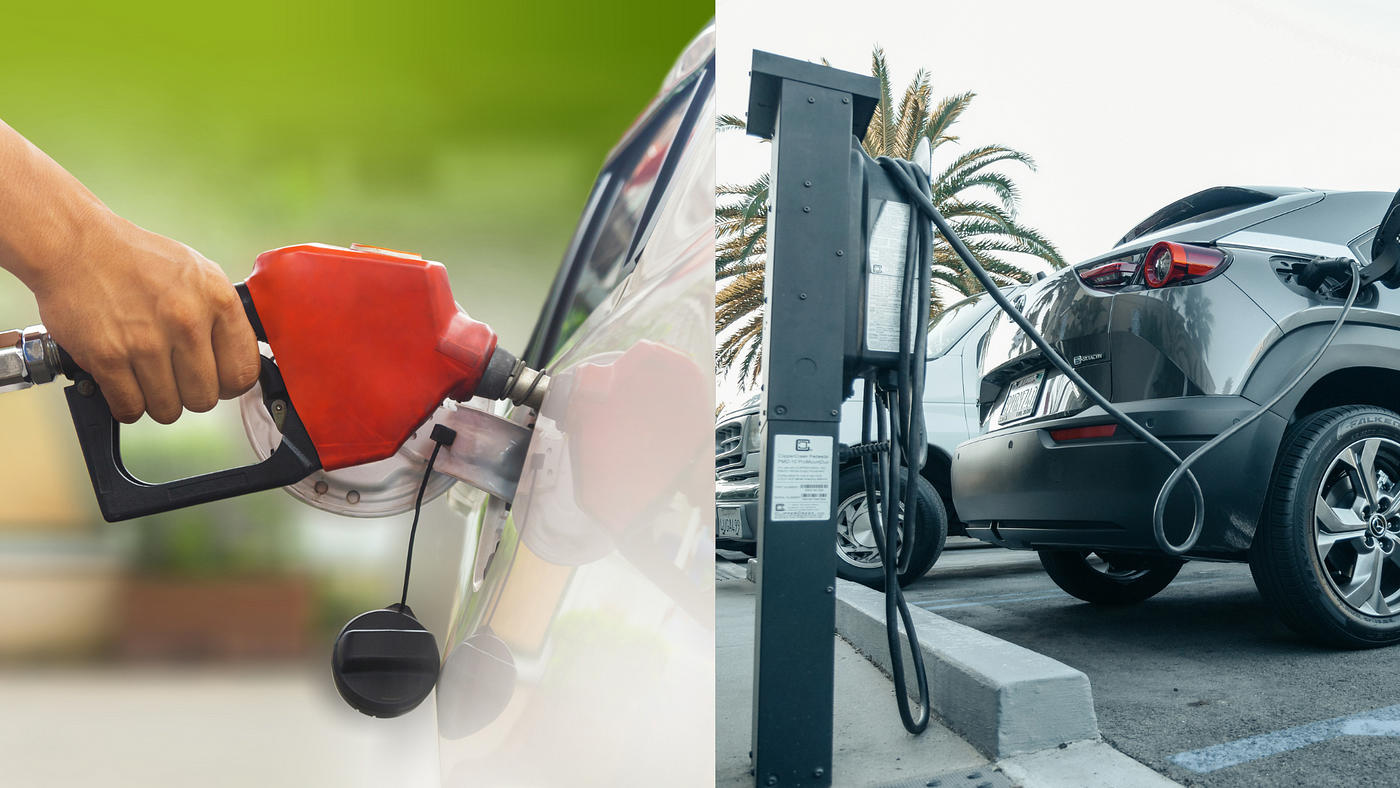
Choosing between electric vehicles and their gasoline-powered counterparts has become one of the most important issues facing consumers in the Egyptian market during 2026, particularly with rising fuel prices and the increasing number of electric models available locally. This has encouraged prospective car buyers to search for the more economical option in the long term, moving beyond traditional comparisons based solely on purchase prices.
A financial comparison between the two vehicle types reveals a clear difference in the cost of energy required to operate them. Electric vehicles offer the potential to reduce daily expenses, particularly when relying on home charging, while the operating costs of conventional vehicles increase with driving distances and fuel consumption.
However, determining which vehicle is more economical requires calculating several factors, including the purchase price, fuel or electricity costs, regular maintenance, insurance, and resale value, in addition to the cost of installing a home charger when necessary.
According to energy prices announced in October 2026, 92-octane gasoline costs approximately EGP 22.25 per liter, compared with EGP 24 for 95-octane gasoline. Meanwhile, electricity prices at Infinity EV charging stations reach EGP 3.97 per kilowatt-hour for slow charging and EGP 7.67 for fast charging.
Calculations show that an electric vehicle consuming 15 kilowatt-hours per 100 kilometers requires energy costing EGP 59.55 when using slow charging, compared with EGP 115.05 for fast charging. Meanwhile, a gasoline-powered vehicle consuming 7 liters per 100 kilometers requires fuel costing EGP 155.75 when using 92-octane gasoline.
Gasoline and Electricity Prices Determine Operating Costs
Energy prices represent the fundamental element in comparing electric and conventional vehicles because of their direct impact on the daily and monthly expenses incurred by vehicle owners.
According to prices announced in the Egyptian market during October 2026, 80-octane gasoline costs approximately EGP 20.75 per liter, while 92-octane gasoline costs EGP 22.25 and 95-octane gasoline reaches EGP 24.
The operating costs of gasoline-powered vehicles vary depending on the type of fuel recommended by the manufacturer, in addition to actual average consumption per 100 kilometers.
Electric vehicles, meanwhile, rely on energy stored in batteries, with operating costs varying according to electricity prices and the type of charger used.
Prices announced by Infinity EV in April 2026 indicate that electricity costs approximately EGP 3.97 per kilowatt-hour for slow AC charging, compared with EGP 7.67 for fast DC charging.
Home charging, meanwhile, is subject to the applicable residential electricity consumption brackets, with published prices ranging from EGP 0.68 to EGP 2.89 per kilowatt-hour, depending on total consumption and the billing system.
This means that the cost of operating an electric vehicle can vary significantly between an owner who relies on home charging and another who regularly uses fast charging stations.
Cost of Driving 100 Kilometers in an Electric Vehicle
The operating cost of an electric vehicle can be calculated by multiplying its average electricity consumption per 100 kilometers by the price per kilowatt-hour.
For comparison purposes, an electric vehicle can be assumed to consume 15 kilowatt-hours per 100 kilometers. This is an illustrative consumption rate that may vary according to the model, weight, powertrain efficiency, and driving conditions.
When using slow charging at EGP 3.97 per kilowatt-hour, the cost of energy required to travel 100 kilometers reaches approximately EGP 59.55.
When using fast charging at EGP 7.67 per kilowatt-hour, the cost increases to approximately EGP 115.05.
For home charging, assuming electricity is billed at EGP 2.18 per kilowatt-hour, the theoretical cost reaches approximately EGP 32.7 per 100 kilometers.
These results demonstrate the differences between charging methods, as the cost of using fast charging stations increases considerably compared with home charging.
The calculations above exclude energy losses during charging and any potential additional fees. The residential electricity price used is also a calculation assumption rather than a uniform tariff applicable to all households.
Cost of Driving 100 Kilometers in a Gasoline-Powered Vehicle
The operating cost of conventional vehicles depends on fuel consumption and the price per liter, with differences between small cars, midsize vehicles, and sport utility vehicles.
For a financial comparison, a gasoline-powered vehicle can be assumed to consume 7 liters per 100 kilometers, an illustrative rate that varies from one vehicle to another.
At a price of EGP 22.25 per liter for 92-octane gasoline, the fuel required to travel 100 kilometers costs approximately EGP 155.75.
If the vehicle uses 95-octane gasoline at EGP 24 per liter, the cost increases to EGP 168 per 100 kilometers.
For a more fuel-efficient vehicle consuming 6 liters per 100 kilometers, the cost reaches EGP 133.5 using 92-octane gasoline, compared with EGP 144 using 95-octane gasoline.
Meanwhile, the cost of a vehicle consuming 8 liters per 100 kilometers increases to EGP 178 when using 92-octane gasoline and EGP 192 when using 95-octane gasoline.
These differences demonstrate that fuel consumption is an important factor in determining the potential savings from switching to an electric vehicle.
Direct Comparison Between Electricity and Gasoline
When comparing an electric vehicle consuming 15 kilowatt-hours per 100 kilometers with a gasoline-powered vehicle consuming 7 liters over the same distance, clear differences in energy costs emerge.
With home charging at an assumed rate of EGP 2.18 per kilowatt-hour, the electric vehicle costs EGP 32.7 per 100 kilometers, compared with EGP 155.75 for a vehicle using 92-octane gasoline.
The theoretical savings therefore amount to approximately EGP 123.05 per 100 kilometers, representing a reduction of around 79% in energy costs.
When relying on slow charging at public stations, the electric vehicle costs EGP 59.55, generating savings of EGP 96.2 per 100 kilometers, equivalent to a reduction of approximately 61.8%.
With fast charging, the electric vehicle's cost rises to EGP 115.05, reducing the savings to EGP 40.7 per 100 kilometers, equivalent to approximately 26.1%.
These results reflect the importance of the charging method in determining economic feasibility, as the financial advantage of electric vehicles can decline significantly when relying continuously on expensive fast charging stations.
How Much Can an Electric Vehicle Save Each Month?
Financial comparisons become increasingly important when calculating operating costs over an entire month, particularly for consumers who use their vehicles daily to commute to work or educational institutions.
Assuming a monthly driving distance of 1,500 kilometers, an electric vehicle consuming 15 kilowatt-hours per 100 kilometers requires approximately 225 kilowatt-hours of energy stored in its battery.
When electricity is calculated at an assumed residential rate of EGP 2.18 per kilowatt-hour, the theoretical monthly cost reaches EGP 490.5.
Using slow charging at EGP 3.97 increases the cost to approximately EGP 893.25.
When relying on fast charging at EGP 7.67, the cost reaches EGP 1,725.75.
By comparison, a gasoline-powered vehicle consuming 7 liters per 100 kilometers requires approximately 105 liters to travel the same distance.
At EGP 22.25 per liter for 92-octane gasoline, the monthly fuel cost reaches approximately EGP 2,336.25.
The electric vehicle therefore generates theoretical monthly savings of EGP 1,845.75 when using home charging at the assumed rate, compared with EGP 1,443 using slow charging and EGP 610.5 when relying on fast charging.
These results remain dependent on the assumptions used and exclude charging losses and other vehicle ownership expenses.
Annual Savings Could Exceed EGP 22,000
When operating costs are calculated based on an annual driving distance of 18,000 kilometers, the differences between electric and conventional vehicles become more substantial.
An electric vehicle consuming 15 kilowatt-hours per 100 kilometers requires approximately 2,700 kilowatt-hours of energy stored in its battery throughout the year.
Assuming electricity is billed at a residential rate of EGP 2.18 per kilowatt-hour, the theoretical annual cost reaches approximately EGP 5,886.
Using slow charging at EGP 3.97 increases the cost to approximately EGP 10,719, while relying on fast charging raises it to EGP 20,709.
By comparison, a gasoline-powered vehicle consuming 7 liters per 100 kilometers requires approximately 1,260 liters annually when traveling 18,000 kilometers.
At EGP 22.25 per liter, the annual gasoline cost reaches approximately EGP 28,035.
The theoretical annual savings therefore amount to approximately EGP 22,149 when using home charging at the assumed rate, compared with EGP 17,316 using slow charging and EGP 7,326 using fast charging.
These results indicate that longer annual driving distances increase the value of savings resulting from lower energy costs, provided that the assumed price differences between electricity and gasoline remain in place.
Vehicle Purchase Prices Could Change the Comparison
Despite the lower energy costs associated with electric vehicles, determining the more economical option requires considering the purchase price.
An electric vehicle may be more expensive than a comparable gasoline-powered vehicle in terms of size and equipment, meaning consumers need time to recover the price difference through operating cost savings.
For illustration, an electric vehicle can be assumed to cost EGP 200,000 more than a comparable gasoline-powered vehicle.
If annual energy savings amount to EGP 22,149, recovering the purchase price difference through energy savings alone would require approximately nine years.
If the purchase price difference is EGP 100,000, the theoretical payback period falls to approximately 4.5 years.
If the price difference increases to EGP 300,000, the payback period extends to approximately 13.5 years under the same assumptions.
These calculations do not mean that all electric vehicles require these periods, as purchase prices and differences between models vary considerably.
Accurately calculating the payback period also requires incorporating differences in maintenance, insurance, financing, and residual resale value, alongside potential changes in energy prices.
Regular Maintenance Gives Electric Vehicles an Additional Advantage
Maintenance requirements differ between electric and conventional vehicles because of differences in their powertrain components.
Gasoline-powered vehicles require regular engine oil and filter changes, in addition to maintaining other components associated with the engine, fuel system, and exhaust.
Fully electric vehicles, meanwhile, do not have internal combustion engines and therefore do not require engine oil changes or maintenance of conventional spark plugs and exhaust systems.
This can reduce certain regular maintenance expenses, particularly for consumers who travel long distances annually.
However, electric vehicles are not free from maintenance costs, as they require inspections and servicing of tires, suspension systems, air conditioning, coolant, and brakes according to manufacturer recommendations.
Spare parts prices and repair costs also vary depending on the brand and the availability of authorized service centers.
Consequently, the advantage of lower maintenance expenses cannot be converted into a fixed financial amount applicable to all vehicles without examining the maintenance schedules and actual prices for each model.
Batteries and Replacement Costs
The battery is one of the main components of an electric vehicle, and its condition directly affects performance, driving range, and market value when the vehicle is resold.
Manufacturers offer different battery warranties, which are often linked to a specified period or maximum driving distance, according to each company's terms.
Over time, the battery's available capacity may gradually decline due to use, temperature-related factors, and charging patterns.
This decline does not necessarily mean that the entire battery needs to be replaced, as the extent of degradation and its impact on usability vary between vehicles.
Nevertheless, repairing or replacing a battery outside its warranty period may represent a significant financial burden in certain cases.
Buyers should therefore review battery warranty terms, duration, and coverage limits, alongside the availability of inspection and repair services in the Egyptian market.
Home Charging Increases Opportunities for Savings
The comparison demonstrates that access to home charging is one of the most important factors improving the economic feasibility of electric vehicles.
Consumers who have a suitable and safe location for installing a home charger can reduce their dependence on public charging stations, particularly expensive fast charging facilities.
By contrast, consumers without a permanent charging location may find it difficult to benefit from the lowest available electricity tariffs.
The cost of purchasing and installing a home charger, along with any necessary electrical connections, should also be included in the total cost of vehicle ownership when required.
This expense varies according to charger capacity, electrical connections, and site requirements, making it impossible to establish a single cost applicable to all homes.
It is also important to recognize that adding vehicle charging consumption to a household electricity bill may push total consumption into a higher billing bracket, affecting actual charging costs.
Resale Value and Insurance Are Equally Important Factors
The total cost of owning a vehicle does not end with fuel, electricity, and maintenance, as resale value and insurance are important elements in the financial comparison.
The market value of a used electric vehicle may be affected by battery condition, the availability of maintenance services, and developments in the prices of new models.
Rapid advances in battery technology and increasing driving ranges may also influence how consumers value used electric vehicles.
By comparison, some gasoline-powered vehicles benefit from more established used-car markets, which may make their future values easier to estimate than those of recently introduced electric models.
Insurance costs also vary according to vehicle value, model, and coverage terms, making it necessary to obtain actual quotations before making a purchasing decision.
Therefore, lower energy expenses do not necessarily guarantee that an electric vehicle will have a lower total ownership cost after resale.
When Is an Electric Vehicle the More Economical Choice?
The calculations indicate that electric vehicles are more capable of generating financial savings when their owners travel relatively long distances and can rely on low-cost home or slow charging.
The potential for savings also increases when the purchase price difference between an electric vehicle and a comparable gasoline-powered model is limited, with suitable battery warranty coverage and authorized maintenance services available.
However, if vehicle usage is limited, the purchase price is substantially higher, or the owner continuously relies on fast charging, recovering the purchase price difference may take a long time.
The final outcome depends on each consumer's circumstances, including annual driving distance, vehicle type, energy prices, maintenance and insurance costs, and expected resale value.
Electric Vehicles Cost Less to Power, but Purchasing Requires a Comprehensive Calculation
The financial comparison between electric vehicles and their gasoline-powered counterparts in Egypt during 2026 reveals that electric vehicles have an advantage in energy costs under the scenarios examined.
While driving 100 kilometers in a gasoline-powered vehicle consuming 7 liters costs approximately EGP 155.75 using 92-octane gasoline, the theoretical cost falls to EGP 32.7 for an electric vehicle consuming 15 kilowatt-hours when electricity is calculated at an assumed residential rate of EGP 2.18 per kilowatt-hour.
The theoretical annual savings increase to approximately EGP 22,100 when traveling 18,000 kilometers, under the same assumptions and excluding charging losses.
However, the final economic decision remains linked to the total cost of vehicle ownership rather than energy expenses alone.
Consequently, an electric vehicle may be the more economical choice for consumers who drive frequently and have access to low-cost charging, while a gasoline-powered vehicle may remain more financially suitable in other circumstances, particularly when there is a substantial purchase price difference or annual driving distances are limited.