Best 7 SUVs in Egypt 2026 — Full Comparison of Prices and Specifications
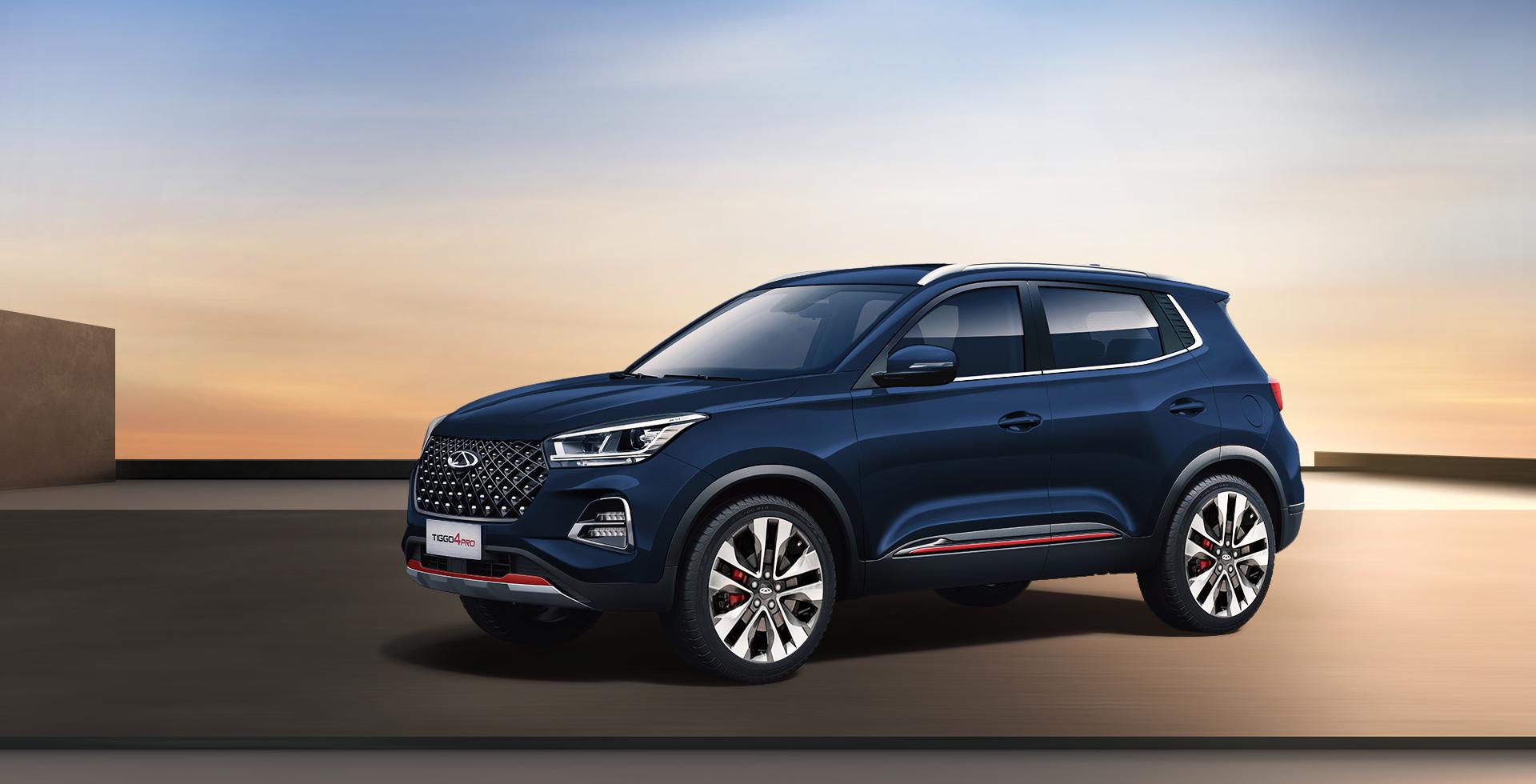
The SUV segment in Egypt has become one of the most competitive automotive categories in 2026, with a wide range of Korean, Japanese, and Chinese models competing for market share. Buying decisions are increasingly driven by value for money, running costs, and long-term ownership expenses rather than brand name alone.
According to market trends and Biddex insights, factors such as pricing, fuel efficiency, maintenance costs, and resale value now play a decisive role in shaping consumer preferences in this segment.
Key Criteria for Selecting the Best SUVs in Egypt
Choosing the right SUV in the Egyptian market depends on several critical factors:
- Price vs. value: How much equipment and performance you get for the price paid.
- Fuel consumption: A key factor amid rising running costs.
- Resale value: Particularly important in Egypt’s high-turnover used car market.
- Maintenance and spare parts availability: Cost and accessibility of service.
- Safety and technology features: Including ABS, ESP, and ADAS systems.
Comparison of the Top SUVs in Egypt 2026
1. Hyundai Tucson
- Price: EGP 1.9 – 2.6 million
- Engine: 1.6 Turbo / 180 hp
- Fuel consumption: 6.5 – 7.5 L/100 km
- Pros: Strong equipment list, excellent resale value, high reliability
- Cons: Relatively high pricing
- Verdict: ⭐ Best all-round family SUV
2. Kia Sportage
- Price: EGP 1.85 – 2.5 million
- Engine: 1.6 Turbo / 180 hp
- Fuel consumption: 6.5 – 7.8 L/100 km
- Pros: Modern design, strong features, wide market presence
- Cons: Price gap between trims
- Verdict: ⭐ Direct competitor to Tucson
3. Toyota RAV4
- Price: EGP 2.4 – 3.2 million
- Engine: 2.0 / 2.5 Hybrid
- Fuel consumption: 4.5 – 6.0 L/100 km (Hybrid)
- Pros: Exceptional reliability, strong resale value, hybrid efficiency
- Cons: Higher price, fewer features vs competitors
- Verdict: ⭐ Best for long-term reliability
4. Chery Tiggo 7 Pro / 8 Pro
- Price: EGP 1.3 – 2.0 million
- Engine: 1.5 Turbo / 156–197 hp
- Fuel consumption: 7.0 – 8.5 L/100 km
- Pros: Excellent value for money, rich features
- Cons: Lower resale value compared to Korean/Japanese rivals
- Verdict: ⭐ Best value-for-money SUV
5. MG ZS
- Price: EGP 1.1 – 1.5 million
- Engine: 1.5 / 120 hp
- Fuel consumption: 6.5 – 7.0 L/100 km
- Pros: Affordable, low running costs
- Cons: Modest performance
- Verdict: ⭐ Best budget SUV
6. Hyundai Creta
- Price: EGP 1.2 – 1.6 million
- Engine: 1.5 / 115 hp
- Fuel consumption: 6.0 – 6.8 L/100 km
- Pros: Reliable, efficient, low maintenance cost
- Cons: Less equipped than Chinese competitors
- Verdict: ⭐ Practical everyday SUV
7. Geely Coolray
- Price: EGP 1.3 – 1.7 million
- Engine: 1.5 Turbo / 172 hp
- Fuel consumption: 6.5 – 7.2 L/100 km
- Pros: Strong performance, sporty design
- Cons: Limited rear space
- Verdict: ⭐ Best sporty compact SUV
Best SUV by Use Case
🚗 Best Family SUV:
- Hyundai Tucson
- Kia Sportage
(Comfort, space, safety, and strong resale value)
💰 Best Budget SUV:
- MG ZS
- Hyundai Creta
(Low purchase and running costs)
⭐ Best Value-for-Money SUVs:
- Chery Tiggo 7 Pro / 8 Pro
- Geely Coolray
(High features at competitive pricing)
🛡️ Best for Reliability:
- Toyota RAV4
(Long-term durability and strong resale value)
Market Insight: Why Buying Priorities Have Changed
Market data from Egypt in 2026 shows a clear shift in consumer behavior, with buyers focusing less on brand perception and more on Total Cost of Ownership (TCO), including fuel, maintenance, and resale value.
The growing presence of Chinese brands has also:
- Increased competition in mid-range segments
- Improved feature offerings at lower price points
- Raised overall value expectations in the market
Conclusion
The SUV market in Egypt is no longer dominated by a single category or brand. Instead, it has evolved into a multi-layered competitive landscape where:
- Korean brands lead in family SUVs
- Japanese brands dominate reliability
- Chinese brands excel in value-for-money offerings
In 2026, the final purchase decision is driven more by user needs and budget optimization than brand loyalty.