How Many Kilometers Can an Electric Car Travel on a Single Charge? A Comparison of Driving Ranges in Egypt
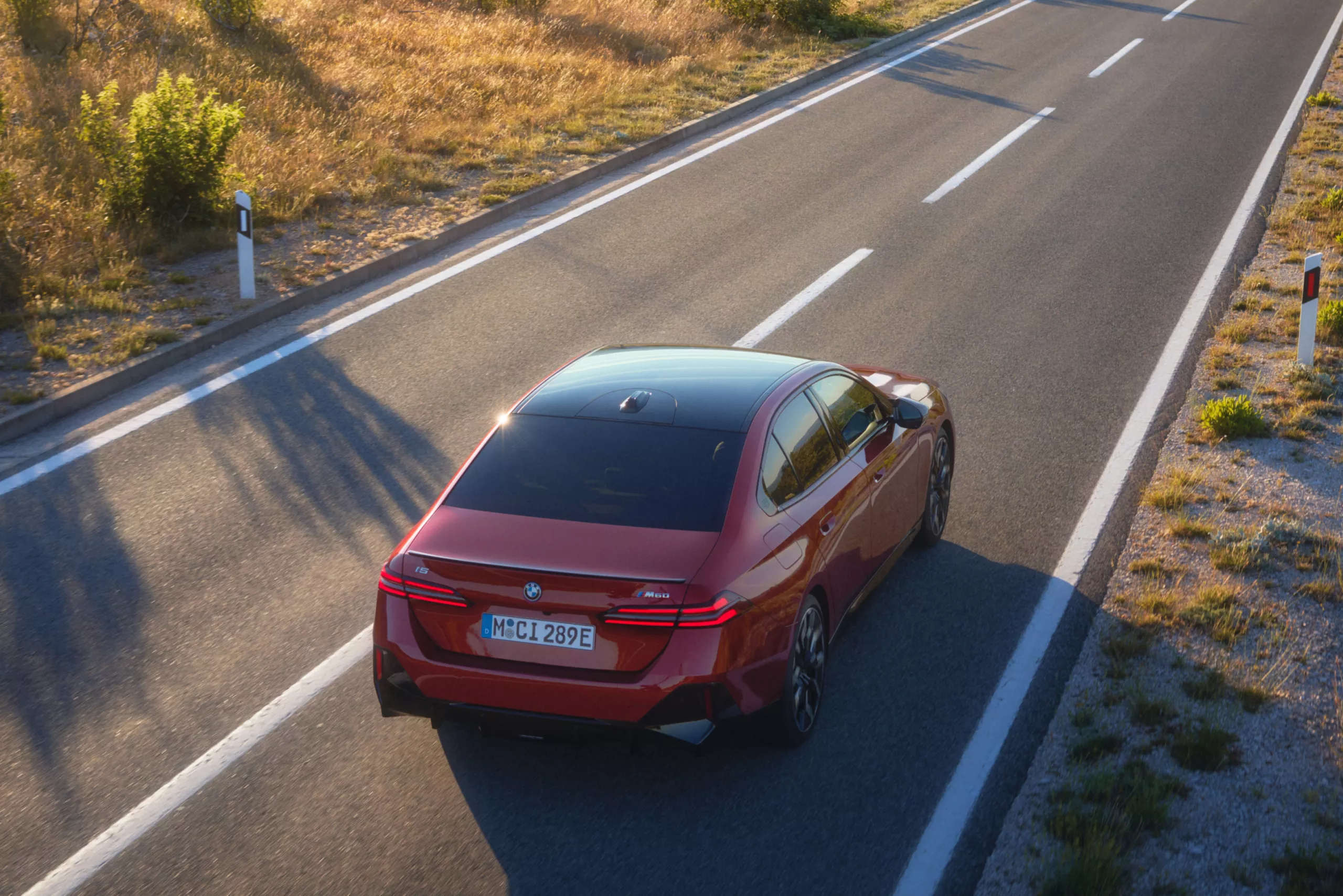
Driving range on a single charge has become one of the most important criteria consumers consider when purchasing electric vehicles in the Egyptian market, particularly with the growing number of available models and differences in battery capacities and technical specifications. Drivers' needs also vary between daily urban commuting and long-distance highway journeys.
Official specifications for several electric vehicles available in Egypt during 2026 reveal significant differences in the distances they can travel on a single charge. Some compact models offer a driving range of approximately 300 kilometers, while other vehicles exceed 600 kilometers according to standardized testing procedures.
However, the advertised driving range does not necessarily represent the distance a vehicle can achieve under all operating conditions. Actual energy consumption is influenced by several factors, including driving speed, temperature, air conditioning, vehicle weight, road conditions, battery condition, and charge level.
These factors are particularly important in the Egyptian market, especially during the summer months when temperatures rise and vehicles are used for long journeys between governorates. Understanding the difference between official and actual driving range is therefore essential before making a purchasing decision.
What Does Driving Range Mean in Electric Vehicles?
Driving range refers to the distance an electric vehicle can travel using the energy stored in its battery before requiring recharging.
Manufacturers measure driving range using standardized tests designed to determine electricity consumption efficiency and allow comparisons between different vehicles under specified testing conditions.
Driving range is measured in kilometers, while battery capacity is measured in kilowatt-hours, a unit representing the amount of energy a battery can store.
Increasing battery capacity does not necessarily result in a proportional increase in driving range, because the distance a vehicle can travel also depends on electric motor efficiency, vehicle weight, aerodynamic resistance, and the energy consumption of auxiliary systems.
For example, a small vehicle equipped with a medium-capacity battery may achieve a driving range similar to that of a larger vehicle with a higher-capacity battery if the smaller vehicle consumes electricity more efficiently.
Therefore, an accurate comparison requires examining driving range, battery capacity, and energy consumption together rather than relying on a single technical specification.
BYD Dolphin Surf Travels 300 Kilometers on a Single Charge
The BYD Dolphin Surf is among the compact electric vehicles available in the Egyptian market, targeting consumers seeking a suitable means of transportation for everyday urban use.
According to official information announced by BYD when it entered the Egyptian market in February 2026, the Dolphin Surf offers a driving range of approximately 300 kilometers on a single charge under the WLTP standard.
This range theoretically enables the vehicle to meet the daily transportation needs of many users without requiring daily recharging, particularly when used for commuting to work or educational institutions.
For example, if a driver travels an average of 40 kilometers per day, a driving range of 300 kilometers would theoretically provide approximately seven and a half days of use.
However, this calculation assumes that the vehicle achieves its full official range and does not account for varying driving conditions or the need to maintain a reserve battery charge.
Consequently, the actual period between charging sessions may be shorter, particularly when using air conditioning or driving at high speeds.
BYD Sealion 6 EV Offers a Range of Up to 420 Kilometers
BYD also offers the fully electric Sealion 6 EV among the models it officially introduced in Egypt during February 2026.
According to information announced by the manufacturer, the vehicle offers a driving range of approximately 420 kilometers on a single charge.
The vehicle belongs to the sport utility vehicle category, targeting consumers seeking greater interior space and features suitable for family use.
Its advertised driving range exceeds that of the Dolphin Surf by approximately 120 kilometers, a difference that may provide users with greater flexibility when planning long-distance journeys.
Nevertheless, this difference does not mean the vehicle will necessarily travel an additional 120 kilometers under all conditions, as energy efficiency varies between models and is affected by driving conditions.
It is also important to distinguish between the fully electric Sealion 6 EV and the Sealion 6 DM-i plug-in hybrid, because the latter's total driving range includes gasoline consumption alongside electric power and does not represent electric-only driving range.
MG4 Offers a Driving Range of Up to 450 Kilometers
The MG4 is among the most prominent electric vehicles offered by the brand in the Egyptian market, with versions that differ in power, driving range, and equipment.
According to specifications published on MG's official Egyptian website, the Standard version offers an advertised driving range of approximately 350 kilometers, while the Luxury version increases this figure to 450 kilometers.
The difference between the two versions is approximately 100 kilometers, representing an increase of around 28.6% in the advertised range of the higher version compared with the entry-level model.
This difference highlights the importance of reviewing the specifications of each version before purchasing, as a single model may offer multiple battery or powertrain options that affect the distance it can travel.
The longer-range version provides greater flexibility for consumers who travel considerable daily distances or rely on their vehicles for journeys between governorates.
By contrast, the shorter-range version may be suitable for users whose journeys are concentrated within cities, particularly if they have regular access to charging facilities.
Kia EV3 Exceeds 600 Kilometers Under WLTP
The Kia EV3 provides one of the clearest examples of differences in driving range between versions of the same model, as the vehicle is available in the Egyptian market with different battery options.
According to specifications published on Kia Egypt's official website, the Standard Range version uses a 58.3 kWh battery, while the Long Range versions are equipped with an 81.4 kWh battery.
The advertised driving range of the Standard Range version reaches 436 kilometers under the WLTP standard, compared with 605 kilometers for the Long Range versions.
The difference between the two options therefore reaches approximately 169 kilometers, reflecting the impact of battery capacity on driving range.
The manufacturer also advertises a range of up to 512 kilometers for the entry-level version under the NEDC standard, compared with 711 kilometers for the higher versions under the same testing procedure.
The difference between the two testing standards demonstrates the importance of avoiding comparisons between driving range figures without verifying the measurement method used.
The version achieving 605 kilometers under WLTP is advertised by the manufacturer as offering 711 kilometers under NEDC, even though the vehicle itself remains unchanged.
What Is the Difference Between WLTP, NEDC, and EPA Testing Standards?
Automotive manufacturers use different standards to measure driving range and energy consumption, which sometimes results in different figures being published for the same vehicle.
WLTP is one of the testing systems widely used to determine energy consumption and driving range under specified laboratory conditions, simulating different driving speeds and acceleration patterns.
NEDC, meanwhile, is an older testing system that may produce higher driving range figures than WLTP in many cases.
The EPA standard is used in the United States and relies on testing procedures to estimate driving range, incorporating adjustments that account for certain factors associated with real-world driving.
The CLTC standard also appears in specifications published for several Chinese vehicles and uses a different testing system in terms of measurement conditions and driving cycles.
Figures generated under these standards cannot be considered identical or directly comparable without accounting for differences in testing procedures.
Therefore, consumers comparing two electric vehicles should examine their driving ranges under the same testing standard whenever possible, rather than selecting the vehicle with the highest advertised figure without reviewing how it was calculated.
Can an Electric Vehicle Achieve Its Full Official Driving Range?
Official driving range serves as a reference value that helps consumers compare vehicles, but it does not guarantee that the same distance can be achieved under all operating conditions.
The US Environmental Protection Agency explains that electric vehicle driving range is affected by factors including temperature, air conditioning, and high-speed driving.
Tesla's technical guidance also indicates that actual driving range varies according to driving style, weather conditions, road characteristics, and other factors affecting energy consumption.
Some vehicles may achieve results close to their advertised range under suitable conditions, while their range may decline significantly when driven at high speeds or when air conditioning systems are used extensively.
There is no single percentage reduction that can be applied to all vehicles, because the difference between official and actual driving range depends on the characteristics of each model and its operating conditions.
Consequently, relying exclusively on official driving range when planning long-distance journeys may result in an inaccurate estimate of the distance available before recharging becomes necessary.
High Speeds Reduce Driving Range
Driving speed directly affects energy consumption in electric vehicles, particularly on highways.
As speed increases, the aerodynamic resistance facing the vehicle rises, requiring greater energy consumption to maintain movement.
This effect becomes more noticeable during sustained high-speed driving compared with traveling at moderate speeds within cities.
Aggressive and repeated acceleration also increases electricity consumption, while gradual acceleration and consistent driving help improve efficiency.
Electric vehicles benefit from regenerative braking systems, which convert part of the vehicle's kinetic energy into electricity that is returned to the battery during deceleration and braking.
Opportunities to benefit from these systems may be greater under certain urban driving conditions than during continuous highway driving.
However, regenerative braking systems do not recover all the energy consumed, nor do they necessarily make repeated stopping and acceleration more efficient than smooth driving.
Air Conditioning and Temperature Affect Driving Range
Air conditioning is one of the factors affecting electric vehicle battery consumption, particularly during summer.
Cabin air conditioning systems require electricity to cool the interior, consuming part of the energy stored in the battery.
The vehicle may also need to operate thermal management systems to maintain battery temperature within appropriate limits for performance and charging.
This issue becomes particularly important in Egypt during periods of high temperatures, especially when vehicles are parked in exposed areas or used for long journeys.
It is not possible to establish a fixed number of kilometers lost from driving range because of air conditioning, as the effect depends on outside temperature, system efficiency, cabin size, and operating duration.
Certain practices can help improve energy efficiency, such as cooling the cabin in advance while the vehicle remains connected to a charger, when the manufacturer provides this function.
Setting air conditioning to an appropriate temperature and avoiding excessive cooling may also help reduce electricity consumption.
How Can You Calculate Your Vehicle's Expected Driving Range?
Driving range can be estimated using the battery's usable capacity and the vehicle's electricity consumption per 100 kilometers.
The calculation involves dividing the energy available in the battery by the electricity consumption rate and multiplying the result by 100.
For example, if the usable energy in a vehicle's battery is 60 kWh and its average consumption is 15 kWh per 100 kilometers, its theoretical driving range reaches 400 kilometers.
If consumption increases to 18 kWh per 100 kilometers, the range falls to approximately 333 kilometers.
If consumption reaches 20 kWh per 100 kilometers, the theoretical range decreases to 300 kilometers.
These examples demonstrate that increasing consumption from 15 to 20 kWh per 100 kilometers reduces theoretical driving range from 400 to 300 kilometers, even though the amount of energy available in the battery remains unchanged.
These calculations remain estimates, as total battery capacity differs from usable capacity in some vehicles, while energy consumption may also change during a journey.
Is Charging from 20% to 80% Sufficient for Daily Use?
Not all electric vehicle owners need to fully charge their batteries every time, particularly when their daily driving distances are limited.
For illustration, consider a vehicle with a theoretical driving range of 400 kilometers when using all the energy available in its battery.
When using 60% of the available energy, equivalent to moving from an 80% charge level to 20%, the theoretical driving distance reaches approximately 240 kilometers, assuming a constant energy consumption rate.
If the owner travels 40 kilometers per day, this distance would theoretically be sufficient for approximately six days of use.
If the daily distance increases to 60 kilometers, the same available range would be sufficient for approximately four days.
These figures do not represent actual results for a specific model but are illustrative calculations demonstrating the relationship between battery charge percentage and driving distance.
Manufacturer recommendations regarding appropriate battery charging levels should also be considered, as guidance may differ according to battery chemistry and vehicle model.
Long-Distance Journeys Require Advance Planning
Driving range becomes increasingly important when electric vehicles are used for travel between governorates, where the availability of charging stations influences route selection and stopping times.
It is not sufficient for the vehicle's official driving range to exceed the distance between departure and destination points, as speed, temperature, terrain, and battery charge level at the beginning of the journey must also be considered.
Drivers should maintain an appropriate energy reserve to account for changes in road conditions or the unavailability of a charging station they had planned to use.
Drivers can benefit from applications displaying charging station locations while checking connector types, charging power, and compatibility with their vehicles.
It is also important to recognize that fast charging duration varies according to station capacity, the vehicle's ability to receive electricity, and battery condition.
Therefore, the vehicle with the longest driving range is not necessarily the best option for every journey, as charging speed and the distribution of charging stations can affect total travel time.
How Do You Choose the Right Driving Range for Your Needs?
Choosing a suitable electric vehicle depends on the nature of daily use and the distances regularly traveled by the driver.
Consumers whose journeys are limited to urban transportation may find that a vehicle with an advertised range of approximately 300 kilometers meets their needs, particularly when charging is regularly available.
Consumers who travel longer distances or frequently undertake intercity journeys may prefer a vehicle with an advertised range exceeding 400 or 500 kilometers, depending on their driving requirements.
Models offering ranges above 600 kilometers provide additional flexibility when planning journeys, but they may come with a higher purchase price or a larger battery.
A longer driving range should not automatically be considered the best choice, as it must be compared with vehicle price, energy efficiency, charging speed, and after-sales services.
Actual driving experience and independent energy consumption tests also remain useful ways of developing a more accurate understanding of vehicle performance.
Driving Range Is a Key Factor in Electric Vehicle Competition
Official specifications for electric vehicles available in Egypt during 2026 reveal considerable differences in driving range. The BYD Dolphin Surf offers 300 kilometers under WLTP, compared with 420 kilometers for the BYD Sealion 6 EV.
The MG4 provides an advertised driving range ranging from 350 to 450 kilometers depending on the version, while the Kia EV3 reaches 605 kilometers for its Long Range versions under the WLTP standard.
These differences demonstrate that driving range depends on the specifications and version of each vehicle rather than simply belonging to the electric vehicle category.
Nevertheless, the actual distance a vehicle can travel remains dependent on driving speed, air conditioning use, temperature, and energy efficiency.
Consequently, selecting a suitable electric vehicle requires balancing official driving range against daily transportation needs, charging availability, and purchase costs, rather than relying solely on the highest advertised distance achievable on a single charge.