The Ultimate Guide to Bad Spark Plugs: Signs Your Engine Needs Help
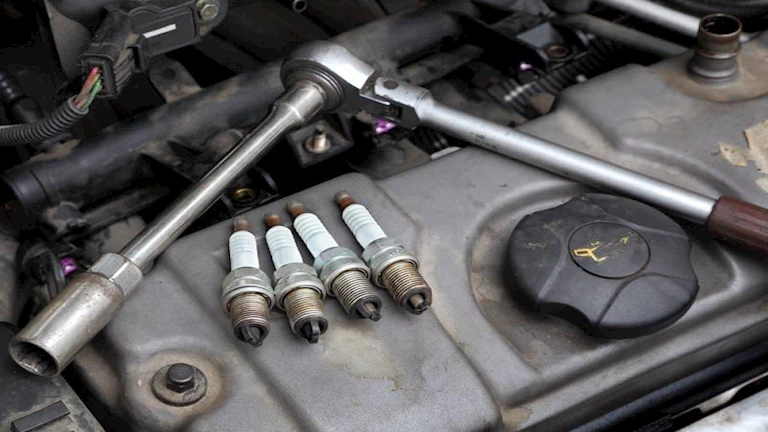
Spark plugs serve as the fundamental cornerstone of any internal combustion engine's ignition system.
Despite their modest physical dimensions, these vital components bear the monumental task of delivering precise, high-voltage electrical sparks to ignite compressed air-fuel mixtures inside the combustion chambers at exact micro-moments. Over thousands of miles of operation, subjected to extreme thermal loads and carbon buildup, spark plugs progressively degrade until they reach complete operational failure.
A significant number of motorists overlook routine ignition system inspections, failing to realize that neglected spark plugs trigger a cascading series of mechanical inefficiencies.
These range from compromised engine performance and erratic acceleration to steep spikes in fuel consumption and premature wear on downstream exhaust sensors.
Recognizing the subtle and overt warning signs of spark plug failure is an essential preventative skill for any driver committed to vehicle longevity and mechanical health.
Hard Starting and Sluggish Cold-Morning Cranking
Experiencing persistent difficulty when turning over the engine—particularly during chilly winter mornings or after extended periods of parking—stands out as a primary indicator of failing spark plugs.
When the firing tip loses its capacity to generate a concentrated, high-energy spark due to electrode erosion or heavy oil fouling, the engine struggles to initiate a clean burn during the initial crank cycles.
Consequently, drivers find themselves holding the ignition key or start button significantly longer than usual before the engine catches and stabilizes.
Engine Vibrations and Hesitant Acceleration
Drivers frequently encounter noticeable engine tremors, rough idling, or shuddering vibrations pulsing through the cabin chassis while stopped at traffic lights or cruising at highway speeds.
This mechanical disharmony stems from engine misfires occurring within one or more cylinders because worn spark plugs fail to fire consistently under load.
These vibrations are commonly accompanied by sluggish throttle response, where the vehicle feels heavy, unresponsive, and reluctant to accelerate smoothly during passing maneuvers.
The Financial Drain: Unexplained Spikes in Fuel Economy
When spark plugs fail to ignite the air-fuel charge completely within the cylinder, unburned fuel escapes past the exhaust valves into the exhaust manifold.
This inefficient combustion forces the vehicle's engine control unit (ECU) to inject extra fuel to compensate for the perceived power deficit.
The direct result is a sharp, measurable drop in fuel efficiency, forcing motorists into frequent, costly visits to fuel stations, occasionally accompanied by mild popping sounds in the exhaust system from unburned fuel igniting in hot pipes.
Dashboard Warnings: The Check Engine Light Indicator
As misfire events multiply and are repeatedly logged by the powertrain control module, the vehicle will display explicit visual warnings, most notably illuminating the iconic Check Engine Light.
This warning light is frequently paired with the distinct smell of unburned raw fuel or abnormal exhaust odors around the vehicle.
These definitive red flags mandate immediate diagnostic scanning and professional inspection of the ignition coil packs and spark plug health before minor misfires evolve into catastrophic internal engine damage.
Replacement Intervals and Material Lifespans
The designated operational lifespan and replacement intervals for spark plugs vary depending on the engine architecture and the metallurgical composition of the plugs themselves.
While traditional copper-core spark plugs demand relatively frequent periodic replacements, advanced premium alternatives constructed from iridium or platinum feature significantly extended durability ratings.
These advanced metals endure extreme cylinder pressures and thermal thresholds across tens of thousands of miles without performance degradation. Adhering strictly to the manufacturer’s official vehicle owner manual and scheduled maintenance intervals remains the most reliable strategy for preventative spark plug servicing.
Spark plugs remain an irreplaceable anchor for maintaining your engine's operational health and peak efficiency.
Cultivating an awareness of early failure symptoms, honoring periodic maintenance routines, and replacing spark plugs according to factory schedules not only guarantees a smooth, vibration-free driving experience but also shields your engine from severe thermal stress, ensuring optimal fuel economy on every journey.