Why Engine Oil Levels Drop Without Visible Leaks: 7 Causes and How to Identify Them
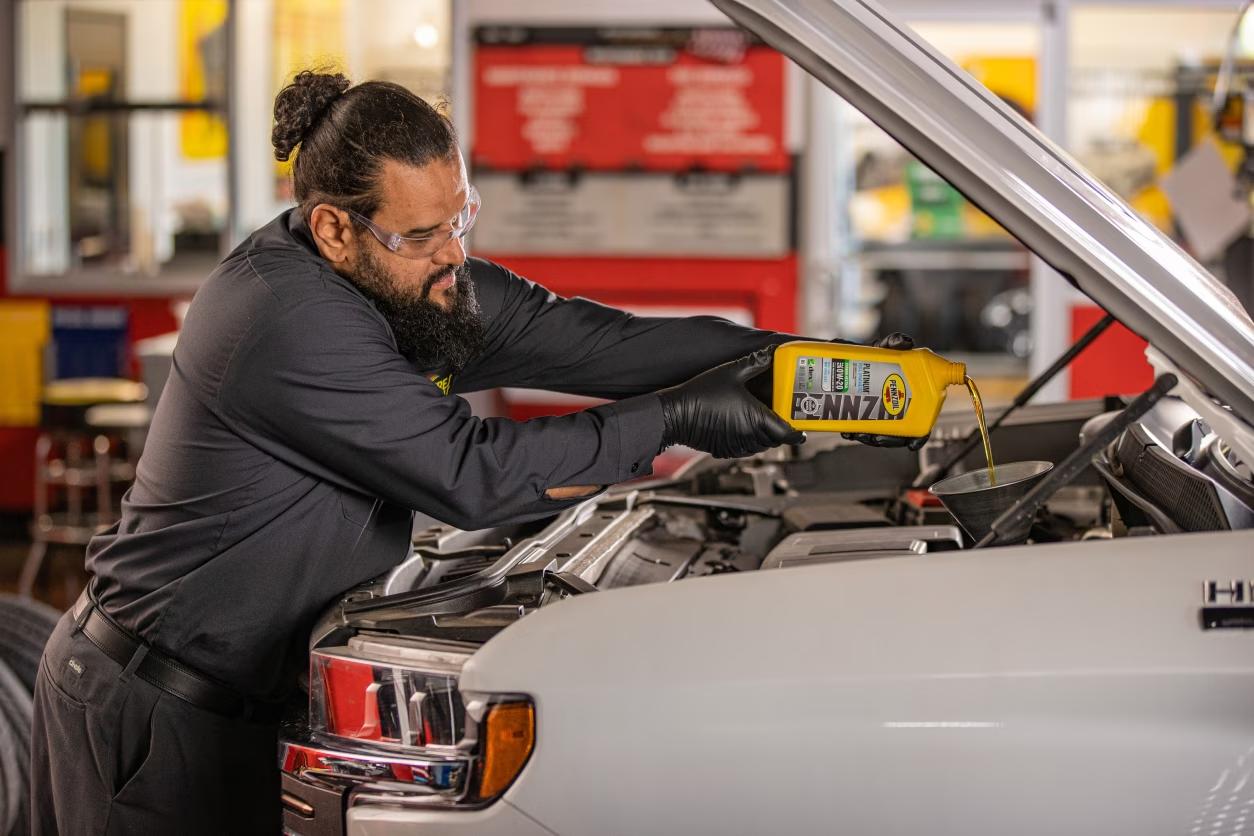
Some vehicle owners experience repeated decreases in engine oil levels without noticing oil stains beneath their cars or visible leaks inside the engine compartment. This condition may result from internal oil consumption or leaks that are difficult to detect through ordinary visual inspections.
Engine oil plays an essential role in reducing friction between moving metal components, helping cool and clean certain parts, and protecting them against wear. Maintaining the correct oil level within the manufacturer's specified limits is therefore essential for safe engine operation.
A decrease in oil level does not necessarily indicate a major mechanical problem. Some manufacturers allow limited oil consumption rates that vary according to engine design, age and operating conditions. However, rapidly falling oil levels or the need for frequent top-ups requires technical inspection.
The main possible causes include worn piston rings, damaged valve stem seals, problems with the positive crankcase ventilation system, unsuitable engine oil, hidden external leaks and turbocharger defects.
1. Worn Piston Rings Allow Oil to Burn
Piston rings help seal the combustion chamber and regulate the amount of oil remaining on the cylinder walls.
When these rings wear out or become stuck because of carbon deposits, excessive oil may enter the combustion chamber and burn alongside the air-fuel mixture.
This can reduce the engine oil level without causing any visible external leakage.
The problem may be accompanied by bluish exhaust smoke, particularly when the engine is operating under increased load.
Other symptoms may include reduced performance or increased crankcase pressure, depending on the severity and nature of the problem.
Diagnosis requires specialized inspection, potentially including a cylinder compression test and leak-down test.
However, these results must be interpreted alongside other symptoms because some oil-control ring problems may occur without a significant reduction in cylinder compression.
Expensive internal engine repairs should not be undertaken before the actual cause has been confirmed.
2. Damaged Valve Stem Seals Allow Oil Into the Engine
Valve stem seals regulate the passage of oil around valve components and prevent excessive quantities from entering the combustion chambers.
Over time, exposure to high temperatures may cause these seals to harden or deteriorate, allowing oil to enter the combustion chambers and burn during operation.
A possible symptom is a brief cloud of blue exhaust smoke when starting the vehicle after a long period of inactivity or after prolonged deceleration followed by acceleration.
However, these symptoms do not conclusively establish that the valve seals are defective, as other mechanical problems may produce similar signs.
Repairs depend on engine design and the extent of the damage and may involve replacing valve stem seals after other components have been inspected.
3. Problems With the Positive Crankcase Ventilation System
The positive crankcase ventilation system, commonly known as PCV, regulates gases that escape from the combustion chambers into the crankcase and directs them back into the intake system according to the engine's design.
If the ventilation valve, hoses or oil separator malfunction, excessive oil mist may be drawn into the intake system and eventually enter the combustion chambers.
This can increase oil consumption without producing visible stains beneath the vehicle.
Other symptoms may include unstable engine idling, abnormal crankcase pressure or excessive oil deposits inside the intake system.
Inspecting the PCV system is an important step when diagnosing oil consumption because it may reveal a problem that is considerably less expensive to repair than internal engine damage.
However, inspection and repair procedures vary depending on the system's design.
4. Using Engine Oil That Does Not Meet Manufacturer Specifications
Engine oil consumption may increase when the oil used does not meet the viscosity grade or technical specifications required by the manufacturer.
Some engines require oils with specific characteristics relating to viscosity, evaporation resistance and chemical additives to ensure adequate lubrication under different operating conditions.
Using unsuitable oil may increase consumption in certain engines, particularly under high temperatures or heavy loads.
Oil properties may also deteriorate during prolonged use or under demanding operating conditions, making it important to follow the manufacturer's recommended replacement intervals.
Drivers should not automatically switch to thicker oil in an attempt to reduce consumption because doing so may affect lubrication flow or systems that depend on oil pressure.
The recommended approach is to consult the owner's manual and use oil that meets both the specified viscosity grade and technical standards.
5. Hidden Leaks That Leave No Stains Beneath the Vehicle
A decrease in engine oil may result from an external leak that is difficult to notice, even when there are no oil stains on the ground.
Oil may escape from the valve cover gasket, oil pan gasket, crankshaft seals or certain lubrication system connections.
In some cases, leaked oil accumulates on engine components or the lower protective cover, or reaches hot surfaces where it partially burns or evaporates.
This may prevent visible oil stains from forming beneath the vehicle.
A burning oil smell or deposits on external engine components may become noticeable, particularly after long journeys.
Detecting such leaks may require cleaning suspected areas and examining the underside of the engine.
A technician may also use a specialized fluorescent dye to identify the source of leakage when necessary.
External leakage should not be ruled out simply because there are no stains where the vehicle is parked.
6. Turbocharger Problems in Turbocharged Vehicles
Some modern engines use turbochargers that rely on engine oil to lubricate internal components operating at high speeds and temperatures.
If certain turbocharger components become damaged or oil drainage is disrupted, oil may enter the intake or exhaust system.
This can increase oil consumption and may be accompanied by blue exhaust smoke or unusual oil deposits inside intake pipes.
However, a light coating of oil in certain intake components does not necessarily indicate turbocharger failure because limited oil mist may be present during normal operation.
Diagnosis should include inspecting the turbocharger, oil supply and return lines, and crankcase ventilation system rather than immediately assuming that the turbocharger requires replacement.
Significant oil leakage into the intake system should be addressed promptly to avoid additional damage.
7. Higher Oil Consumption Under Demanding Driving Conditions
Oil consumption may increase in some vehicles because of demanding operating conditions, even when there is no obvious mechanical defect.
These conditions include sustained high-speed driving, increased engine loads and repeated operation at elevated temperatures.
Such circumstances may increase the evaporation of certain oil components or the amount of oil mist circulating inside the engine, affecting overall consumption.
Oil consumption may also vary during the initial operating period of some new engines, depending on their design and the manufacturer's instructions.
However, demanding driving conditions do not justify ignoring rapid or unusual oil loss.
Actual consumption should be compared with the limits specified in the owner's manual.
Recording the quantities of oil added and the distances traveled can help determine whether consumption remains stable or increases over time.
How Can You Identify the Cause of Oil Loss Without Visible Leaks?
Diagnosis begins with measuring the oil level correctly according to the manufacturer's instructions.
The vehicle should be parked on level ground, and the specified conditions for checking oil levels should be followed.
Drivers should ensure that apparent changes are not caused by measurement errors or differences in engine temperature or waiting time before checking.
The odometer reading, oil level and quantities added can then be recorded over a defined period to establish the actual consumption rate.
The engine should also be inspected externally for leaks, followed by checks of the crankcase ventilation system, intake system and turbocharger components if the vehicle is turbocharged.
A technician may examine spark plugs, use an electronic diagnostic scanner or perform additional mechanical tests if internal oil burning is suspected.
A step-by-step diagnostic approach is preferable, beginning with simpler and less expensive potential causes before considering internal engine repairs.
When Does Low Engine Oil Become Dangerous?
The problem becomes more serious when the oil level drops below the manufacturer's minimum limit, the oil pressure warning light illuminates or unusual metallic noises emerge from the engine.
It is important to distinguish between low oil level and low oil pressure because an oil pressure warning may indicate a serious lubrication problem affecting internal components.
If the oil pressure warning light illuminates while driving, the driver should stop in a safe location, switch off the engine immediately and avoid continuing until the cause has been identified and corrected.
A sudden increase in oil consumption, heavy exhaust smoke or engine overheating also requires urgent inspection.
Repeatedly adding oil without diagnosing the underlying problem is not recommended because continued operation with inadequate lubrication may damage expensive engine components.
Can Thicker Engine Oil Solve the Problem?
Some drivers switch to higher-viscosity oil after noticing falling oil levels, assuming that thicker oil will reduce consumption.
However, changing viscosity is not a universal solution because oil loss may result from mechanical damage, ventilation system problems or external leakage.
Using oil that does not meet the manufacturer's specifications may also cause additional problems in certain modern engines.
Drivers should follow the grades and specifications approved in the owner's manual and consult a qualified technician if the manufacturer allows different options depending on temperature or operating conditions.
Oil consumption additives or leak-stopping products should not be used without confirming their suitability for the engine and the manufacturer's recommendations.
How Can Drivers Maintain the Correct Engine Oil Level?
Regularly checking engine oil levels helps identify unusual decreases before they develop into more serious problems.
Drivers should use oil that meets the manufacturer's specifications, follow the recommended oil and filter replacement intervals, and have the cooling and crankcase ventilation systems inspected during maintenance.
Oil levels should also be monitored after long journeys or demanding driving conditions, in accordance with the owner's manual.
When adding oil, drivers should use the correct product and specifications and avoid exceeding the maximum permitted level.
Keeping a record of oil quantities added and distances traveled helps establish an accurate consumption rate and makes diagnosis easier at a service center.
Engine Oil Loss Without Visible Leaks Should Not Be Ignored
These seven causes demonstrate that a falling engine oil level without an obvious leak does not necessarily indicate one specific mechanical defect.
The problem may involve oil burning inside the cylinders, crankcase ventilation faults, turbocharger problems or demanding operating conditions.
It may also result from a hidden external leak that leaves no visible stains beneath the vehicle.
Repair costs vary significantly depending on the cause, ranging from relatively simple ventilation system repairs or seal replacements to complex internal engine work.
Early technical diagnosis, monitoring oil consumption and following the manufacturer's oil specifications remain among the most important steps for protecting the engine and avoiding expensive mechanical failures.