
© 2026 Biddex. All Rights Reserved.
The Trademark BIDDEX Is Owned by Euro Tech.
© 2026 Biddex. All Rights Reserved.
The Trademark BIDDEX Is Owned by Euro Tech.
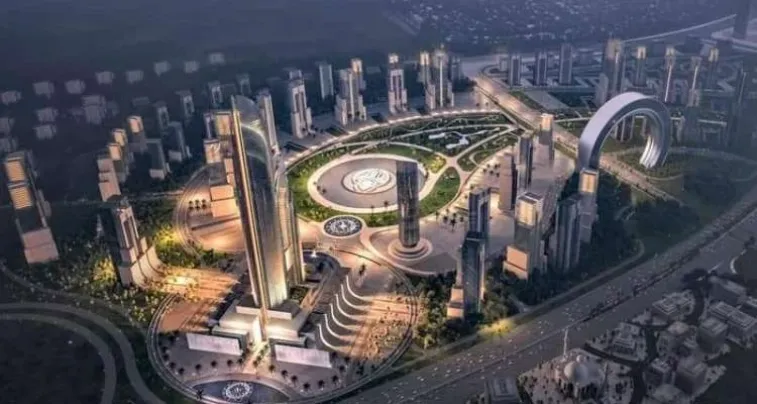
The New Administrative Capital is one of Egypt’s most ambitious national projects, designed to reshape the future of urban life in the country. Located east of Cairo, the city is built on a vast area that aims to host government institutions, residential communities, and advanced commercial hubs. It combines modern technology with strategic planning to reduce the congestion of Cairo and create a smart, sustainable city. With world-class infrastructure, state-of-the-art services, and a vision for a greener lifestyle, the New Administrative Capital is not just a housing project but a symbol of Egypt’s future.
The New Administrative Capital stands as a landmark of Egypt’s vision for progress and development. Unlike traditional urban expansions, this city is being built with advanced planning to accommodate millions of residents and create a hub for global investment. Its design incorporates smart city technologies such as high-speed internet, digital governance, and eco-friendly solutions to ensure sustainability. Additionally, iconic landmarks like the Iconic Tower—the tallest in Africa—highlight its importance as a modern symbol of pride. The city is also home to the Presidential Palace, Parliament, and ministries, making it the new political heart of Egypt. For Egyptians and investors alike, the New Administrative Capital represents a future full of opportunity, growth, and prosperity.
The backbone of the New Administrative Capital lies in its cutting-edge infrastructure. The city is designed with wide roads, advanced transportation systems, and smart energy solutions. For instance, a monorail and high-speed train will link the capital with Greater Cairo, reducing travel time and boosting accessibility. Green energy initiatives, including solar-powered buildings and eco-parks, are also at the core of the project. Beyond transportation and energy, the city provides digital infrastructure, ensuring residents enjoy reliable internet and tech-driven services. This modern infrastructure not only enhances the quality of life but also attracts international companies and investors who seek stability and innovation in Egypt.
Real estate in the New Administrative Capital is becoming one of the hottest topics in Egypt’s property market. Prices vary depending on the type of property—apartments, villas, or commercial units—and the location within the city. While luxury villas in prime areas come at premium prices, there are still affordable housing options for middle-income families. Developers also offer flexible installment plans to make ownership more accessible. Compared to Cairo, property prices are competitive, especially given the long-term potential of the city. Many experts believe that investing now will yield high returns as demand continues to grow. The diversity in pricing ensures that the city is not only for the elite but also for young professionals and families looking for a modern lifestyle.
The New Administrative Capital is seen as a golden opportunity for both local and international investors. With government institutions moving into the city, demand for housing, offices, and services is rapidly increasing. Investors benefit from early entry into a market that is still developing but has immense growth potential. The city’s design as a smart and sustainable hub adds to its attractiveness, ensuring long-term value for properties. Furthermore, Egypt’s government is actively supporting investment by providing incentives, facilitating permits, and ensuring high-quality infrastructure. For anyone looking at Egypt’s future growth, the New Administrative Capital is more than a housing project—it’s a once-in-a-lifetime investment opportunity.
The New Administrative Capital is divided into several well-planned districts, each serving a specific purpose to create a fully functional city. The Government District houses all key ministries, the parliament, and the presidential palace, making it the political center. The Residential District offers a variety of apartments and villas suitable for all income levels. The Financial and Business District is designed for international companies, banks, and commercial offices. In addition, the Green River District provides the largest central park in the Middle East, offering vast green spaces and recreational areas. Finally, cultural and entertainment hubs include the Opera House, major mosques and cathedrals, and large shopping centers. This diversity ensures that residents, workers, and investors all find suitable options, making the city truly integrated and self-sufficient.
Efficient transportation is a cornerstone of the New Administrative Capital’s design. The city features a comprehensive system that connects it internally and with Greater Cairo. The Monorail and high-speed trains link key districts within the city and provide direct access to Cairo, significantly reducing travel time. Major highways connect the capital to the Suez Road and the Red Sea, supporting logistics and tourism. Eco-friendly transport options, including electric buses and bike lanes, are incorporated to reduce congestion and pollution. These well-planned networks make commuting easy for residents and workers, enhancing the city’s appeal as both a living space and a business hub.
Several high-profile real estate projects are currently shaping the New Administrative Capital, catering to diverse needs. Luxury compounds such as Marsa Al Egypt and The Brook offer villas and apartments with modern amenities. Commercial and office developments like iCapital and MU23 provide premium office spaces and retail areas. Iconic skyscrapers, including the Iconic Tower, redefine the city skyline. Large-scale government projects, such as the Diplomatic District, house embassies and international institutions. These projects collectively enhance the city’s investment potential, making it an ideal destination for homebuyers and investors seeking high returns.
Absolutely, the New Administrative Capital represents the future of urban life in Egypt. It combines residential comfort, business opportunities, and investment potential within a single smart city. For residents, it provides modern housing with full services and recreational options. For businesses, the Financial and Business District offers strategic locations for offices and commercial operations. Investors benefit from increasing demand as the city grows, ensuring long-term appreciation of property values. By integrating modern technology, green spaces, and efficient infrastructure, the New Administrative Capital sets a new standard for sustainable urban living and serves as a model for future cities in the region.
In conclusion, the New Administrative Capital is not just a city—it is a national vision for Egypt’s future. With its advanced infrastructure, diverse districts, and ambitious real estate projects, it offers unparalleled opportunities for living, working, and investing. Whether you are seeking a modern home, a lucrative investment, or a strategic business location, the New Administrative Capital is set to become the heart of Egypt’s growth and development in the 21st century.
1. What is the New Administrative Capital?
The New Administrative Capital is a modern, smart city built east of Cairo to serve as Egypt’s new political, residential, and commercial hub.
2. Where is the New Administrative Capital located?
It is located approximately 45 kilometers east of Cairo, between the Cairo-Suez Road and the Cairo-Sokhna Road, making it easily accessible from major cities.
3. What are the real estate prices in the New Administrative Capital?
Property prices vary based on type and location. Apartments and medium villas are more affordable, while luxury villas and commercial units come at premium rates.
4. Is the New Administrative Capital a good investment opportunity?
Yes, the city presents a high-potential investment opportunity due to increasing demand from residents, businesses, and government institutions relocating to the area.
5. What are the major projects and districts in the New Administrative Capital?
Major areas include the Government District, Residential District, Financial and Business District, Green River District, and cultural/entertainment zones. Notable projects include the Iconic Tower and luxury residential compounds.
6. Are there transportation options within and around the New Administrative Capital?
Yes, the city features a monorail, high-speed trains, highways connecting to Cairo and Suez, as well as eco-friendly transport solutions like electric buses and bike lanes.