
© 2026 Biddex. All Rights Reserved.
The Trademark BIDDEX Is Owned by Euro Tech.
© 2026 Biddex. All Rights Reserved.
The Trademark BIDDEX Is Owned by Euro Tech.
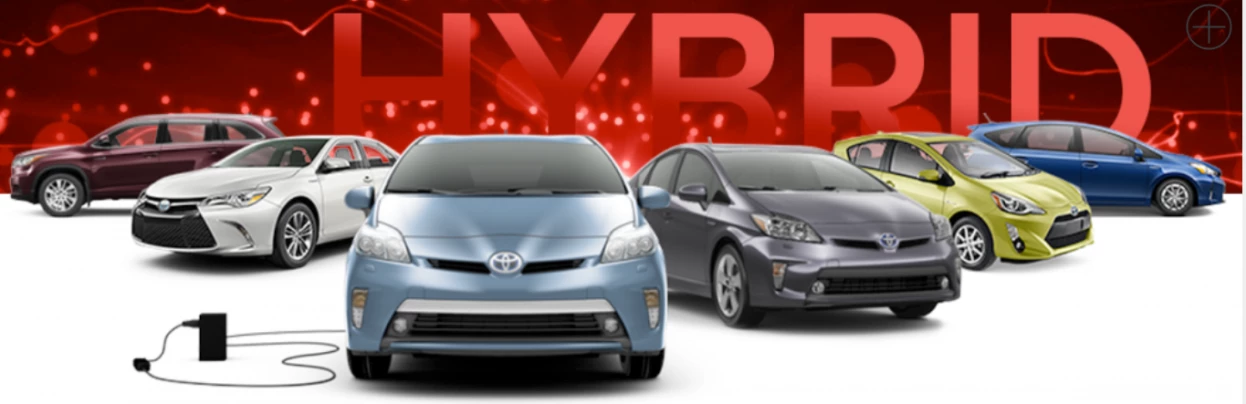
With the global shift towards electric vehicles, an important question arises: Are they really the best choice for everyone and in all conditions? In reality, electric cars face some challenges that make them less than ideal for all consumers, especially in certain regions and circumstances.
This is why some prefer hybrid cars, which offer a mix of traditional and electric powertrain technologies, making them a more flexible and realistic option for many.
Hybrid cars have won over drivers more than their electric counterpart due to the technology they possess, and most importantly their lower running costs.
One of the biggest obstacles faced by electric cars is not in the design of the cars themselves, but in the limited infrastructure for charging them. Even in a country like the UK, where distances between cities are not exceptionally long, planning long journeys in an electric car requires a higher degree of organization compared to internal combustion engine vehicles.
While electric cars have numerous environmental and economic advantages, they face a major challenge in providing battery charging. Unlike conventional cars that can easily be fueled at any gas station, electric cars require a sophisticated charging network, which is still under development in many regions, including the UK.
When planning a long trip in an electric car, a driver has to be more organized compared to someone driving an internal combustion vehicle. The need to locate charging stations and schedule charging makes trip planning more complicated.
Whereas with a gas (petrol or diesel) powered car, you know that when you run out of fuel, you simply hop to the next fuel station and fill up, then you're on your way in minutes.
The best solution for most people right now is the hybrid car, where these engines still have a fossil-fuel burning internal combustion engine that consumes increasingly expensive fuel, but they also have an electric motor and battery that can be used for short distances or lower speeds.
Types of Hybrid Vehicles
Hybrid vehicles come in various types to meet the needs of a wide range of drivers. They can be divided into four main categories:
Plug-in hybrids (PHEVs) are considered the ideal choice for many drivers, combining the benefits of EVs and conventional cars. They provide a quiet, emissions-free driving experience in cities, with the ability to undertake longer journeys without range anxiety.
PHEV models are available in a wide variety of designs and sizes, to suit different needs and budgets. Whether you want a family sedan or an off-road adventure SUV, there is certainly a PHEV option for you.
In conclusion, the future of cars globally is certainly electric but the present for many is highly hybrid, as hybrid vehicles offer a diverse range of choices to meet the needs of drivers who want to strike a balance between fuel efficiency and environmental protection.