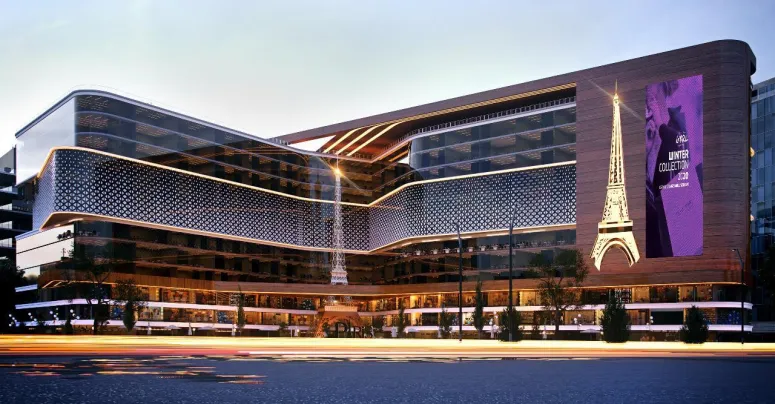
تتجسد رؤية العاصمة الإدارية الجديدة لمصر في مدنها الذكية ومراكزها المتكاملة التي تجمع بين الحياة العصرية والأعمال والترفيه. وفي قلب هذه الرؤية تبرز "مولات العاصمة الإدارية" كشرايين حيوية تخدم القاطنين والزوار والمستثمرين على حد سواء. بحلول عام 2025، ومع اكتمال المزيد من المرافق والبنية التحتية، أصبحت هذه المولات ليست مجرد أماكن للتسوق، بل هي وجهات متكاملة تقدم تجربة فريدة، وتوفر فرصًا استثمارية واعدة في قلب مصر النابض بالمستقبل.
ما الذي يجعل مولات العاصمة الإدارية وجهات فريدة؟
تتميز مولات العاصمة الإدارية الجديدة بالعديد من الخصائص التي تضعها في مصاف الوجهات العالمية للتسوق والترفيه والاستثمار. أولاً، التخطيط العمراني المبتكر الذي يضمن سهولة الوصول والتدفق المروري، بالإضافة إلى التصميمات المعمارية الحديثة التي تتماشى مع الطابع العصري للعاصمة. ثانياً، التنوع الهائل في الأنشطة التي تقدمها، فهي لا تقتصر على المحلات التجارية فحسب، بل تضم مناطق ترفيهية للأطفال، مجمعات سينمائية حديثة، صالات طعام عالمية، ومساحات خضراء للاسترخاء، مما يجعلها وجهة لجميع أفراد الأسرة. ثالثاً، التقنيات الذكية المستخدمة في إدارتها وتشغيلها، من أنظمة الأمن والمراقبة المتطورة إلى أنظمة إدارة الطاقة والتكييف التي تضمن تجربة مريحة ومستدامة. رابعاً، الموقع الاستراتيجي ضمن مناطق حيوية مثل الداون تاون، الحي المالي، وحي الأعمال المركزي، مما يضمن تدفقًا مستمرًا للزوار والمستثمرين. هذه الميزات مجتمعة تخلق بيئة جذابة لكل من رواد الأعمال والجمهور العام، مما يعزز من قيمتها الاستثمارية والترفيهية.
كيف تساهم مولات العاصمة الإدارية في تعزيز الاقتصاد المحلي؟
تلعب المولات دورًا حيويًا في دفع عجلة الاقتصاد المحلي للعاصمة الإدارية الجديدة، وتتجاوز مساهمتها مجرد كونها مراكز تسوق:
- خلق فرص عمل هائلة: توفر هذه المولات الآلاف من فرص العمل المباشرة وغير المباشرة، بدءًا من وظائف البيع بالتجزئة والضيافة، وصولاً إلى الإدارة والصيانة والأمن، مما يساهم في خفض معدلات البطالة ودعم الأسر.
- جذب الاستثمارات: تجذب المولات الكبرى المستثمرين المحليين والدوليين الراغبين في فتح فروع لعلاماتهم التجارية أو الاستثمار في الوحدات التجارية، مما يؤدي إلى تدفق رؤوس الأموال الأجنبية وتعزيز الثقة في الاقتصاد المصري.
- تنشيط حركة التجارة: تعمل المولات كحاضنة لمئات المتاجر والعلامات التجارية، مما يزيد من حجم المبيعات ويحفز الإنتاج المحلي ويشجع المنافسة الصحية.
- دعم قطاع السياحة الداخلية: بفضل تصميماتها الجذابة ومرافقها الترفيهية المتكاملة، تصبح المولات وجهات سياحية بحد ذاتها، تجذب الزوار من خارج العاصمة الإدارية، مما يعزز السياحة الداخلية ويزيد من الإيرادات.
- تعزيز البنية التحتية: يدفع إنشاء وتطوير المولات إلى تحسين البنية التحتية المحيطة بها، مثل الطرق والمرافق والخدمات اللوجستية، مما يعود بالنفع على المنطقة بأكملها.
- توليد الإيرادات الحكومية: تساهم الأنشطة التجارية في المولات في زيادة الإيرادات الضريبية للحكومة، والتي يمكن إعادة استثمارها في مشاريع تنموية أخرى.
من خلال هذه المساهمات المتعددة، تعد مولات العاصمة الإدارية محركات اقتصادية قوية تدعم النمو الشامل للمدينة والدولة.
ما هي أنواع الوحدات المتاحة للاستثمار في مولات العاصمة الإدارية؟
تقدم مولات العاصمة الإدارية مجموعة متنوعة من الوحدات التي تلبي احتياجات مختلف أنواع المستثمرين والأعمال:
- الوحدات التجارية (Commercial Units): تعتبر الأكثر شيوعاً، وتتراوح مساحاتها لتناسب المتاجر الصغيرة والكبيرة، ومحلات الأزياء، والإلكترونيات، والمفروشات، وغيرها. غالباً ما تقع في الطوابق السفلية والأرضية والأولى لسهولة الوصول والرؤية.
- المحلات المخصصة للمطاعم والكافيهات (Food & Beverage Units): هذه الوحدات مصممة خصيصاً لاستيعاب المطابخ وأنظمة التهوية والمرافق اللازمة للمطاعم والكافيهات. غالباً ما تكون متوفرة في مناطق مخصصة للمطاعم (Food Courts) أو بواجهات خارجية في الطوابق الأرضية.
- الوحدات الإدارية (Administrative Units): توجد في المولات التي تجمع بين الجانب التجاري والإداري، وتوفر مكاتب بمساحات متنوعة للشركات والعيادات والمؤسسات. تتميز بتصميمات عصرية ومرافق داعمة لبيئة العمل.
- الوحدات الطبية (Medical Units): في بعض المولات، تخصص طوابق كاملة أو جزء منها للمراكز الطبية والعيادات المتخصصة، مع مراعاة المعايير الصحية والتصميمات التي توفر الراحة للمرضى.
- وحدات الفود كورت (Food Court Units): مساحات مخصصة داخل منطقة طعام مركزية، وهي مثالية للمطاعم التي تعتمد على الوجبات السريعة أو المأكولات المتخصصة.
- وحدات الكيوسك (Kiosks): وحدات صغيرة ومفتوحة توضع في الممرات الرئيسية للمول، ومناسبة للمنتجات الترويجية أو الخدمات السريعة مثل بيع القهوة، الإكسسوارات، أو خدمات الهاتف.
تختلف أسعار وأنظمة السداد لهذه الوحدات بشكل كبير بناءً على موقع المول، سمعة المطور، الدور الذي تقع فيه الوحدة، ومساحتها، ودرجة التشطيب. الاستثمار في هذه الوحدات يعد فرصة واعدة بالنظر إلى النمو المتوقع للعاصمة الإدارية وزيادة الكثافة السكانية بها.
ما هي أبرز الخدمات والمرافق التي توفرها مولات العاصمة الإدارية لزوارها ومستثمريها؟
تلتزم مولات العاصمة الإدارية بتقديم تجربة شاملة ومريحة لزوارها ومستثمريها من خلال توفير مجموعة واسعة من الخدمات والمرافق المتطورة:
- أمن وحراسة على مدار الساعة: أنظمة أمنية متكاملة تشمل كاميرات مراقبة متطورة، أفراد أمن مدربين، وأنظمة دخول ذكية لضمان سلامة وأمن الجميع.
- مواقف سيارات واسعة: توفير طوابق متعددة لمواقف السيارات، سواء تحت الأرض أو فوقها، لضمان استيعاب أعداد كبيرة من الزوار وتسهيل الوصول.
- نظام إطفاء حرائق ومخارج طوارئ: أنظمة حديثة للكشف عن الحرائق والتحكم فيها، بالإضافة إلى مخارج طوارئ واضحة ومؤمنة.
- مصاعد وسلالم متحركة: عدد كافٍ من المصاعد السريعة والسلالم المتحركة لتسهيل التنقل بين الطوابق المختلفة.
- مناطق ترفيهية للأطفال (Kids' Areas): مساحات مخصصة ومجهزة بألعاب ومراقبين لضمان تسلية الأطفال وراحة أولياء الأمور أثناء التسوق.
- قاعات سينما حديثة: مجمعات سينمائية تعرض أحدث الأفلام بأحدث التقنيات الصوتية والمرئية.
- مناطق طعام ومطاعم متنوعة (Food Courts & Fine Dining): مجموعة واسعة من المطاعم والكافيهات التي تقدم خيارات طعام متنوعة تناسب جميع الأذواق والميزانيات.
- مراكز صحية وخدمات طبية: بعض المولات توفر عيادات وصيدليات وخدمات طبية أساسية لراحة الزوار.
- خدمات تنظيف وصيانة دورية: فرق متخصصة لضمان نظافة المول وصيانة مرافقه بشكل مستمر.
- حمامات نظيفة ومجهزة: دورات مياه مصممة بعناية وتتم صيانتها بانتظام.
- خدمة Wi-Fi مجانية: في معظم المولات لتسهيل التواصل للزوار.
- ماكينات صراف آلي (ATMs): توافر عدد من ماكينات الصراف الآلي للبنوك المختلفة.
- خدمات العملاء والاستعلامات: مكاتب معلومات لمساعدة الزوار وتقديم الدعم اللازم.
تساهم هذه الخدمات في تعزيز تجربة الزوار والمستثمرين على حد سواء، وتجعل المولات وجهة مفضلة لقضاء الوقت والتسوق والعمل.
كيف يمكن الاستثمار بنجاح في وحدة داخل مولات العاصمة الإدارية؟
الاستثمار في وحدة داخل أحد مولات العاصمة الإدارية يتطلب دراسة متأنية وخطوات مدروسة لضمان تحقيق أفضل العوائد:
- دراسة السوق والموقع:
- ابحث عن الموقع الأمثل: هل المول في منطقة ذات كثافة سكانية عالية أو قرب المعالم الرئيسية (حي حكومي، جامعات، مستشفيات)؟ كلما كان الموقع استراتيجياً، زادت فرص نجاح وحدتك.
- تحليل المنافسة: ما هي المولات الأخرى في المنطقة؟ وما هي أنواع الوحدات والخدمات التي تقدمها؟
- تحديد الجمهور المستهدف: هل الجمهور المتوقع للعاصمة الإدارية يتناسب مع نوع عملك (ترفيهي، تجاري، خدمي)؟
- اختيار المطور العقاري:
- سمعة المطور: اختر مطوراً له سجل حافل بالمشاريع الناجحة والتسليمات في المواعيد المحددة.
- الخبرة السابقة: هل لدى المطور خبرة في بناء وإدارة المولات التجارية؟
- فهم نوع الوحدة الأنسب:
- تجاري، إداري، طبي: حدد الغرض من وحدتك. هل ستكون متجراً، مكتباً، أو عيادة؟ كل نوع له متطلبات ومواقع مفضلة داخل المول.
- المساحة والتصميم: هل المساحة مناسبة لعملك؟ هل التصميم الداخلي قابل للتكيف مع احتياجاتك؟
- الدور والموقع داخل المول: الوحدات في الطوابق الأرضية أو القريبة من المداخل الرئيسية أو المصاعد عادة ما تكون أغلى لكنها تجذب زواراً أكثر.
- تحليل العائد المتوقع:
- الإيجار المتوقع: استشر خبراء العقارات لتحديد الإيجار المتوقع لوحدتك.
- القيمة السوقية المستقبلية: مع النمو المتوقع للعاصمة، من المرجح أن تزداد قيمة وحدتك على المدى الطويل.
- تكاليف التشغيل: لا تنسَ حساب رسوم الصيانة، فواتير الخدمات، والضرائب.
- الجوانب القانونية والتعاقدية:
- مراجعة العقود بدقة: استعن بمحامٍ متخصص لمراجعة عقد الشراء أو الإيجار، وفهم جميع الشروط والأحكام.
- جدول الدفعات: تأكد من فهمك الكامل لخطط السداد والمقدمات والأقساط.
- التسجيل: تأكد من أن جميع الإجراءات القانونية للتسجيل تتم بشكل صحيح لضمان حقوقك.
- التسويق والإدارة:
- خطط تسويقية: إذا كنت ستؤجر الوحدة، فكر في كيفية تسويقها لجذب المستأجرين المناسبين.
- إدارة الممتلكات: قد تحتاج إلى شركة لإدارة الممتلكات للاهتمام بصيانة الوحدة والعلاقة مع المستأجرين.
من خلال هذه الخطوات، يمكن للمستثمر اتخاذ قرار مستنير يعزز من فرص نجاح استثماره في مولات العاصمة الإدارية الجديدة.
هل المولات في العاصمة الإدارية الجديدة صديقة للبيئة؟
يتجه العديد من المطورين العقاريين في العاصمة الإدارية الجديدة نحو تبني ممارسات البناء المستدام والتصميمات الصديقة للبيئة لمولاتهم، وذلك تماشيًا مع الرؤية العامة للمدينة التي تهدف إلى أن تكون مدينة ذكية ومستدامة.
- تصميمات موفرة للطاقة: تعتمد العديد من المولات على الزجاج المزدوج، العزل الحراري، وأنظمة الإضاءة LED الموفرة للطاقة، بالإضافة إلى أنظمة تكييف الهواء المركزية عالية الكفاءة التي تقلل من استهلاك الكهرباء.
- استخدام الطاقة المتجددة: بعض المشاريع الكبرى تدمج الألواح الشمسية لإنتاج جزء من احتياجاتها من الطاقة الكهربائية، مما يقلل من البصمة الكربونية.
- أنظمة إدارة المياه الذكية: يتم تطبيق تقنيات ترشيد استهلاك المياه، مثل استخدام تجهيزات صحية موفرة للمياه، ونظم ري ذكية للمساحات الخضراء، وربما إعادة تدوير المياه الرمادية.
- المساحات الخضراء: يتم تخصيص مساحات واسعة للمناظر الطبيعية والحدائق داخل وخارج المولات، مما يساهم في تحسين جودة الهواء وتوفير بيئة أكثر صحة وراحة.
- إدارة النفايات: يتم التخطيط لأنظمة فعالة لإدارة النفايات، بما في ذلك فرز النفايات وإعادة التدوير لتقليل التأثير البيئي.
- شهادات البناء الأخضر: يسعى بعض المطورين للحصول على شهادات بناء خضراء معترف بها دوليًا مثل LEED، مما يؤكد التزامهم بمعايير الاستدامة الصارمة.
هذه الجهود تعكس وعيًا متزايدًا بأهمية الاستدامة في قطاع العقارات التجاري، وتجعل المولات في العاصمة الإدارية ليست فقط مراكز تجارية حديثة، بل أيضًا نماذج للبناء المسؤول بيئيًا.
أسئلة شائعة حول مولات العاصمة الإدارية
- ما هو أكبر مول في العاصمة الإدارية الجديدة؟ لا يوجد مول واحد يمكن اعتباره "الأكبر" بشكل قاطع نظرًا لتعدد المشاريع الضخمة التي لا يزال بعضها قيد الإنشاء. ولكن، يعتبر كابيتال دايموند تاور (Capital Diamond Tower) ونايل بيزنس سيتي (Nile Business City) من أبرز وأضخم المشاريع التي تضم مساحات تجارية هائلة، بالإضافة إلى الأبراج التجارية في منطقة الأعمال المركزية (CBD).
- هل مولات العاصمة الإدارية مفتوحة للجمهور الآن؟ نعم، هناك العديد من المولات التي افتتحت أبوابها بالفعل في العاصمة الإدارية الجديدة، خاصة في مناطق الداون تاون (Downtown) والمناطق القريبة من الأحياء السكنية المأهولة. ومع ذلك، لا يزال هناك عدد كبير من المشاريع قيد الإنشاء أو في مراحل التشطيب النهائية.
- هل أسعار الوحدات التجارية في مولات العاصمة الإالية مرتفعة؟ تختلف الأسعار بشكل كبير بناءً على موقع المول، سمعة المطور، الدور، المساحة، ونوع الوحدة. بشكل عام، قد تكون الأسعار مرتفعة نسبيًا مقارنة ببعض المناطق الأخرى في القاهرة الكبرى، ولكنها تعكس القيمة المستقبلية المتوقعة والخدمات المتميزة والموقع الاستراتيجي للعاصمة الإدارية.
- هل يمكن للأجانب الاستثمار في مولات العاصمة الإدارية؟ نعم، يمكن للأجانب تملك وشراء الوحدات التجارية والإدارية في مولات العاصمة الإدارية الجديدة، وذلك وفقًا للقوانين المصرية التي تسمح للأجانب بالتملك العقاري. عادة ما تتطلب هذه العملية استشارة قانونية لضمان الامتثال لجميع الإجراءات.
- ما هي وسائل النقل المتاحة للوصول إلى مولات العاصمة الإدارية؟ تتطور شبكة المواصلات في العاصمة الإدارية بشكل مستمر لتشمل الطرق السريعة الجديدة، المونوريل، والقطار الكهربائي الخفيف (LRT)، بالإضافة إلى شبكة حافلات داخلية. هذه الوسائل تهدف إلى تسهيل الوصول إلى المولات من مختلف أنحاء القاهرة الكبرى والمحافظات الأخرى.