
© 2026 Biddex. All Rights Reserved.
The Trademark BIDDEX Is Owned by Euro Tech.
© 2026 Biddex. All Rights Reserved.
The Trademark BIDDEX Is Owned by Euro Tech.
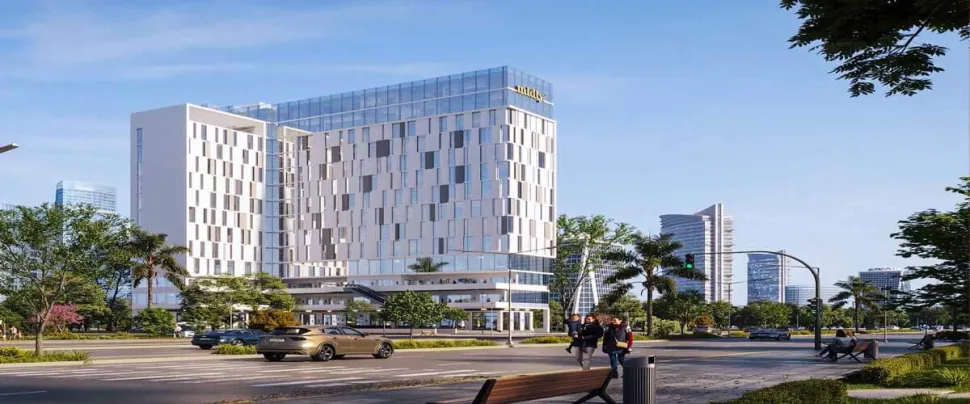
This practical, human-written guide equips marketing teams, leasing agents, and investors with everything they need to present Medley Mall, New Administrative Capital convincingly: the asset’s investment case, visitor experience strengths, operational considerations, and actionable marketing strategies that turn interest into signed leases. Use this text as a project landing page, sales brochure copy, or investor factsheet — it’s SEO-friendly for the keyword Medley Mall, New Administrative Capital and written to convert.
Medley Mall, New Administrative Capital combines a strategic catchment, a balanced tenant program, and operational readiness that together reduce investor risk and accelerate time-to-revenue. Located within a growing residential, governmental and office catchment, the mall benefits from steady daytime and weekend footfall. The tenant mix is designed to diversify income—flagship retail, mid-market brands, F&B clusters, and experiential pop-ups—so revenue is balanced across shopper types and dayparts. Operationally, emphasize built-in infrastructure (service corridors, loading docks, tech-ready utilities) and planned asset management procedures that shorten tenant fit-out time and reduce downtime between leases. For investor materials, include measurable metrics: estimated catchment population within 15–30 minutes, expected average spend per visit, dwell-time targets, and benchmarks vs. comparable assets. Frame Medley Mall, New Administrative Capital as a scalable retail asset with a clearly defined leasing and management plan.
A repeatable destination is one that removes friction for families and groups. Medley Mall, New Administrative Capital should be showcased as a family-first environment with amenities that increase dwell time and repeat visits. Highlight safe, supervised children’s play zones and seasonal family programming that convert occasional visitors into regulars. Call out practical conveniences—clean restrooms, nursing rooms, stroller-friendly circulation, reserved family parking—and visible security and customer service desks that build trust. The F&B mix must serve multiple use cases: quick-service for office lunches, family restaurants for daytime, and premium dining for evenings. In consumer-facing copy and local listings, use phrases like “family amenities at Medley Mall, New Administrative Capital” and “kids play area Medley Mall, New Administrative Capital” to capture family-focused search intent.
Investors want clear scenarios. Present three cases—conservative, base, and upside—linked to occupancy curves, average rent per sqm, and ancillary revenue sources (parking, advertising, events). Break down revenue lines: guaranteed base rent, potential turnover/percentage rent, parking income, and event/sponsorship revenues. Provide a stabilization timeline (commonly 12–24 months after opening) and list levers that accelerate leasing: securing anchors, staged marketing, and community activations. Include sensitivity analyses showing how ±5–10% changes in occupancy or rent affect IRR and cash flow to give investors confidence in risk outcomes. Note value-add opportunities: active tenant-mix management, curated F&B clusters, and event programming that boost footfall and justify rent growth. Recommend lease structures that protect owners—graduated escalations, security deposits or bank guarantees, and measured fit-out allowances to attract quality operators.
Shorten leasing cycles by combining digital accuracy with high-touch relationship-building. Build a funnel: awareness → consideration → evaluation → commitment. Awareness: geo-targeted search and social campaigns with long-tail keywords like “retail units Medley Mall, New Administrative Capital,” plus retargeting visitors who view unit pages. Consider LinkedIn outreach to retail development managers and industry portals to reach franchise decision-makers. Consideration: provide high-quality collateral—3D video tours, professional photography, downloadable floorplans, and investor one-pagers. Host B2B preview days and pop-up activations to demonstrate live footfall. Negotiation: offer transparent term sheets and pre-approved fit-out packages to reduce friction. Measure lead source, time-to-sign, and cost-per-signed-lease and reallocate budget to highest-converting channels. Strategic partnerships with franchise brokers, F&B incubators, and retail consultants will attract proven concepts and reduce first-year vacancy risk.
Accessibility is a core selling point. In consumer pages and leasing materials, map journey times from major neighborhoods and business hubs (e.g., “10–20 minutes from [district]” when real data is available). Emphasize multimodal access: arterial road connections, planned or existing metro/bus stops, taxi/ride-hail drop-off zones, and shuttle options for nearby gated communities. For drivers, publish parking capacity, pricing policy (if any), family/reserved bays, EV charging points, and accessible parking. For tenants, include service entrance specs, loading-dock dimensions, allowed delivery windows, and back-of-house circulation maps so suppliers can operate efficiently without disrupting guest areas. Use location-focused long-tail phrases such as “how to get to Medley Mall, New Administrative Capital” and “parking at Medley Mall, New Administrative Capital” in FAQs and Google Business listings.
A resilient tenant mix requires variety and flexibility. Describe the inventory clearly: street-facing frontage units (e.g., 20–200 sqm), inline retail units, kiosk/pop-up clusters, full-service F&B units with kitchen provision, outdoor terraces where applicable, and experiential/entertainment zones (mini-cinemas, edutainment). Provide frontage and ceiling-height specs for international brands that need specific display proportions. For service and entertainment users, state technical requirements (power, ventilation). Offer downloadable floorplans, typical unit size tables, and sample lease terms to help prospects self-qualify quickly. Create dedicated landing pages per format—“restaurants Medley Mall, New Administrative Capital,” “retail units Medley Mall, New Administrative Capital,” and “pop-up spaces Medley Mall, New Administrative Capital”—to improve SEO and target specific searches.
Design and finish quality matter for premium tenants. Present Medley Mall, New Administrative Capital as meeting luxury retailers’ expectations: proportionate storefronts and high ceilings for visual merchandising, premium common-area finishes (feature lighting, quality seating, stone or high-end cladding), and technical readiness (HVAC zoning for high-load F&B, robust electrical capacity). Describe circulation and sightlines that increase dwell time—wide promenades, curated amenity pockets (lounges, art installations), and premium restroom/concierge services. Prepare a “luxury pitch” package for target retailers with high-res renders, finish samples, and catchment income data to justify higher rents. This design-focused positioning lifts overall mall perception and supports premium rental rates.
Top retail assets deliver both financial returns and daily utility. Medley Mall, New Administrative Capital offers diversified income streams (retail rents, F&B, events, parking) to investors and daily convenience for residents—dining, services, quick retail, and family entertainment. Use a dual-content strategy: investor pages showing modeled return scenarios and asset-management credentials, and consumer pages highlighting amenities, events, and convenience. Targeted SEO can serve both audiences: “investment opportunities Medley Mall, New Administrative Capital” for capital seekers and “things to do at Medley Mall, New Administrative Capital” for consumers. Aligning these narratives positions the mall as an income-producing asset and a neighborhood destination—supporting sustained footfall and long-term value appreciation.
Q: Where exactly is Medley Mall, New Administrative Capital located?
A: Medley Mall lies within the commercial-residential core of the New Administrative Capital, close to major residential clusters and government/business hubs to ensure visibility and steady visitor flow.
Q: What types of units are available for lease or sale?
A: The mall offers a mixed inventory: street-front shops, inline retail, kiosk/pop-up spaces, full-service F&B units, experiential zones, and back-of-house support spaces (storage, office pods).
Q: How do I start the leasing or purchase process?
A: Contact the leasing team to request the brochure and floorplans, schedule a site tour, submit a letter of intent, review the draft lease and fit-out package, provide required guarantees/deposits, and then proceed with signing and handover scheduling.
Q: Are there sufficient parking and transport options?
A: Yes — planned parking includes family and accessible bays, with connections to major roads and last-mile transport options. EV charging and shuttle services may be offered depending on the operating plan.
Q: What are the expected investment returns?
A: Returns depend on unit type and location within the mall; however, the strategic catchment and diversified tenant mix support high occupancy potential and stable medium- to long-term returns. Detailed ROI scenarios are available in the investor pack.