Egypt’s Automotive Market 2026: How the Market Has Evolved — Biddex Report
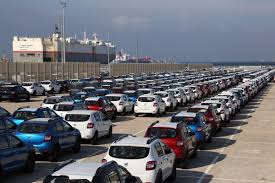
Egypt’s automotive market underwent a significant transformation in 2026, driven by the gradual recovery of vehicle supply, intensifying competition among automakers, the rapid expansion of Chinese brands, and growing consumer interest in electric vehicles (EVs). According to Biddex data, total new vehicle sales in Egypt reached approximately 102,000 units during the year, highlighting the market’s continued recovery despite the economic challenges that have affected the automotive sector in recent years.
The report also reveals notable shifts in the competitive landscape, with established brands maintaining their leadership while Chinese automakers continued to strengthen their market presence through competitive pricing, diverse model lineups, and feature-rich vehicles.
Egypt’s Automotive Market Surpasses 102,000 Vehicle Sales
According to Biddex, Egypt’s new passenger vehicle market recorded approximately 102,000 units sold in 2026, reflecting the sector’s ongoing recovery following a period marked by supply shortages and elevated vehicle prices.
The improved sales performance was supported by increased vehicle availability, higher import volumes, the introduction of new models, and a gradual stabilization of global supply chains compared to previous years.
Market activity was further stimulated by the arrival of new automotive brands and the expansion of dealer networks, offering Egyptian consumers a broader selection of affordable passenger cars and SUVs while sustaining healthy market demand.
Best-Selling Automotive Brands in Egypt
Biddex data shows that competition remained intense throughout 2026, with Nissan maintaining its position as Egypt’s best-selling automotive brand, capturing a 15.9% market share. Chery ranked second with 13.4%, followed by Chevrolet at 12.2%.
Based on total market sales of 102,000 vehicles, estimated sales volumes for the top three brands are as follows:
- Nissan: 15.9% market share, representing approximately 16,218 vehicles.
- Chery: 13.4% market share, representing approximately 13,668 vehicles.
- Chevrolet: 12.2% market share, representing approximately 12,444 vehicles.
Together, these three brands accounted for 41.5% of Egypt’s new vehicle market, equivalent to roughly 42,330 vehicles, underscoring the continued concentration of market leadership while competition from Asian and Chinese manufacturers continues to intensify.
Chinese Brands Continue Their Strong Rise
Chinese automakers further strengthened their position in Egypt throughout 2026 by offering vehicles that combine advanced technology, comprehensive standard equipment, and competitive pricing.
Chery emerged as one of the biggest success stories of the year, securing second place in the overall market with a 13.4% share. Meanwhile, MG continued expanding its presence in both the sedan and SUV segments through a diverse product lineup featuring modern technologies and attractive pricing.
BYD also expanded its footprint as consumer demand for electric and hybrid vehicles continued to grow, aligning with Egypt’s broader strategy to promote cleaner transportation solutions.
Industry analysts attribute the success of Chinese brands to several key factors:
- Strong value for money.
- Rich standard equipment compared to competitors.
- Expanding dealer and after-sales service networks.
- A diverse portfolio spanning sedans, SUVs, hybrids, and EVs.
- Faster product launches tailored to evolving consumer demand.
Electric Vehicles in Egypt: Entering a New Phase
Egypt’s electric vehicle sector is entering a new stage of development, supported by local manufacturing initiatives and strategic industrial partnerships aimed at transforming the country from an EV importer into a regional production hub.
Among the most significant developments are plans involving global manufacturers such as Volkswagen, alongside efforts to expand the local production of BYD vehicles, supporting wider EV adoption over the coming years.
Local manufacturing is expected to deliver several long-term benefits, including:
- Lower production and import costs.
- Greater availability of competitively priced electric vehicles.
- Stronger local supply chains.
- Increased investment in automotive component manufacturing.
- New employment opportunities across the automotive ecosystem.
However, continued investment in public charging infrastructure and supportive government incentives will remain essential to accelerating EV adoption nationwide.
How Biddex Helps Egyptian Car Buyers
As consumers face an increasingly diverse automotive market, access to transparent and reliable information has become more important than ever.
Biddex provides a comprehensive suite of tools designed to support smarter purchasing decisions, including:
- Vehicle comparisons based on price, specifications, and features.
- Regular updates on new vehicle pricing.
- Market reports and industry insights.
- Pre-purchase inspection services for used vehicles.
- A comprehensive vehicle database that enables buyers to compare models within the same price segment.
These services help reduce purchasing risks while enabling consumers to identify the vehicle that best matches their needs and budget.
Conclusion
Biddex data indicates that Egypt’s automotive market entered a new phase in 2026, characterized by stronger sales activity, sustained competition among established manufacturers, the continued rise of Chinese brands, and the gradual emergence of electric mobility.
With local manufacturing initiatives gaining momentum and digital automotive platforms such as Biddex providing greater market transparency, Egypt’s automotive sector appears well positioned for continued growth in the coming years, offering consumers a wider range of choices in an increasingly competitive marketplace.