Egypt’s Car Market Boom: Chinese Brands Surge as Local Assembly Expands
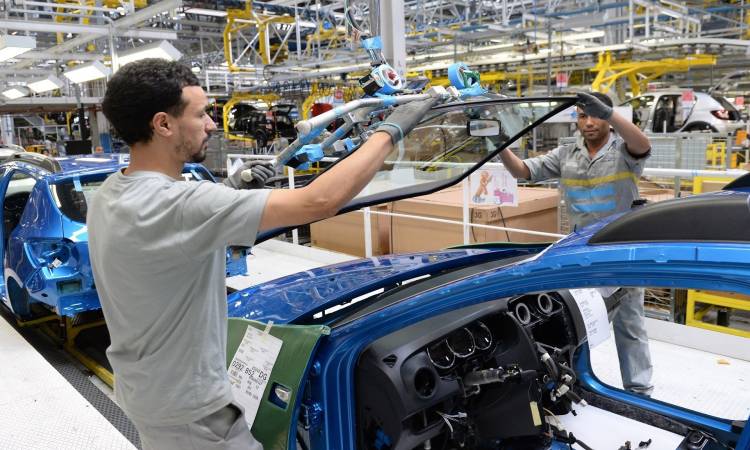
Egypt’s automotive market is undergoing one of its most significant transformations in decades, driven by rising domestic demand, global supply chain shifts, currency fluctuations, and the rapid expansion of local manufacturing initiatives. Amid these changes, Chinese automotive brands have emerged as major winners, steadily increasing their presence across Egypt’s most competitive vehicle segments, including economy sedans, compact SUVs, and electric vehicles.
At the same time, government-backed and private-sector investments in local assembly are accelerating, aiming to reduce import dependency, stabilize pricing, and strengthen Egypt’s position as a regional automotive hub. This shift is taking place within a broader digital transformation of the car-buying experience, led by platforms such as Biddex, which are reshaping how consumers research, compare, and purchase vehicles.
Egypt’s Auto Market Data: Steady Growth and Shifting Demand
Market trends indicate that Egypt’s automotive sector continues to experience structural demand growth, particularly in used and mid-range vehicles. However, import restrictions, currency volatility, and rising vehicle prices have pushed consumers toward more affordable, value-driven alternatives.
Insights from digital automotive platforms such as Biddex highlight several key trends:
- Significant growth in searches for budget-friendly vehicles.
- Increasing demand for Chinese brands and compact SUVs.
- Rising preference for automatic transmission vehicles with lower fuel consumption.
- Higher usage of comparison tools before purchase decisions.
These trends reflect a clear shift toward digital-first decision-making, where consumers rely on online data and comparison platforms rather than traditional dealership visits alone.
Chinese Brand Dominance: BYD, MG, and Chery Lead the Market
Chinese automakers have rapidly strengthened their position in Egypt’s automotive sector by offering a strong balance between price, features, and modern technology. This has allowed them to compete directly with established Japanese and Korean brands.
BYD
BYD has become one of the fastest-growing global players in electric and hybrid mobility. In Egypt, its presence is expanding as demand for electrified vehicles continues to rise, aligning with global EV adoption trends.
MG
MG has captured a strong share of the Egyptian market thanks to its competitively priced vehicles, particularly in the compact SUV and sedan segments, offering strong value for money.
Chery
Chery continues to expand its footprint with a diversified lineup of SUVs and sedans, focusing on affordability, warranty coverage, and feature-rich offerings.
Together, Chinese brands are steadily increasing their market share in Egypt, especially in the sub-$20,000 to $30,000 segments, which represent the largest portion of consumer demand.
Local Assembly Expansion: Volkswagen and BYD Investments
Egypt is witnessing a strategic shift toward local vehicle assembly and manufacturing as part of broader industrial development plans aimed at reducing import dependence and improving pricing stability.
Volkswagen $240 Million Investment
Volkswagen is advancing regional expansion strategies that include assembly and production investments valued at approximately $240 million, reflecting growing interest from European automakers in Egypt as a potential manufacturing hub.
BYD Manufacturing Expansion
BYD is also pursuing localized assembly strategies to support its global EV expansion, with a focus on emerging markets like Egypt where electric mobility is gaining traction.
Local assembly is expected to:
- Reduce vehicle pricing pressure.
- Lower import and logistics costs.
- Increase product availability and model variety.
- Strengthen local supply chains.
EV Transition: Egypt Targets Electric Vehicle Production
Egypt is actively moving toward electric mobility adoption as part of a long-term strategy to modernize transportation infrastructure and reduce reliance on fossil fuels.
Key developments include:
- Encouraging investment in EV assembly and manufacturing.
- Expanding national charging infrastructure.
- Incentivizing global EV manufacturers to enter the local market.
- Supporting government-led initiatives for industrial localization.
Electric and hybrid vehicles are expected to see gradual growth in adoption, particularly in urban centers where fuel efficiency and sustainability are becoming increasingly important.
Digital Marketplaces Like Biddex Reshaping Car Buying
The Egyptian automotive market is undergoing a digital transformation, with platforms like Biddex playing a central role in modernizing the car-buying journey.
Key platform functions include:
- Structured online vehicle listings with transparent data.
- Advanced car comparison tools.
- Market-based pricing insights.
- Pre-purchase vehicle inspection services.
- Financial tools such as car loan calculators.
This digital shift is helping:
- Reduce information asymmetry between buyers and sellers.
- Increase transparency in vehicle pricing.
- Accelerate decision-making processes.
- Replace traditional browsing behavior with data-driven evaluation.
Consumer Trends from Biddex Search Data
Search and behavioral data from digital automotive platforms such as Biddex reveal clear shifts in Egyptian consumer preferences:
- Increasing demand for fuel-efficient and budget-friendly vehicles.
- Strong growth in interest in Chinese automotive brands.
- Higher preference for compact SUVs over traditional sedans.
- Rising demand for automatic transmission vehicles.
- Growing interest in financing and installment-based purchases.
These trends indicate that Egyptian consumers are becoming more value-oriented, prioritizing long-term ownership costs, features, and financing flexibility over brand loyalty alone.
Conclusion
Egypt’s automotive market is undergoing a multi-layered transformation driven by rising Chinese brand dominance, expanding local assembly initiatives, and accelerating EV adoption. At the same time, digital platforms like Biddex are fundamentally reshaping how consumers interact with the market by introducing transparency, data-driven insights, and end-to-end digital tools.
As these forces converge, Egypt is moving toward a more modern, competitive, and digitally enabled automotive ecosystem—one that is increasingly shaped by technology, localization, and evolving consumer behavior.