Electric Cars in Egypt 2026: Pros, Cons & Buying Guide
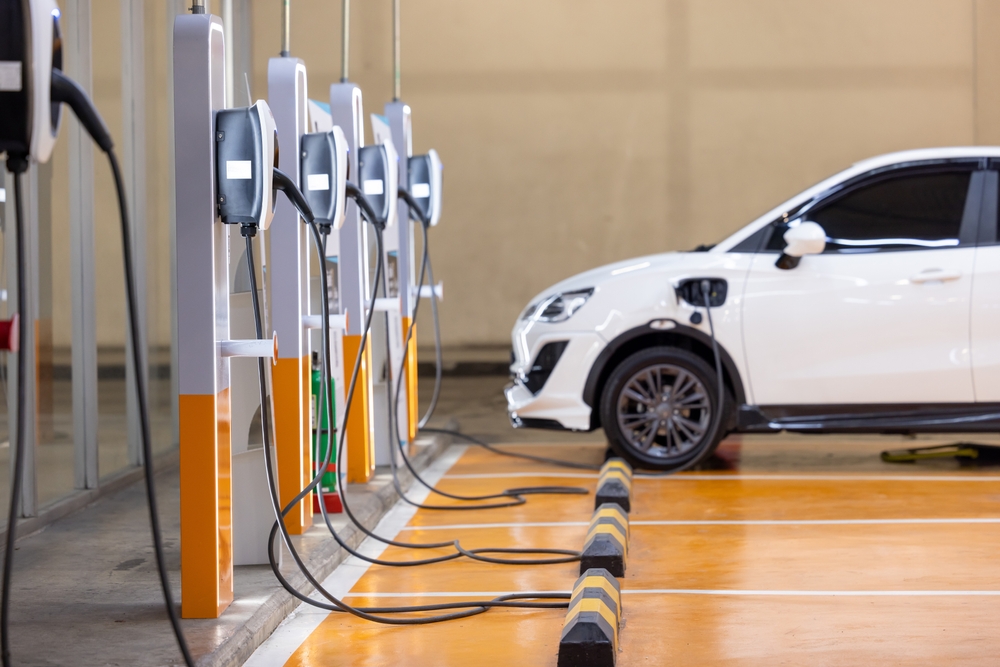
Automotive markets worldwide and locally are undergoing a structural shift toward clean energy solutions, accelerated by rising conventional fuel prices and growing environmental awareness.
In Egypt, electric vehicles (EVs) have emerged as a prominent alternative to traditional combustion-engine cars. However, evaluating their economic and practical viability requires a comprehensive review of operating costs, charging infrastructure, and daily utility.
Purchasing an electric vehicle involves more than upfront acquisition costs; it requires analyzing long-term running expenses, battery capacity, charging availability, and daily driving patterns across urban commutes and highway journeys.
Key Advantages of Electric Vehicles
EVs offer a compelling package of financial, mechanical, and ecological benefits that attract modern car buyers:
- Substantial Fuel Cost Savings: Charging an electric vehicle is significantly cheaper than refueling with gasoline, translating into major annual savings.
- Reduced Maintenance Expenses: With significantly fewer moving mechanical parts, EVs eliminate the need for routine oil changes, spark plugs, and complex engine servicing.
- Instantaneous Torque and Performance: Electric motors deliver maximum torque from a standstill, providing immediate, smooth, and highly responsive acceleration.
- Whisper-Quiet Cabin Comfort: The absence of combustion engine noise and vibration creates an exceptionally serene driving environment.
- Zero Direct Tailpipe Emissions: EVs produce no direct exhaust emissions during operation, significantly helping reduce urban air pollution.
- Extended Battery Warranties: Manufacturers typically provide comprehensive battery warranties ranging from 8 to 10 years, offering long-term peace of mind.
Challenges and Disadvantages of EVs
Despite their numerous benefits, electric vehicles face distinct operational hurdles within the Egyptian market:
- Higher Initial Purchase Price: Upfront acquisition costs for EVs remain higher than comparable internal combustion engine models.
- Limited Public Charging Infrastructure: Although growing, charging stations remain largely concentrated in Greater Cairo, Alexandria, and select new urban developments.
- Extended Charging Durations: Replenishing an EV battery takes significantly longer than pumping conventional fuel, requiring lifestyle adjustments for long-distance travel.
- Residential Charging Hurdles: Residents living in multi-story apartment buildings without designated parking spots or wall-box installations face challenges regarding overnight charging.
- Environmental Sensitivity: Extreme heat or cold conditions, intensive air conditioning usage, and aggressive driving styles can impact battery efficiency and real-world driving range.
Comparative Overview: EVs vs. Traditional Fuel Cars
- Operating Costs: Extremely low for EVs; high and fluctuating for conventional cars.
- Maintenance Complexity: Minimal and infrequent for EVs; regular and higher-cost for traditional vehicles.
- Infrastructure Readiness: Expanding EV charging networks versus ubiquitous fuel stations.
- Digital Integration: Advanced connected software and over-the-air updates standard on modern EVs.
Is an EV Right for Your Driving Profile in Egypt?
An electric vehicle serves as an ideal investment if your lifestyle aligns with the following conditions:
- Residing in Greater Cairo, Alexandria, or major new residential cities.
- Having access to a dedicated, secure home parking space suitable for a wall-box charger.
- Maintaining daily commuting distances well within standard battery capacities (under 150 km per day).
Conversely, buyers who frequently undertake long-distance intercity travel without route planning may find traditional powertrains more practical in the interim.
Affordable Electric Car Options in Egypt
The local market features accessible entry-level EV models designed to lower acquisition barriers:
- Geely EX2: Starting at approximately EGP 750,000.
- Dongfeng Box: Starting at approximately EGP 770,000.
- Arcfox T1: Starting at approximately EGP 925,000.
Electric vehicles represent the definitive future of the automotive industry both globally and in Egypt, combining exceptional operational savings with refined comfort and zero-emission driving.
Making the right purchasing decision depends heavily on aligning personal driving habits, daily commuting distances, and home charging accessibility with the realities of current market infrastructure.