Electric Mobility Revolution: UAE Leads the Gulf Toward a Sustainable Future
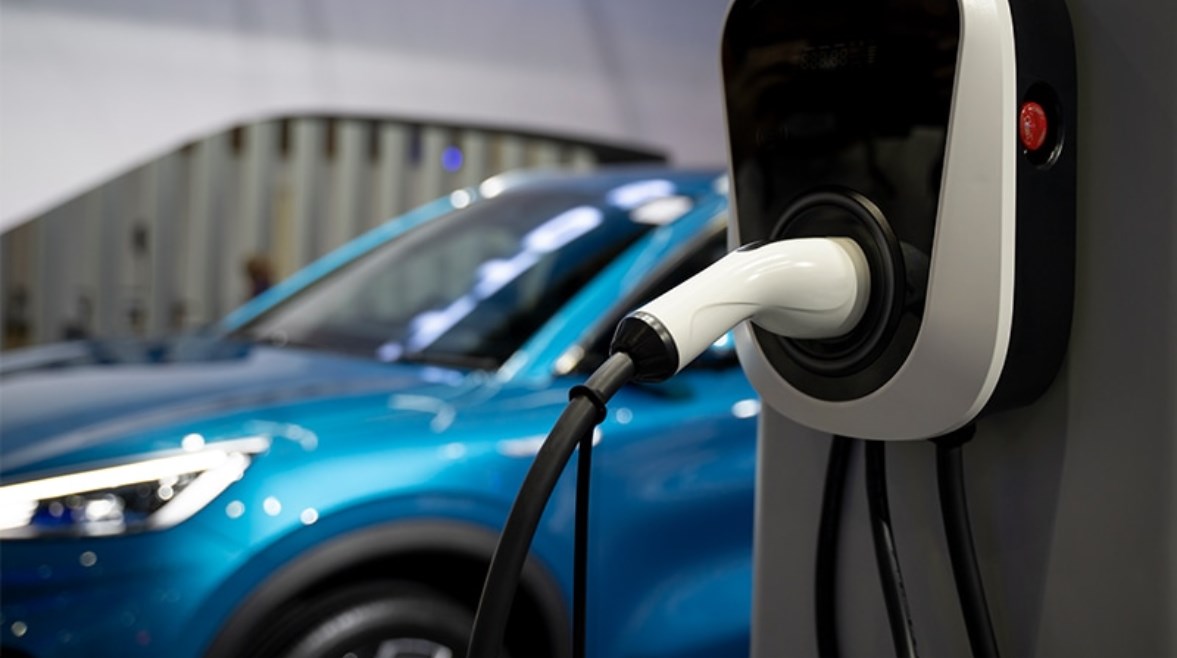
The automotive industry and sustainable mobility technology sector in the Middle East are witnessing radical transformations that are reshaping the future of transportation.
The transition toward electric vehicles (EVs) is no longer merely a choice of environmental luxury, but rather a strategic path embraced by both major and emerging nations.
In this context, recent specialized global automotive reports revealed qualitative leaps recorded in regional markets, with the United Arab Emirates taking the lead in the Gulf region regarding readiness and integrated infrastructure for electric mobility, backed by ambitious visions and massive investments that are reshaping the regional automotive landscape.
UAE Leadership Confirmed by Global Readiness Indices
Reaffirming its leading position as an investment, economic, and technological hub in the region, the UAE successfully captured the top spot among Gulf Cooperation Council (GCC) markets in the "Global Electric Mobility Readiness Index - GEMRIX 2026," issued by the prominent global consulting firm Arthur D. Little.
The country achieved a distinguished milestone by ranking 22nd globally with a total score of 53 points. This advanced position reflects the fruits of proactive efforts and policies adopted by the government to establish a regulatory and legislative environment supportive of the clean vehicle industry, making the UAE market the most attractive destination for major global and local companies operating in the electric and hybrid vehicle sector.
Deconstructing Success: Ecosystem Integration Outshines Technology Alone
The GEMRIX 2026 report offers a deep analytical reading of the global EV industry, explaining that success and speed in adopting this technology are increasingly tied less to the vehicle's own technological advancement and more heavily reliant on the integration of a supportive ecosystem.
This ecosystem includes vital elements such as charging infrastructure, incentive-driven government policies, flexible regulatory frameworks, and the total cost of vehicle ownership.
This integration explains the widening gaps and differing growth paces of EV adoption across global markets. While growth accelerates in supportive environments, it slows in markets facing structural gaps.
Global Landscape: China and Norway Lead with Divergent Growth Paths
Globally, the report highlights the remarkable superiority of both China and Norway, which have successfully crossed the critical threshold to achieve full parity between electric vehicles and traditional internal combustion engine (ICE) vehicles.
China led the list with 106 points, followed by Norway with 103 points, both surpassing the 100-point mark that reflects total market maturity, while Singapore and the Netherlands followed closely.
Conversely, other global markets are progressing at varied paces; while growth accelerates in Europe, countries like Turkey, Thailand, Vietnam, Indonesia, and Brazil show notable progress through a smart mix of local purchasing power, industrial policies, and support for local manufacturers.
Furthermore, plug-in hybrid and extended-range electric vehicles continue to play a crucial interim role in paving the way toward a complete transition.
Competitive Edge Extends Far Beyond the Vehicle Itself
The report indicates that competitiveness in today's automotive industry extends far beyond vehicle design or engine efficiency. China sets the global benchmark by combining advanced vehicle technology, large-scale manufacturing capabilities, absolute control over battery and component supply chains, software-driven vehicle solutions, expansive charging networks, energy system efficiency, and regulatory incentives. This integration has clearly reflected in the rapid expansion of Chinese automakers into emerging markets, showcasing how cost flexibility, execution speed, and technological integration can outpace traditional legacy brands.
Record Numbers and Unprecedented Future Ambitions in the UAE
Turning back to the UAE market, numerical data reveals a true breakthrough: electric vehicles accounted for a significant share of about 9% of total new vehicle sales during 2025.
This share included between 6% and 8% for pure battery electric vehicles (BEVs), compared to 2.5% for plug-in hybrid electric vehicles (PHEVs).
Concurrently, the charging infrastructure sector witnessed exceptional expansion, with the number of available charging points jumping to approximately 2,800 smart-distributed units, including roughly 1,250 fast DC charging points and 350 high-power units.
The UAE's ambitions do not stop here, extending toward long-term sustainable national strategies aiming for electric and hybrid vehicles to make up 50% of total vehicles on the roads by 2050. Locally, Dubai targets raising the share of electric vehicles in its total fleet to over 15% by 2030, reflecting the country's profound commitment to forging a clean and sustainable future for transportation.
The Global Electric Mobility Readiness Index 2026 report serves as a clear roadmap for the future of the automotive sector regionally and globally.
With the UAE leading the Gulf and securing a firm place on the global map of sustainable mobility, it becomes ever clearer that the success of the automotive industry is no longer governed by traditional fuel, but by the ability of nations to build smart, integrated ecosystems that embrace modern technology, provide robust infrastructure, and support innovation—qualities the UAE exemplifies on its path toward a cleaner, more sustainable future.