
​
Home
Financing

19225

Logo

Get the app

Cars

buy a car
Import Cars
Discover new Cars
Discover used Cars

Services

Market Price
Comparison
Inspection
Insurance
News

About Biddex

About Us
How It Works?
FAQs
Terms and conditions
Privacy Policy

Contact Us

19225

Support@Biddex.com

© 2026 Biddex. All Rights Reserved.

The Trademark BIDDEX Is Owned by Euro Tech.
Home
Real States NEWS
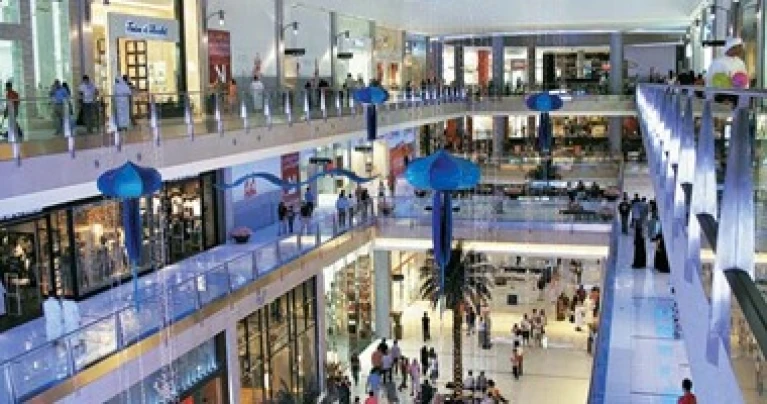
Have commercial malls surpassed their traditional role as shopping centers?

Have commercial malls surpassed their traditional role as shopping centers?

Published in
Tuesday 22 July 2025
Have commercial malls surpassed their traditional role as shopping centers?

In modern cities, commercial malls are no longer just places for shopping; they have transformed into vibrant centers for entertainment, social gathering, and even work, making them an integral part of the urban fabric. This transformation reflects a deeper understanding of consumer needs, who seek integrated experiences beyond merely purchasing products. From New Cairo to Sheikh Zayed, modern malls have become multi-use destinations attracting millions of visitors annually, making them tremendous investment opportunities for those seeking stable returns and long-term growth. Let's explore how these centers have evolved, what opportunities they offer, and how they affect the real estate value of surrounding areas.

What factors drive the evolution of modern commercial malls?

The commercial malls sector is undergoing evolution driven by several key factors reflecting changes in consumer behavior and urban planning:

  • Changing Consumer Habits: Consumers no longer seek only shopping but a comprehensive experience that includes entertainment, dining, and social facilities. Modern malls respond to this demand by offering a wide range of activities.
  • Population Growth in New Cities: Areas like New Cairo and Sheikh Zayed Cairo are experiencing rapid population growth, creating an increasing need for shopping and service centers to meet the needs of these communities.
  • Shift towards Experiential Retail: Malls now focus on providing unique experiences that cannot be obtained through online shopping, such as live events, interactive displays, and innovative play areas.
  • Technology Integration: The use of smart technology to enhance visitor experience, from indoor navigation apps to advanced electronic payment options and smart parking management systems.
  • Diversity in Food & Beverage (F&B): Restaurants and cafes have become an essential component in malls, occupying large spaces and attracting visitors for diverse dining experiences.
  • Strategic Location: Mall locations are carefully chosen to ensure easy accessibility from major population centers and via an advanced road network.

These factors combined ensure that commercial malls remain vibrant and attractive destinations for investment and visitation.

How do commercial malls affect the value of surrounding properties?

Commercial malls have played a crucial role in enhancing the real estate value of their surrounding areas for several reasons:

  • Increased Residential Demand: The presence of a large commercial mall provides residents with all their needs for services, shopping, and entertainment just steps away, making nearby residential areas more attractive for living. This increases demand for residential units in districts like Hyde Park New Cairo or neighboring residential areas in Sheikh Zayed Cairo.
  • Attracting Other Investments: Commercial malls attract additional investments in other sectors such as hotels, administrative offices, and medical facilities, creating an integrated economic environment and boosting the overall growth of the area.
  • Job Creation: Malls are a major source of job opportunities in the retail, hospitality, and service sectors, contributing to the economic growth of the area and increasing its attractiveness.
  • Improved Infrastructure: Large malls are often accompanied by improvements in their surrounding infrastructure, such as road widening, transportation network upgrades, and public service development, which benefits property values.
  • Entertainment and Leisure: Malls offer diverse entertainment options for families and individuals, making the area more vibrant and appealing for leisure time, thereby increasing the value of nearby residential properties.

In short, commercial malls act as catalysts for urban development, positively reflecting on the value of properties in their vicinity.

What types of investment opportunities are available within commercial malls?

Commercial malls offer diverse investment opportunities that go beyond merely purchasing a retail unit. Investors can explore the following:

  • Purchasing Retail Units: This is the most common form, where an investor buys a retail shop or kiosk within the mall with the aim of leasing it to brands or small businesses, or operating their own business.
  • Investing in Food & Beverage (F&B) Units: Due to the increasing demand for dining and beverage options, F&B units within malls are highly profitable investments, especially in strategic locations with high foot traffic.
  • Entertainment Units: Investing in arcades, cinemas, or children's entertainment centers within malls can generate high returns, especially as these facilities attract large numbers of visitors.
  • Administrative and Medical Units: Some modern malls include floors dedicated to administrative offices or medical clinics, providing investment opportunities for businesses and healthcare services.
  • Partnerships in Mall Management: For large investors, opportunities may arise to participate in the ownership or full management of malls, granting them a share of the mall's total revenues.

Each of these investment types requires a deep understanding of the target market, but all benefit from the continuous flow of visitors to the malls.

Does investing in commercial malls differ from residential investment?

Yes, investing in commercial malls fundamentally differs from investing in residential real estate, requiring a different understanding of the market, risks, and returns:

  • Return on Investment (ROI): Commercial unit rental yields are typically higher than residential ones, but they can be more volatile and largely depend on the overall economic performance and operational success of the mall.
  • Risks: Commercial investment may carry slightly higher risks. For example, if the mall does not achieve expected success or faces strong competition, rental values and unit value might be affected.
  • Management: Commercial units require more specialized management, including dealing with complex commercial lease agreements, specialized maintenance, and potentially higher maintenance fees.
  • Lease Duration: Commercial lease agreements are usually longer than residential ones, providing greater income stability.
  • Target Audience: While residential investment targets individuals and families, commercial investment targets businesses and brands seeking to reach a specific customer base.
  • Added Value: The value of commercial units is affected by factors such as location within the mall, visitor traffic, and the type of neighboring brands.

Therefore, it is advisable to seek the assistance of a real estate office specialized in commercial real estate to provide appropriate advice for this type of investment.

How can a real estate office guide you in mall investments?

A real estate office plays an invaluable role in guiding investors looking to enter the commercial malls market. Given the complexity of this market, specialized expertise is essential. The office conducts a comprehensive market analysis, including evaluating the performance of different malls, studying occupancy rates, types of tenants, and average rents.

Additionally, the office can provide vital information about future development plans for malls and surrounding areas (such as population growth in Sheikh Zayed Cairo or New Cairo), helping the investor make a strategic decision. The office is also capable of negotiating the best contractual terms with mall management or developers, including lease terms, unit purchases, and clauses related to maintenance and marketing. This comprehensive expertise protects your investment and increases your chances of achieving profits in this vital sector.

Do commercial malls affect the attractiveness of areas like Ras El Hekma?

Absolutely, commercial malls are a vital component in increasing the attractiveness of areas like Ras El Hekma North Coast. While natural beauty and beaches are the primary attraction, the presence of integrated commercial malls transforms these destinations from mere seasonal resorts into year-round tourist and entertainment hubs. These malls offer upscale shopping, entertainment, and dining options that elevate the experience for both visitors and residents.

Their presence also encourages extended stays, attracts wider segments of visitors, and supports the growth of property prices for residential and tourist units in the area. Investors who view Ras El Hekma as a global tourist destination see these malls as evidence of complete infrastructure and services, making investment in the area safer and more appealing.

Frequently Asked Questions About Investing in Commercial Malls

Q1: What is the average ROI for commercial units in malls? A1: The average varies based on location, unit size, commercial activity type, and mall brand strength, but it's typically higher than residential units and can range from 8-15% or more annually.

Q2: Are new commercial malls better for investment than older ones? A2: Not necessarily. New malls usually offer modern designs and advanced facilities. However, older malls might be in prime locations with stable customer traffic and lower risks. The choice depends on a thorough analysis.

Q3: What are the main risks of investing in commercial malls? A3: Key risks include: intense competition, fluctuating visitor numbers, changes in consumer behavior (like the shift to online shopping), and sometimes high maintenance and operating costs.

Q4: Can a commercial unit be leased without a well-known brand? A4: Yes, but having a well-known brand increases the unit's attractiveness and enhances its chances of being leased with higher returns. A real estate office can help connect you with potential tenants.

Q5: How does location within a mall affect the value of a commercial unit? A5: Location within a mall has a significant impact; units near main entrances, escalators, food courts, or entertainment facilities are often higher in value and more appealing to tenants and visitors.