
© 2026 Biddex. All Rights Reserved.
The Trademark BIDDEX Is Owned by Euro Tech.
© 2026 Biddex. All Rights Reserved.
The Trademark BIDDEX Is Owned by Euro Tech.
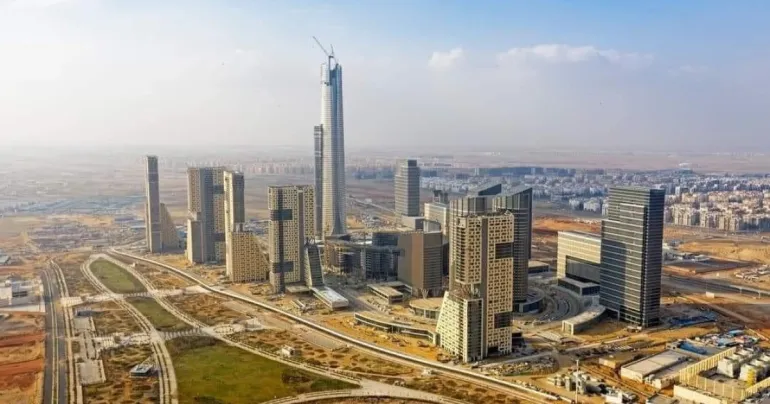
In recent years, Egypt has faced increasing economic challenges due to global and local factors, leading to a sharp rise in inflation rates. For both citizens and investors, protecting the value of money has become a pressing concern. Among the many sectors affected by inflation, real estate has consistently proven to be a resilient and reliable investment. The Egypt real estate ability to absorb inflation has been a subject of growing interest, as the market shows signs of maintaining stability even when other sectors suffer. Real estate in Egypt has always been a preferred choice for safeguarding wealth, not only because of its tangible nature but also due to the constant demand for housing, commercial spaces, and infrastructure projects. With population growth exceeding 100 million and continuous government efforts to develop new cities, real estate is positioned as a strong shield against inflation. This article will explore how the Egyptian property market absorbs inflation, the factors supporting its resilience, and why it remains one of the safest investment options today.
The question of whether real estate can effectively absorb inflation is central to understanding the Egyptian market. Historically, the property sector has shown strong resistance to economic fluctuations, and the Egypt real estate ability to absorb inflation is evident in multiple ways:
Moreover, real estate serves as a dual benefit: it protects capital while generating income through rentals. Investors often prefer properties in prime urban areas where demand remains steady, ensuring long-term appreciation. With these factors combined, real estate in Egypt does not just resist inflation — it transforms inflationary pressures into opportunities for financial growth.
When discussing the Egypt real estate ability to absorb inflation, it is important to highlight the market’s adaptability. Real estate prices in Egypt are highly responsive to inflationary trends, which in turn benefits investors by preserving their purchasing power.
Another factor is Egypt’s strong cultural preference for real estate. Families often prioritize buying property over other investments, creating steady demand even in uncertain times. As a result, the sector continues to show resilience and becomes a powerful shield against inflationary pressures, making it an attractive market for both local and international investors.
Government intervention plays a significant role in strengthening the Egypt real estate ability to absorb inflation. Over the past decade, authorities have launched extensive infrastructure projects and urban expansions that directly enhance property values.
Additionally, the government promotes mortgage finance initiatives, which increase affordability for buyers and stimulate demand. These policies do not just stabilize the market, but also reinforce real estate as a preferred inflation hedge. By maintaining investor confidence, government action ensures that the sector continues to thrive despite inflationary challenges.
One of the strongest factors supporting the Egypt real estate ability to absorb inflation is the ever-growing demand for housing and commercial property. With a population surpassing 100 million, the need for housing is not only constant but rapidly increasing.
Even during times of inflation, the desire to own property strengthens, as people prefer to invest in assets that will hold or grow in value rather than keeping money in unstable forms. This persistent demand ensures that the market remains strong, providing stability and encouraging long-term growth.
For decades, real estate has been regarded as a safe haven during economic uncertainty. In the current climate of rising prices and inflation, the Egypt real estate ability to absorb inflation continues to prove itself. Unlike volatile assets such as stocks or currencies, property provides a sense of stability that investors seek in times of crisis.
What makes real estate even more attractive is its ability to combine safety with profitability. Investors not only preserve their capital but also achieve long-term growth. In Egypt, where cultural values emphasize property ownership, the demand remains strong regardless of inflationary pressures. This combination of security, demand, and appreciation is why real estate continues to stand out as one of the most trusted forms of investment during inflationary periods.
Inflation does not impact all regions in the same way, which is why analyzing the Egypt real estate ability to absorb inflation requires looking at both established cities and new urban developments.
This geographic diversity creates flexibility for investors. Those seeking steady, immediate returns may prefer properties in central urban hubs, while long-term investors may choose new cities that promise high value appreciation as infrastructure develops. This balance strengthens the overall Egyptian real estate market, ensuring it can absorb inflation across various regions and investor needs.
A common misconception is that only large companies or wealthy individuals can benefit from the Egypt real estate ability to absorb inflation. In reality, opportunities are open to individual investors as well.
This accessibility is what makes Egyptian real estate unique. Even middle-income families see property ownership as both a financial safeguard and a long-term investment. Inflation often encourages individuals to move their savings into real estate, knowing that prices will rise and assets will retain value. This inclusivity strengthens demand across all market levels and reinforces real estate as the ultimate inflation hedge.
Several key factors explain why the Egypt real estate ability to absorb inflation remains strong.
These factors combine to make the Egyptian property market resilient and attractive to both local and international investors. While inflation can disrupt many sectors, real estate continues to provide stability, capital preservation, and growth opportunities. This unique combination ensures that real estate remains a cornerstone of financial security in Egypt.
The Egyptian property market stands as a reliable shield in an era of economic instability. The Egypt real estate ability to absorb inflation is not just a theory but a reality proven through constant demand, government support, and cultural trust in property ownership. Whether in established cities or emerging new urban areas, real estate continues to protect wealth and generate returns. For both large investors and individuals, the market offers opportunities to safeguard savings, achieve growth, and navigate inflation with confidence. In short, real estate in Egypt remains one of the safest and most rewarding investments during times of inflation.
1. How does the Egypt real estate ability to absorb inflation protect investors?
Real estate values in Egypt typically rise with inflation, which preserves purchasing power and ensures capital protection for investors.
2. Why is real estate considered safer than other investments during inflation?
Unlike cash or stocks, property is a tangible asset that holds long-term value. Rental income also increases with inflation, making it a stable hedge.
3. Do individual investors benefit from the Egypt real estate ability to absorb inflation?
Yes, individual investors can take advantage through small unit purchases, flexible installment plans, and rental income opportunities.
4. Does inflation affect properties in Cairo differently from new cities like the New Administrative Capital?
Yes, established cities offer price stability due to high demand, while new cities provide affordable entry points with high future growth potential.
5. What factors make Egyptian real estate resilient against inflation?
Population growth, government infrastructure projects, cultural trust in property, and steady demand all strengthen the Egypt real estate ability to absorb inflation.
6. Is real estate still the best long-term investment in Egypt despite rising inflation?
Yes, real estate continues to outperform many sectors, making it one of the most reliable investments for preserving and growing wealth.