
© 2026 Biddex. All Rights Reserved.
The Trademark BIDDEX Is Owned by Euro Tech.
© 2026 Biddex. All Rights Reserved.
The Trademark BIDDEX Is Owned by Euro Tech.
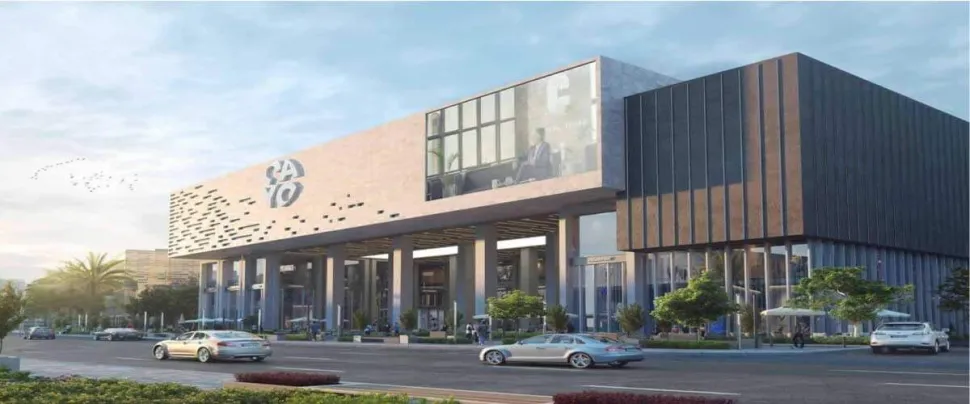
Key Mall in Egypt’s New Administrative Capital blends an active address, smart design, and professional operations—serving retail, office, and medical uses in one place. The project’s flexible unit mix helps brands build strong in-store identities and run lean, low-friction operations. As nearby population density grows and residents rely more on close-to-home services, daily demand expands, making Key Mall a practical choice for stable rental income while protecting asset value. This guide covers location strengths, unit types, circulation and design, operations, payment plans, return outlook, unit selection, and a launch playbook for a strong start.
Location sets performance potential. Key Mall sits near primary arteries linking new residential clusters with business and government zones, cutting travel time for staff, customers, and patients. The address generates daily demand for F&B, retail, services, clinics, and offices near corporate hubs. Street-visible frontages lift brand awareness and walk-ins, while organized parking and nearby transit improve access and repeat visits. As more phases of the Capital open, area footfall intensifies, supporting higher occupancy and resilient rents across Key Mall.
Variety increases success odds. Key Mall offers retail units with extended glass elevations—from compact shops for emerging brands to larger footprints for restaurants, cafés, and fashion. Office floors provide flexible layouts that partition by team size and hybrid work style, with data/power infrastructure and meeting rooms near the core. Medical units follow clinic logic with reception, consultation rooms, waiting areas, and smooth patient circulation. This spectrum lets investors match budget to income potential and helps operators scale without changing address—preserving marketing momentum and reducing relocation costs.
Smart design raises sales without higher ad spend. Key Mall uses wide two-way corridors to handle peaks, with escalators and elevators positioned to minimize bottlenecks. Long glass lines amplify visibility into stores and drive walk-ins. Strategically placed dwell zones extend visit duration and can lift average basket size. Natural light and modular wayfinding make brands easy to find across levels. Office floors enjoy quieter zones for focused work and meetings; clinic areas provide clear routes with fast elevator and parking access. The result is a smooth user journey that encourages repeat visits and improves conversion.
Returns rely on strong operations. Key Mall provides 24/7 security with smart access control and CCTV across entries, corridors, and parking. Preventative maintenance schedules reduce downtime and extend asset life; professional cleaning and waste handling protect the mall’s image. Fiber-ready internet supports cloud POS, video meetings, and office stacks. Central HVAC and balanced ventilation maintain comfort with sensible energy use. A tenant relations team streamlines handover, technical compliance, and approvals, with quick response to requests—boosting tenant satisfaction and lowering vacancy risk.
Financial flexibility eases entry. Key Mall typically offers multi-year installments with accessible down payments and monthly or quarterly schedules, plus potential incentives for partial cash or early settlement depending on release phase. Buyers can select construction-phase pricing for sharper entry points or ready/near-ready units to accelerate fit-out and income. Advisors help match footprint to funding capacity and forecast fit-out and running costs so you can preserve working capital for marketing, staffing, and inventory.
Return potential rests on a strong location, sound operations, and a demanded unit mix. Growing neighborhoods around Key Mall support daily demand for F&B, retail, and healthcare—lifting occupancy and stabilizing rents. Street-visible retail typically commands premiums thanks to exposure and impulse traffic. Offices near business clusters hold occupancy through cycles. As the project matures and awareness grows, resale prospects improve. Layout flexibility lowers concept risk and protects capital—helping investors target stable cash flow while defending asset value.
Start with your target audience and traffic pattern. Convenience retail and QSR should consider locations near main entrances or congregation nodes. Restaurants need strong frontage, extraction-friendly fit-out, and a clear seating plan. Clinics prefer calm zones with quick elevator and parking access. Offices need meeting rooms, robust data points, and acoustic comfort. Check daylight/orientation; verify power, HVAC, plumbing, and data; then model conservative revenue versus monthly installment with a safety margin. This aligns your choice at Key Mall with both operational and financial goals.
Impact begins on day one. Plan a fit-out that expresses your brand and supports an intuitive journey from entry to checkout. Time your opening with intro offers and co-marketing with mall management. Implement dependable POS, inventory control, and KPI dashboards for conversion, average ticket, and queue times. Build a complete digital footprint—Maps listings, social profiles, and online ordering/delivery where relevant. Train staff on service standards and objection handling. In the first weeks, gather feedback and roll out quick fixes to signage, product placement, staffing, and hours. This playbook helps you build repeat traffic at Key Mall.