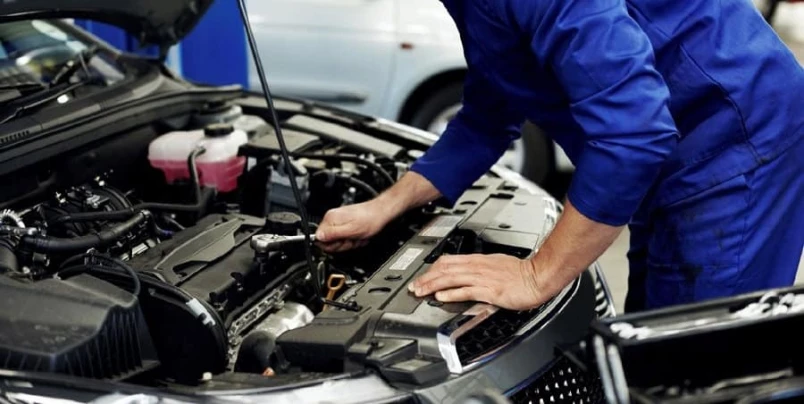
Cars have become an integral part of our daily lives, serving as the primary mode of transportation for many and playing a vital role in facilitating our lives.
However, to maintain a vehicle's performance and safety, regular maintenance is crucial.
In this article, we will discuss the importance of regular car maintenance and how it contributes to improving vehicle performance and extending its lifespan.
What is Regular Maintenance?
Regular maintenance refers to a set of procedures performed on a vehicle at specified intervals or after a certain mileage. These procedures include checking and changing oils, inspecting brakes and tires, cleaning filters, and diagnosing any potential faults.
Importance of Regular Maintenance:
- Maintaining Engine Performance:
- Regularly changing the engine oil ensures proper lubrication of moving parts, maintaining engine efficiency and reducing friction and wear.
- Cleaning the air filter ensures an adequate supply of clean air to the engine, improving combustion and increasing engine power.
- Extending Vehicle Lifespan:
- Early detection and prevention of minor faults contribute to extending the vehicle's lifespan and reducing future repair costs.
- Regular maintenance prevents parts from wearing out prematurely.
- Improving Fuel Efficiency:
- A healthy and well-maintained engine operates more efficiently, leading to reduced fuel consumption.
- Properly inflated tires also contribute to lower fuel consumption.
- Ensuring Safety:
- Properly functioning brakes and tires ensure the vehicle can stop safely at any time.
- Adequate front and rear lighting increases visibility for both the driver and other road users, reducing the risk of accidents.
- Preserving Vehicle Value:
- A well-maintained vehicle retains its market value when selling or trading it in.
- A regular maintenance record serves as proof of the vehicle's good condition.
What Parts Are Checked During Regular Maintenance?
- Engine: Checking engine oil, air filter, spark plugs, belts, hoses, and water pump.
- Cooling system: Checking coolant, radiator, and fan.
- Fuel system: Checking fuel filter, fuel pump, and fuel lines.
- Brakes: Checking brake pads, brake discs, brake fluid, and brake lines.
- Suspension and steering: Checking shock absorbers, steering racks, tie rods, and bushings.
- Tires: Checking tire pressure, wear, and tread.
What Procedures are Included in Regular Maintenance? The procedures involved in regular maintenance vary depending on the vehicle type and mileage, but generally include:
- Checking and changing engine oil and oil filter
- Checking the levels of other vehicle fluids (brake fluid, coolant)
- Inspecting brakes and tires
- Inspecting the steering system
- Inspecting the suspension system
- Cleaning the air filter
- Checking the battery
- Checking lights
- Diagnosing any potential faults
Maintenance Schedule The maintenance schedule varies from vehicle to vehicle and from manufacturer to manufacturer, but it is generally recommended to perform maintenance every 5,000 kilometers or every 6 months, whichever comes first.
Tips for Maintaining Your Vehicle:
- Adhere to the recommended maintenance schedule.
- Pay attention to any unusual noises or smells.
- Check your tire pressure regularly.
- Drive smoothly and avoid sudden acceleration or braking.
- Avoid overloading the vehicle.
In conclusion, regular maintenance is an investment in your safety and the safety of others, as well as preserving your vehicle's value.
By taking care of your car and performing the necessary maintenance, you can enjoy a safe and comfortable driving experience for many years to come.