
© 2026 Biddex. All Rights Reserved.
The Trademark BIDDEX Is Owned by Euro Tech.
© 2026 Biddex. All Rights Reserved.
The Trademark BIDDEX Is Owned by Euro Tech.
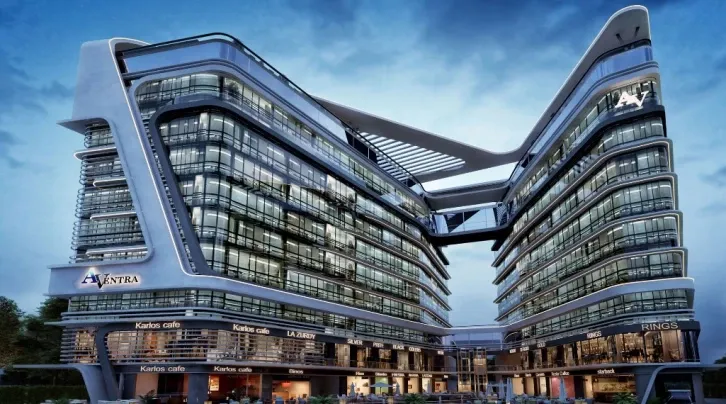
يقدّم مول تداوي العاصمة الإدارية الجديدة نموذجاً متخصصاً في الرعاية الصحية والخدمات الطبية المساندة داخل المدينة الذكية. الفكرة الأساسية هي بناء بيئة علاجية وتشغيلية آمنة وفعّالة تجمع عيادات تخصصية، معامل تحاليل، مراكز أشعة، وصيدليات، إلى جانب منافذ مساندة مثل المستلزمات الطبية والكافيتريات الصحية. هذا التخصص يخلق طلباً يومياً ثابتاً ويمنح المستثمرين وصنّاع الرعاية إطار تشغيل منضبط يقلّل المخاطر ويرفع جودة الخدمة. في هذا الدليل سنغطي مزايا الموقع، وأنواع الوحدات، ومعايير التصميم الطبي، والخدمات التشغيلية، وخطط السداد، وفرص العائد، وكيف تختار الوحدة الأنسب لنشاطك الصحي، وخطوات إطلاق ناجحة داخل مول تداوي العاصمة الإدارية الجديدة.
الموقع جوهري لنجاح المنشآت الطبية بسبب حساسية الوقت وسهولة الوصول. يتمركز مول تداوي العاصمة الإدارية الجديدة قرب محاور رئيسية تربط الأحياء السكنية الجديدة بمناطق الأعمال والجهات الحكومية، ما يضمن وصول المرضى ومرافقيهم بسرعة وأمان. القرب من تجمعات سكنية عالية الكثافة يعني قاعدة مرضى يومية للعيادات العامة والتخصصية، بينما يسهم القرب من المصالح الحكومية والشركات في زيادة الطلب على الفحوصات الدورية وبرامج المتابعة. وجود مواقف سيارات منظمة، ومسارات إسعاف واضحة، ونقاط هبوط/صعود للسيارات الخاصة يقلّل زمن الوصول ويعزّز رضا المرضى. كما أن تموضع مول تداوي بجوار خدمات عامة (صيدليات ليلية، بنوك، مطاعم خفيفة) يساعد المرافقين على قضاء الوقت دون مغادرة الموقع. هذه العوامل مجتمعة ترفع معدلات الحضور في المواعيد وتدعم سمعة المنشأة وتُحسّن النتائج التشغيلية على المدى المتوسط.
يعرض مول تداوي العاصمة الإدارية الجديدة طيفاً متخصصاً من الوحدات الطبية: عيادات خارجية بمساحات مرنة يمكن تقسيمها إلى غرف كشف وإجراءات بسيطة، مراكز أسنان وجراحات يومية محدودة، وحدات علاج طبيعي وتأهيل، عيادات جلدية وتجميل، ومعامل تحاليل ومراكز أشعة (X-Ray/CT/MRI) وفق اشتراطات العزل والسلامة. إلى جانب ذلك، تتوافر صيدليات بنوافذ خدمة سريعة، متاجر مستلزمات طبية، بصريات، ومنافذ أغذية صحية. المساحات تبدأ عادة من وحدات صغيرة للأطباء حديثي التأسيس، وحتى مساحات أكبر لمجموعات طبية متعددة التخصصات. التخطيطات تسمح بممرات منفصلة للمرضى والموظفين قدر الإمكان، مع مناطق انتظار قابلة للتوسع. هذا التنوع يمكّن الطبيب أو المستثمر من اختيار ما يناسب حجم الفريق وخطة التوسع دون تغيير العنوان، ويزيد فرص التكامل بين الخدمات داخل مول تداوي بحيث ينتقل المريض بسهولة بين العيادة، المعمل، والصيدلية في زيارة واحدة.
التصميم في المشاريع الصحية ليس شكلاً جمالياً فقط، بل معايير أمان وجودة رعاية. يعتمد مول تداوي العاصمة الإدارية الجديدة على مسارات حركة تفصل – قدر الإمكان – بين دخول المرضى وخدمة النفايات الطبية، مع نقاط تطهير وتعقيم موزعة بذكاء. الارتفاعات الداخلية تسمح بتركيب تجهيزات تهوية وتكييف بمعايير صحية، مع ضغط هوائي مناسب في غرف الإجراءات البسيطة، وعزل صوتي يحفظ خصوصية الاستشارات. الأرضيات والأسطح المختارة مقاومة للبكتيريا وسهلة التعقيم، بينما تراعي دورات المياه معايير ذوي الإعاقة. كما توضع لافتات إرشادية طبية واضحة باللغتين العربية والإنجليزية لتقليل ارتباك الزوار وتقليل زمن التنقل داخل المول. وجود مخارج طوارئ مُعلّمة جيداً، ونقاط إطفاء، ومسارات إسعاف قرب المداخل يرفع جاهزية الموقع للحالات العاجلة، وهو عنصر تنافسي أساسي لصالح مول تداوي مقارنة بمواقع غير متخصصة.
لأن القطاع الطبي يحتاج ضبط جودة صارماً، يوفّر مول تداوي العاصمة الإدارية الجديدة إدارة مرافق محترفة تشمل: أمن على مدار الساعة مع تحكم في الدخول، كاميرات تغطي الممرات والمداخل، وجدولة صيانة وقائية للتجهيزات العامة. تُوفَّر منظومة لإدارة النفايات الطبية (جمع/تعقيم/تخلص) بالتعاقد مع شركات مرخّصة، وغرف تخزين أدوية مكيّفة وفق المعايير. البنية التقنية تشمل أليافاً بصرية وإنترنتاً عالي الاعتمادية يدعم أنظمة الـEMR/Clinic Software، وحلول حجز ومحاسبة وإصدار فواتير إلكترونية. كما تُجهّز المناطق المشتركة بمولدات بديلة لضمان استمرارية الكهرباء للأجهزة الحساسة. هذه المنظومة تخفّض الأعطال، وتقلّل الأخطاء التشغيلية، وترفع رضا الأطباء والمرضى، ما ينعكس مباشرة على الأداء المالي لوحدتك داخل مول تداوي.
يدرك مطوّرو مول تداوي العاصمة الإدارية الجديدة أن تأسيس منشأة طبية يتطلب سيولة للتجهيز والأجهزة. لذلك تُطرح عادة خطط تقسيط مرنة تمتد لسنوات مع مقدمات مناسبة وأقساط شهرية أو ربع سنوية، ومزايا محتملة للدفع المبكر أو الجزئي النقدي حسب مرحلة الطرح. تتوافر خيارات شراء خلال الإنشاء بسعر دخول تنافسي، إلى جانب وحدات جاهزة أو شبه جاهزة لتسريع الافتتاح وتحصيل الدخل. يساعد فريق المبيعات على مواءمة المساحة مع تخصصك، وتقدير تكاليف التجهيز الطبي (أرضيات مضادة للبكتيريا، شبكات غازات إن وُجدت، وحدات تعقيم)، ووضع جدول للتسليم والتشغيل دون الضغط على الميزانية التشغيلية للعام الأول.
المواقع المتخصصة غالباً ما تحظى بإشغال أعلى واستقرار أكبر. تركّز مول تداوي العاصمة الإدارية الجديدة يخلق بيئة إحالة متبادلة بين العيادات، المعامل، والصيدليات، ما يرفع معدل الاستخدام ويقلّل فترات الفراغ. الطلب على الرعاية الأولية والتخصصات الشائعة (أسنان، جلدية، أطفال، نساء) مستقر عبر الدورات الاقتصادية، بينما تمنح الوحدات ذات الواجهات المميزة وحركة المرور العالية إيجارات أفضل. ومع نضج العاصمة وازدياد الوعي بالموقع، تتحسن فرص إعادة البيع بتقييمات رأسمالية أعلى. قابلية إعادة تهيئة العيادة لتخصص مجاور عند الحاجة تقلّل مخاطر السوق وتحمي رأس المال، وهي ميزة مهمة داخل مول تداوي مقارنة بمولات عامة.
ابدأ بتحديد تخصصك ومسار المريض. العيادات ذات الإقبال العالي تستفيد من القرب من المداخل والمصاعد ومناطق الانتظار، بينما تحتاج مراكز الإجراءات البسيطة إلى غرف أوسع، تهوية خاصة، ومسارات خدمة منفصلة. راجع متطلبات وزارة الصحة/الترخيص من حيث عدد المغاسل، غرف التعقيم، المخازن، ودورات المياه. تحقّق من نقاط الكهرباء والأحمال اللازمة للأجهزة، وإمكانية عمل عزل إشعاعي لوحدات الأشعة إذا لزم. افحص خيارات اللافتات الخارجية والداخلية لضمان وضوح الهوية. أخيراً قارن القسط الشهري بإيرادات متحفظة بناءً على عدد الزيارات المتوقعة وسعر الاستشارة/الخدمة، مع هامش أمان للتقلبات الموسمية. بهذه المنهجية تضمن أن وحدتك داخل مول تداوي تلائم أهدافك العلاجية والمالية.
نجاح الافتتاح يبدأ بخطة محكمة. جهّز عيادتك بمعايير مكافحة العدوى، وحدّد بروتوكولات تشغيل واضحة للفريق. أطلق حملة تعريفية مركزة: خرائط جوجل، صفحات اجتماعية، محتوى تثقيفي قصير، وباقات فحوصات/استشارات بخصومات افتتاحية. نسّق مع إدارة مول تداوي لبرامج توجيه الزوار ولوحات إرشاد تحمل اسم العيادة. اعتمد نظام حجز وإشعارات SMS/واتساب لتقليل التغيب عن المواعيد. راقب مؤشرات الأداء: عدد الزيارات، زمن الانتظار، نسبة العودة، رضا المرضى، ومتوسط الإيراد للزيارة. نفّذ تحسينات سريعة في الأسابيع الأولى على الجدول واللافتات وسير العمل. بهذه الخطوات تبني سمعة مهنية قوية وتحقق نمواً مستقراً منذ البداية.
هل المول مناسب للعيادات المتخصصة فقط؟
يخدم مول تداوي العيادات العامة والتخصصية، إضافة إلى معامل التحاليل والأشعة والصيدليات ومقدمي خدمات التأهيل.
هل تتوفر اشتراطات السلامة ومكافحة العدوى؟
نعم، يشمل التصميم مسارات واضحة، مواد تشطيب قابلة للتعقيم، وأنظمة تهوية وتكييف ملائمة، مع إدارة نفايات طبية مرخّصة.
هل توجد مواقف كافية ومسارات إسعاف؟
يتوافر تنظيم للمواقف ومسارات وصول قريبة للمداخل، مع نقاط مناسبة للطوارئ وفق المعايير.
هل تتوافر خطط دفع مرنة للأطباء؟
عادة نعم، تتنوع بين مقدمات مناسبة وأقساط ممتدة ومزايا للدفع المبكر حسب مرحلة الطرح.
هل يمكن تحويل التخصص لاحقاً؟
مرونة المساحات تسمح بإعادة التهيئة لتخصصات قريبة مع الالتزام بالاشتراطات ذات الصلة.