
© 2026 Biddex. All Rights Reserved.
The Trademark BIDDEX Is Owned by Euro Tech.
© 2026 Biddex. All Rights Reserved.
The Trademark BIDDEX Is Owned by Euro Tech.
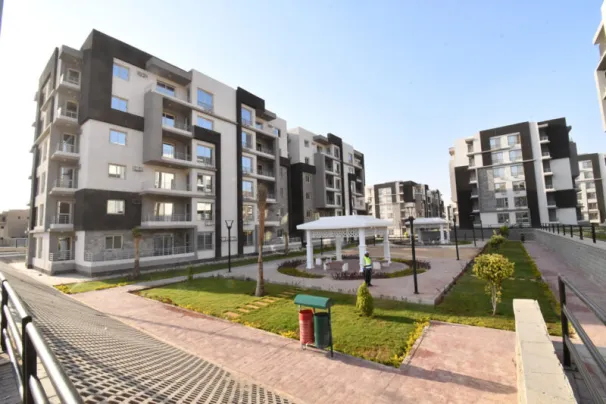
The new social housing projects in Egypt represent one of the most ambitious government initiatives aimed at addressing the housing needs of low- and middle-income citizens. These projects are designed to provide affordable, safe, and well-planned housing units that meet international standards while being financially accessible.
The primary goal is to reduce the housing gap that many Egyptian families face, particularly young people who are starting their lives and cannot afford high real estate prices in the private market. By offering subsidized prices and long-term installment plans, these projects make homeownership possible for a wider segment of society.
Another key objective is to contribute to urban development by distributing these housing projects across newly developed cities. This helps reduce population congestion in central areas like Cairo and Giza while promoting growth in underdeveloped regions. Additionally, these projects are tied to Egypt’s larger urban expansion strategy, which includes the construction of the New Administrative Capital and other satellite cities.
Overall, the new social housing projects in Egypt are not just about providing homes; they are about building sustainable communities that improve living standards, create job opportunities, and foster long-term economic growth.
For young people, owning a home often feels like an impossible dream due to the high costs of private real estate. The new social housing projects in Egypt were launched to directly address this challenge and make housing accessible for younger generations.
One of the most important aspects is affordability. Units are priced below market rates and supported by government subsidies, ensuring that young families and individuals can purchase homes without being overwhelmed by debt. Flexible installment plans, which can extend up to 20 years, give applicants enough time to pay gradually while maintaining financial stability.
In addition, these projects are strategically located in new cities with modern infrastructure. They offer young people a chance to live in communities that are well-connected to main roads, equipped with schools, healthcare facilities, and recreational spaces. This reduces the burden of commuting and enhances overall quality of life.
Furthermore, the government prioritizes youth during allocation, often reserving a significant portion of the units for first-time buyers. This policy reflects a commitment to supporting young citizens in building stable futures.
In summary, the new social housing projects in Egypt empower young people by making affordable housing attainable, providing modern living environments, and helping them secure financial and social stability.
When comparing the new social housing projects in Egypt to private or other government housing initiatives, several unique features stand out that make these projects highly attractive.
Another distinguishing factor is the integration of these projects within Egypt’s broader urban planning strategy. They are not just standalone buildings but part of comprehensive communities with schools, clinics, markets, and recreational areas.
This combination of affordability, quality, and planning makes the new social housing projects in Egypt a reliable and sustainable option compared to private real estate developments that often prioritize profit over community welfare.
Access to the new social housing projects in Egypt is governed by a clear set of conditions to ensure that the units go to the citizens who need them most. These eligibility criteria are designed to prioritize low- and middle-income families while maintaining fairness and transparency in the allocation process.
Key conditions include:
Additionally, priority is often given to special cases such as widows, divorced women with dependents, and families with children. The application process is designed to be transparent, with results published through official channels.
These conditions guarantee that the new social housing projects in Egypt fulfill their purpose: providing secure and affordable housing to those who genuinely need it, while preventing misuse by higher-income groups.
One of the strengths of the new social housing projects in Egypt is their wide distribution across the country. These projects are not limited to Greater Cairo but extend to new urban communities, regional capitals, and even rural areas, ensuring equal opportunities for citizens nationwide.
Key locations include new cities like 6th of October, 10th of Ramadan, New Cairo, Badr City, and the New Administrative Capital. These cities are designed to ease the congestion in Cairo and Giza while offering modern infrastructure and better living standards. In Upper Egypt, projects are being implemented in Assiut New City, Sohag New City, and Minya New City, while Delta regions like Mansoura New City and Damietta are also part of the plan.
The strategic placement of these projects not only provides affordable housing but also promotes balanced regional development. Each site is chosen carefully to be close to schools, hospitals, transportation hubs, and job markets.
By spreading out the new social housing projects in Egypt across different regions, the government ensures that housing opportunities are accessible to all Egyptians, not just those in the capital.
Applying for the new social housing projects in Egypt is a straightforward but structured process managed by the Social Housing and Mortgage Finance Fund. The aim is to make applications transparent and accessible for all eligible citizens.
The process begins with purchasing the official booklet (Korasat Al-Shorout) from post offices nationwide. This booklet provides detailed information on eligibility criteria, unit locations, payment plans, and required documents. Applicants then fill in the forms, attach their documents, and pay the initial deposit.
The next step involves registering online through the official portal of the Social Housing Fund. This digital process makes it easier for applicants across Egypt to apply without traveling to government offices. After submission, applications are reviewed, and results are announced publicly, ensuring transparency.
Priority is usually given to families, youth, and special cases such as widows or people with disabilities. Successful applicants are then guided through the financing and installment process.
By making the procedure clear and systematic, the new social housing projects in Egypt allow citizens to participate in a fair and transparent system that provides real housing opportunities.
The new social housing projects in Egypt are designed to meet the financial and lifestyle needs of different families, which is why unit sizes and prices are flexible.
Typical unit sizes range from 75 square meters (suitable for small families or individuals) up to 120 square meters (designed for larger families). Each unit includes bedrooms, living spaces, a kitchen, and bathrooms, all built with modern standards and basic finishes.
Prices vary depending on location, size, and facilities, but they remain significantly lower than private sector housing. Units often start at prices below market value, with the government covering part of the cost through subsidies. In addition, long-term installment plans — sometimes extending up to 20 years — make the payments affordable for low- and middle-income households.
These financial options make it possible for thousands of Egyptian families to own homes without the heavy financial burden typically associated with real estate.
By offering flexible unit sizes and reasonable prices, the new social housing projects in Egypt succeed in balancing affordability with quality, ensuring that every citizen can find a suitable housing option.
Beyond being affordable homes, the new social housing projects in Egypt are also seen as attractive investment opportunities. With Egypt’s rapid urban expansion, property values in new cities are expected to rise significantly over the next decade.
Investors who purchase units in these projects often benefit from steady appreciation in value, especially as surrounding infrastructure develops. Locations near the New Administrative Capital, New Cairo, and other major hubs are particularly promising.
Moreover, the strong demand for affordable housing ensures consistent rental opportunities. Many investors buy units in these projects with the intention of renting them out, generating stable income streams.
Another factor is government backing. Since these projects are part of the national housing strategy, they carry lower risks compared to private developments, making them more secure for long-term investment.
In short, the new social housing projects in Egypt serve a dual purpose: they provide affordable housing for citizens while also offering reliable investment potential for buyers who wish to capitalize on Egypt’s growing real estate market.
The new social housing projects in Egypt are more than just housing initiatives — they are part of a comprehensive vision to improve living standards, promote urban expansion, and support economic growth. With affordable prices, flexible financing, strategic locations, and government support, these projects address the needs of low- and middle-income families while also presenting strong investment opportunities.
For young people, families, and even investors, these projects represent a turning point in Egypt’s real estate market. By ensuring fairness, transparency, and accessibility, the government has created a housing program that not only solves immediate housing problems but also builds sustainable communities for the future.
Q: What are the main goals of the new social housing projects in Egypt?
A: The primary goal is to provide affordable housing for low- and middle-income citizens, reduce overcrowding in major cities, and promote balanced urban development across the country.
Q: Who is eligible to apply for the new social housing projects in Egypt?
A: Eligible applicants include youth, newly married couples, families, widows, and people with disabilities, provided they meet the income and age requirements outlined by the Social Housing Fund.
Q: How can I apply for the new social housing projects in Egypt?
A: Applications can be submitted by purchasing the official booklet from post offices, completing the forms with the required documents, paying the deposit, and registering online through the official portal.
Q: What are the unit sizes and prices in the new social housing projects in Egypt?
A: Unit sizes typically range between 75 and 120 square meters, with prices kept below market value thanks to government subsidies. Long-term installment plans are available for easier payment.
Q: Are the new social housing projects in Egypt a good investment?
A: Yes, these projects are considered a safe investment due to their affordable entry price, high rental demand, and the potential for property values to increase as surrounding infrastructure develops.
Q: Where are the new social housing projects in Egypt located?
A: They are spread across many cities including 6th of October, 10th of Ramadan, Badr City, New Administrative Capital, Mansoura New City, and various Upper Egypt locations.