
© 2026 Biddex. All Rights Reserved.
The Trademark BIDDEX Is Owned by Euro Tech.
© 2026 Biddex. All Rights Reserved.
The Trademark BIDDEX Is Owned by Euro Tech.
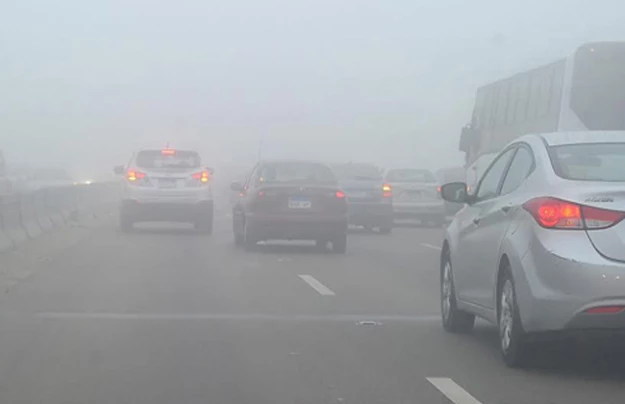
Fog is a natural phenomenon that can significantly impact driving, as it reduces visibility considerably, increasing the likelihood of accidents. Therefore, it is essential for drivers to follow a set of tips and guidelines to ensure their safety and the safety of others on the road.
In this report, we will outline the most important tips for safe driving during foggy conditions, with explanations for each point.
Use of Headlights
One of the most important tips for driving in fog is to use both front and rear headlights. Drivers should turn on their lights at all times, even during the day, as fog significantly reduces visibility.
It is recommended to use low beams instead of high beams, as high beams can create reflections that make it harder to see. Additionally, ensure that rear lights are functioning properly to warn other drivers of your presence.
Reduce Speed
Driving at a lower speed is crucial for ensuring safety in foggy conditions. Drivers should significantly reduce their speed, as high speeds can hinder the ability to react to changing road conditions.
It is advisable to maintain a safe distance between vehicles to allow for stopping in case of emergencies.
Open Windows with Caution
Opening windows while driving in fog can help reduce humidity inside the vehicle. However, this should be done cautiously. If the fog is too thick, opening the windows can allow moisture to enter, affecting visibility.
It is better to use the air conditioning to manage humidity inside the car without opening the windows.
Increase Your Focus
Drivers need to increase their level of focus while driving in fog. Fog can be unpredictable, and hazards may appear suddenly. It is advised to avoid distractions such as mobile phones or conversations with passengers.
Ensure that your full attention is on the road and your surroundings.
Use of Emergency Triangle
In case of any issues on the road, such as a vehicle breakdown or an accident, using an emergency triangle is essential. This safety triangle serves to alert other drivers to the presence of danger.
It is preferable to place it at least 30 meters away from the vehicle, giving other cars a chance to avoid a collision.
Avoid Overtaking
Overtaking during foggy conditions is a risky practice that should be avoided. Visibility may not be sufficient to determine whether the road is clear or if there are oncoming vehicles.
It is advisable to wait until visibility improves before making a decision to overtake. Staying in the correct lane while maintaining a safe distance is the safest option.
Use Navigation Systems
Utilizing navigation systems or driving assistance applications can be very helpful during fog. These systems provide accurate information about road conditions, assisting drivers in making informed decisions.
It is advisable to activate the navigation system before starting the journey to ensure that you are not distracted while driving.
Use Warning Signals
It is important to use warning signals, such as hazard lights, while driving in fog. These signals alert other drivers to your presence on the road and help increase safety. They should be used, especially in cases of sudden stops or if there is danger.
Driving in fog presents significant challenges that require awareness and focus. By following the tips and guidelines outlined above, drivers can reduce the risks of accidents and ensure their safety and that of others on the road.
Always remember that safety comes first, and driving with caution and awareness is key to avoiding potential hazards during adverse weather conditions.