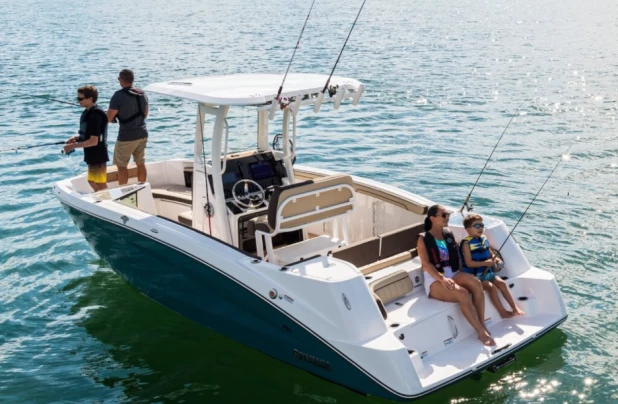
تعتبر قوارب الصيد شريان الحياة للعديد من المجتمعات الساحلية، فهي لا تمثل مجرد وسيلة للصيد بل هي جزء لا يتجزأ من ثقافة وتاريخ هذه المجتمعات. مع تطور التكنولوجيا وتنوع أساليب الصيد، تطورت أيضًا أنواع قوارب الصيد لتلبية احتياجات الصيادين المتزايدة.
في هذا المقال، سنقوم برحلة استكشافية في عالم قوارب الصيد، سنتعرف على أنواعها المختلفة، تاريخها، أهميتها الاقتصادية والاجتماعية، والتحديات التي تواجهها.
1. تاريخ قوارب الصيد: من الزوارق الخشبية إلى التكنولوجيا الحديثة
يعود تاريخ صناعة قوارب الصيد إلى آلاف السنين، حيث استخدم الإنسان القديم زوارقًا بدائية مصنوعة من الخشب أو الجلود للصيد في الأنهار والبحيرات. مع مرور الوقت، تطورت هذه الزوارق وأصبحت أكثر تعقيدًا وقادرة على الإبحار في البحار والمحيطات.
في العصور الوسطى، ظهرت سفن الصيد الكبيرة التي كانت تستخدم في الصيد التجاري على نطاق واسع. ومع الثورة الصناعية، شهدت صناعة قوارب الصيد تطورات هائلة، حيث استخدمت المواد الحديثة مثل الألومنيوم والفولاذ في صناعة الهياكل، وتم تجهيز القوارب بمحركات قوية وأجهزة ملاحة متطورة.
2. أنواع قوارب الصيد: تنوع يلبي احتياجات الصيادين
تتنوع قوارب الصيد بشكل كبير حسب الغرض من استخدامها والبيئة التي تعمل فيها. ومن أهم أنواع قوارب الصيد:
- قوارب الصيد الساحلية: تستخدم هذه القوارب في الصيد بالقرب من الشاطئ، وهي صغيرة الحجم وسهلة المناورة.
- قوارب الصيد العميق: مصممة للصيد في المياه العميقة، وهي أكبر حجمًا وأكثر قوة وتجهيزًا بأحدث التقنيات.
- قوارب الصيد الرياضي: تستخدم للصيد الترفيهي، وهي تتميز بسرعتها ومرونتها، وتجهيزها بأحدث الأجهزة الإلكترونية.
- قوارب الصيد التجارية: تستخدم في الصيد على نطاق واسع لتلبية احتياجات الأسواق، وهي كبيرة الحجم وقادرة على حمل كميات كبيرة من الأسماك.
3. أهمية قوارب الصيد: أكثر من مجرد وسيلة للصيد
تلعب قوارب الصيد دورًا حيويًا في العديد من المجالات، منها:
- الأمن الغذائي: توفر قوارب الصيد الغذاء الطازج للمجتمعات الساحلية، وتساهم في الأمن الغذائي على المستوى الوطني.
- الاقتصاد: تساهم صناعة قوارب الصيد في خلق فرص عمل وتنشيط الاقتصاد المحلي.
- الحفاظ على التنوع البيولوجي: تساعد قوارب الصيد في الحفاظ على التنوع البيولوجي البحري من خلال تنظيم عمليات الصيد ومنع الصيد الجائر.
- التراث الثقافي: تعتبر قوارب الصيد جزءًا لا يتجزأ من التراث الثقافي للعديد من الشعوب، وهي تحمل في طياتها قصصًا وحكايات عن حياة الصيادين.
4. التحديات التي تواجه صناعة قوارب الصيد
تواجه صناعة قوارب الصيد العديد من التحديات، منها:
- التغيرات المناخية: تؤثر التغيرات المناخية على الحياة البحرية وتؤدي إلى تغير أنماط الهجرة للأسماك، مما يجعل عملية الصيد أكثر صعوبة.
- الاستغلال المفرط للموارد السمكية: يؤدي الصيد الجائر إلى نضوب الثروة السمكية ويهدد استدامة هذا القطاع.
- التلوث البحري: يتسبب التلوث البحري في تدهور البيئة البحرية ويؤثر سلبًا على صحة الأسماك.
- ارتفاع تكاليف التشغيل: تشهد تكاليف تشغيل قوارب الصيد ارتفاعًا مستمرًا بسبب ارتفاع أسعار الوقود والمعدات.
5. المستقبل: نحو صناعة قوارب صيد أكثر استدامة
لمواجهة هذه التحديات، يجب العمل على تطوير صناعة قوارب صيد أكثر استدامة، من خلال:
- تطبيق قوانين صارمة لحماية الثروة السمكية: يجب وضع قوانين صارمة لتنظيم عمليات الصيد ومنع الصيد الجائر.
- تطوير تقنيات الصيد المستدامة: يجب تشجيع استخدام تقنيات الصيد التي تقلل من الأضرار البيئية.
- استخدام مواد صديقة للبيئة في صناعة القوارب: يجب استخدام مواد صديقة للبيئة في صناعة القوارب لتقليل التلوث البحري.
- توعية الصيادين بأهمية الحفاظ على البيئة البحرية: يجب توعية الصيادين بأهمية الحفاظ على البيئة البحرية وتشجيعهم على اتباع ممارسات صيد مستدامة.
تعتبر قوارب الصيد جزءًا هامًا من تاريخنا وحاضرنا ومستقبلنا. من خلال فهم التحديات التي تواجهها صناعة قوارب الصيد، يمكننا العمل معًا لبناء مستقبل أكثر استدامة للصيد وللبيئة البحرية.