
© 2026 Biddex. All Rights Reserved.
The Trademark BIDDEX Is Owned by Euro Tech.
© 2026 Biddex. All Rights Reserved.
The Trademark BIDDEX Is Owned by Euro Tech.
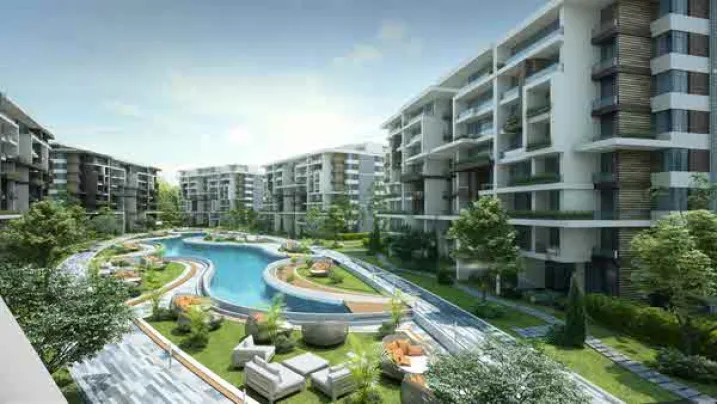
The apartment prices in the New Administrative Capital are influenced by several key factors that every buyer or investor should understand. First, the location within the city plays a major role; areas near the Green River, the Corniche, or major commercial centers usually have higher prices than inner neighborhoods. Second, the developer and project quality matter; reputable companies offer higher quality finishes and guarantees, which increase the price. Additionally, the apartment’s size, the number of rooms, and available amenities such as swimming pools, gyms, and children’s areas are essential determinants. Finally, supply and demand in the real estate market directly affect the apartment prices in the New Administrative Capital; high demand and limited supply increase prices, and vice versa. Understanding these factors collectively helps buyers make informed decisions.
To accurately understand apartment prices in the New Administrative Capital, it is crucial to compare different projects. Start by collecting data on prices according to apartment size, type, and number of rooms. Creating comparison tables that include location, finishing quality, shared facilities, and services can be very helpful. Reading customer reviews and experiences also provides insight into the actual value of apartments relative to their price. It’s important to consider previous sales prices in the same area to estimate annual price increases and future investment potential. Also, account for additional fees such as maintenance, insurance, or taxes. Comparing all these factors gives a clear picture of apartment prices in the New Administrative Capital, enabling buyers to make smart investment choices.
The status of a project significantly affects apartment prices in the New Administrative Capital. Ready-made apartments are usually higher priced because they are move-in ready and come with quality guarantees. On the other hand, under-construction projects often offer lower prices to attract early buyers, with the potential for price increases closer to completion. Payment plans can also vary; some developers provide flexible installment options, which can be a significant advantage for early buyers. However, risks such as construction delays or design changes should be considered, as they may affect the apartment prices in the New Administrative Capital once the project is finished. Understanding these differences helps buyers select apartments that match their budget and goals, whether for living or investment.
Absolutely. Apartment prices in the New Administrative Capital are directly influenced by economic conditions and government policies. Interest rates on housing loans, inflation, and currency fluctuations can all affect purchasing costs and investment value. Government incentives for developers and buyers can stabilize or temporarily lower prices. Laws regarding property ownership and foreign investment also impact demand and, consequently, apartment prices in the New Administrative Capital. Keeping track of economic news and regulations helps buyers make informed decisions for immediate purchase or long-term investment.
When evaluating apartment prices in the New Administrative Capital, it is important to know the best neighborhoods for investment or living. Areas close to the financial district, government hub, or scenic spots like the Green River usually have higher prices due to strategic location and available services. On the other hand, new or peripheral neighborhoods may offer lower prices but have potential for future appreciation. Reviewing urban development plans and upcoming facilities such as schools, hospitals, and shopping centers is essential, as these factors directly impact the future value of the apartment. Comparing prices and features across neighborhoods provides a clearer view of apartment prices in the New Administrative Capital and helps buyers make an informed choice.
Apartment size and layout play a crucial role in determining apartment prices in the New Administrative Capital. Larger apartments with more rooms are usually priced higher, especially if the design efficiently utilizes the available space. Features like balconies, large windows with green views, and well-designed living areas increase the apartment’s value. Buyers should focus on apartment prices in the New Administrative Capital relative to internal features and architectural design to ensure they get the best value for their money. Properly assessing space and layout is essential for both comfort and long-term investment returns.
While listed prices represent the market average, there is often room for negotiation on apartment prices in the New Administrative Capital, especially for under-construction projects or cash purchases. Developers may offer discounts on down payments or flexible installment plans, effectively reducing the final price. It is recommended to know the market average for similar apartments before negotiating. Smart negotiation can lead to significant savings or additional benefits like upgraded finishes or extra services, enhancing the overall value of the purchase.
For buyers focused on long-term investment, understanding apartment prices in the New Administrative Capital is crucial, but other strategies are also important. Choosing a neighborhood with growth potential ensures property value appreciation. Monitoring new projects and government development plans helps predict future price trends. Diversifying investments across multiple projects or areas can reduce financial risk. Finally, focusing on quality finishes and amenities ensures faster rental opportunities and better returns, making the investment more profitable over time.
With the expansion of the New Administrative Capital and increasing demand, understanding apartment prices in the New Administrative Capital is essential for any buyer or investor. Analyzing influencing factors, comparing projects, knowing the best neighborhoods, and evaluating apartment size and layout are all critical steps. Whether purchasing for personal residence or investment, careful planning and market awareness ensure a secure and successful real estate experience.
1. What is the average apartment price in the New Administrative Capital?
Prices vary depending on location, size, and finishing quality. Generally, small apartments start from around 1.2 million EGP, while luxury apartments in prime neighborhoods can reach several million EGP.
2. Do apartment prices change frequently?
Yes, prices fluctuate according to supply and demand, new project developments, and economic or government policies. Staying updated is essential before making a purchase decision.
3. Can I negotiate the price of an apartment?
Yes, negotiation is often possible, especially for under-construction projects or cash payments. Developers may offer discounts or flexible payment plans that reduce the final cost.
4. Which neighborhoods are best for investment or living?
Areas near the financial district, government hub, or scenic locations like the Green River are considered premium neighborhoods with higher prices and future investment potential.
5. Does apartment size and layout affect the price?
Absolutely. Larger apartments with more rooms and well-designed layouts usually have higher prices. Features like balconies, views, and efficient space utilization also increase the apartment’s value.
6. Should I buy a ready-made apartment or one under construction?
Ready-made apartments are higher priced but move-in ready, while under-construction units are usually cheaper but may involve risks like construction delays or design changes.
7. How can I ensure I get the best value for my money?
Comparing different projects, reviewing amenities, location, finishes, and checking market price averages will help you make an informed decision and ensure a good return on investment.