Sport Mode in Cars: Fuel Consumption & Best Usage Guide
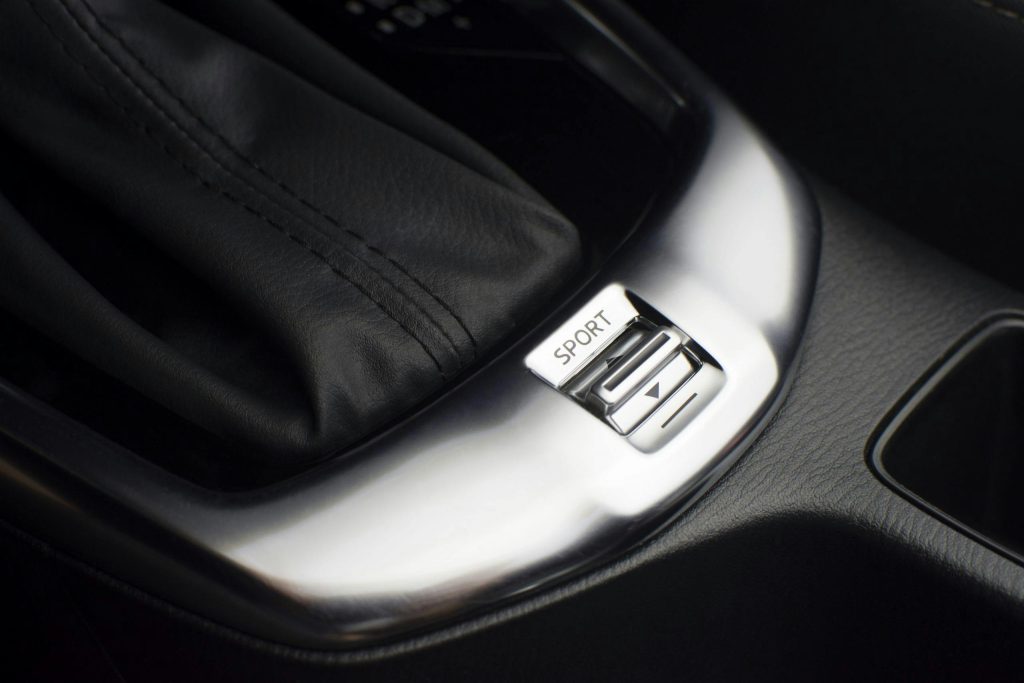
Modern vehicle engineering has evolved to allow drivers to instantly modify their car's personality and mechanical response at the touch of a button.
Among the various drive settings available, "Sport Mode" remains a firm favorite for driving enthusiasts, delivering sharper engine response, enhanced dynamics, and a vastly more engaging driving experience.
As Sport Mode becomes increasingly common across standard sedans, crossovers, SUVs, and EVs—rather than being strictly reserved for high-performance sports cars—drivers often seek to understand how the system functions, how it impacts fuel efficiency, and when it is best deployed.
How Sport Mode Alters Mechanical Response
Engaging Sport Mode does not mechanically add horsepower to the engine; instead, it reconfigures the Engine Control Unit (ECU) and transmission programming to optimize performance delivery:
- Throttle Sensitivity: The accelerator pedal becomes considerably more sensitive, translating minor foot inputs into immediate throttle opening.
- Transmission Shift Logic: The automatic gearbox holds onto lower gears longer, keeping the engine running at higher revolutions per minute (RPM) to access peak horsepower and torque.
- Steering Weight: Electronic Power Steering (EPS) systems increase resistance, offering a heavier, more direct steering feel for improved high-speed feedback.
- Adaptive Suspension Adjustments: On vehicles equipped with electronically controlled dampers, the suspension firms up to reduce body roll during high-speed cornering.
Ideal Driving Conditions for Sport Mode
Sport Mode offers genuine practical benefits and heightened safety when used in specific driving situations:
- Highway Overtaking: Provides immediate acceleration and torque required to pass slower traffic swiftly and safely.
- Winding and Mountain Roads: Offers superior vehicle stability while utilizing engine braking to minimize brake wear on steep descents.
- Merging into Fast Traffic: Delivers quick off-the-line acceleration when joining high-speed arterial roads.
- Track Days and Performance Driving: Allows drivers to exploit the vehicle's full performance envelope in controlled environments.
When Should You Avoid Using Sport Mode?
Despite its dynamic appeal, continuously driving in Sport Mode is not advisable under certain everyday conditions:
- Heavy Stop-and-Go Traffic: The aggressive throttle mapping can lead to jerky, uncomfortable movement for passengers.
- Wet or Slippery Road Conditions: Instant torque delivery to the driven wheels increases the risk of traction loss on slick surfaces.
- Long-Distance Cruising for Efficiency: Running the engine at elevated RPMs unnecessarily increases fuel consumption without providing operational benefits.
Direct Impact on Fuel Consumption
It is an established mechanical fact that operating a vehicle in Sport Mode increases fuel consumption. This rise is primarily caused by keeping the engine at higher RPM levels and delaying upshifts that would otherwise lower engine load.
The exact increase in fuel usage varies based on driving style, road conditions, engine displacement, and forced induction (turbocharging). Consequently, Sport Mode is fundamentally incompatible with fuel-saving objectives.
Drive Mode Comparison: Sport vs Normal vs Eco
- Sport Mode: Prioritizes maximum engine and transmission responsiveness, holds gears to higher RPMs, and stiffens steering, resulting in higher fuel consumption.
- Normal Mode: Balances smooth power delivery, passenger comfort, and moderate fuel consumption, making it the ideal setting for general daily driving.
- Eco Mode: Dampens throttle input and promotes early upshifts to keep engine RPMs low, maximizing fuel efficiency for highway cruising and commuting.
Sport Mode serves as a valuable engineering feature that unlocks your vehicle's full dynamic potential when activated in appropriate driving scenarios. By understanding the mechanical operational differences between drive modes, drivers can optimize vehicle performance, enjoy enhanced handling, and maintain fuel efficiency tailored to varying road conditions.