Will Chinese Car Prices Rise in Egypt After Beijing's Tax Rebate Cut?
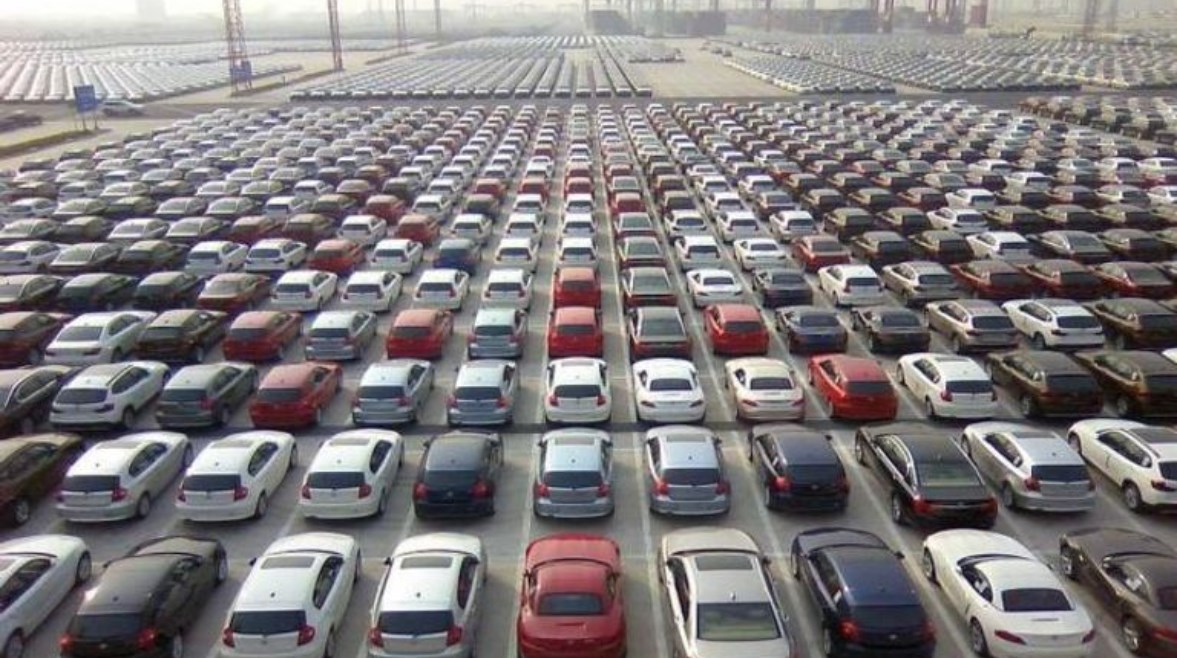
Reduced Export VAT Rebate Puts Automaker Margins Under Pressure Starting April 2027
The Chinese government has enacted new policy shifts regarding the automotive export framework, reducing tax incentives that long supported exports of New Energy Vehicles (NEVs)—encompassing battery electric vehicles (BEVs) and plug-in hybrid electric vehicles (PHEVs).
Under the newly announced guidelines, the Value-Added Tax (VAT) export rebate rate for NEVs will drop from 13% to 9%, effective April 1, 2027.
This policy adjustment comes as Chinese NEV exports reach record levels, expanding 130% year-on-year to hit 4.006 million units during the first nine months of 2026.
The 4-percentage-point cut in export rebates raises key questions for automotive markets relying on imported Chinese vehicles, including Egypt.
How the VAT Rebate Cut Increases Export Costs
Regulatory clarifications from China's Ministry of Finance confirm that the measure does not impose new direct export duties or trade bans. Instead, it reduces the amount of VAT reimbursed to manufacturers upon shipping vehicles overseas.
- Higher Effective Production Costs: By trimming 4 percentage points off the export rebate, the net manufacturing and logistics cost per exported unit increases, directly pressuring per-vehicle profit margins.
- Margin Pressure Amid Domestic Price Wars: The reduction comes at a time when Chinese automakers are engaged in prolonged domestic price competition, limiting their capacity to absorb additional cost burdens without adjusting FOB export pricing.
- Scope of Vehicles Affected: The lower rebate applies across battery electric passenger vehicles, plug-in hybrids, electric buses, and commercial electric trucks.
Impact Assessment on the Egyptian Auto Market
Industry analysts expect the local market impact in Egypt to remain minimal until the second quarter of 2027, aligning with the official April implementation date. Potential price adjustments for Chinese models in Egypt will largely depend on three key dynamics:
- Automaker Margin Absorption: Major globalized Chinese brands may choose to absorb part of the 4% tax differential to protect their expanding market share across Middle Eastern and African markets.
- Passing Costs to Importers: Smaller manufacturers or low-margin models may pass the cost difference directly to local distributors and importers, leading to incremental adjustments in retail prices.
- Local Assembly vs. CBU Imports: Vehicles assembled locally in Egypt via CKD kits will experience less exposure to NEV CBU export rebate cuts compared to Completely Built-Up (CBU) imports.
Beijing's decision to lower the NEV export VAT rebate marks a transition toward industrial maturity, encouraging automakers to compete on technology, scale, and localization rather than state-backed tax subsidies.
While the policy implementation remains set for April 2027, local Egyptian distributors and Chinese manufacturers will spend the coming quarters recalibrating pricing strategies to balance market competitiveness with shifting operational costs.