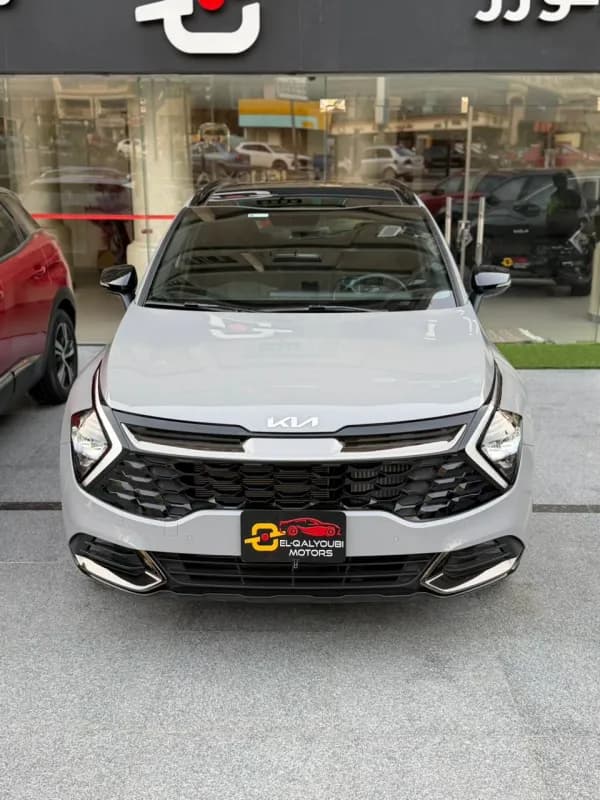
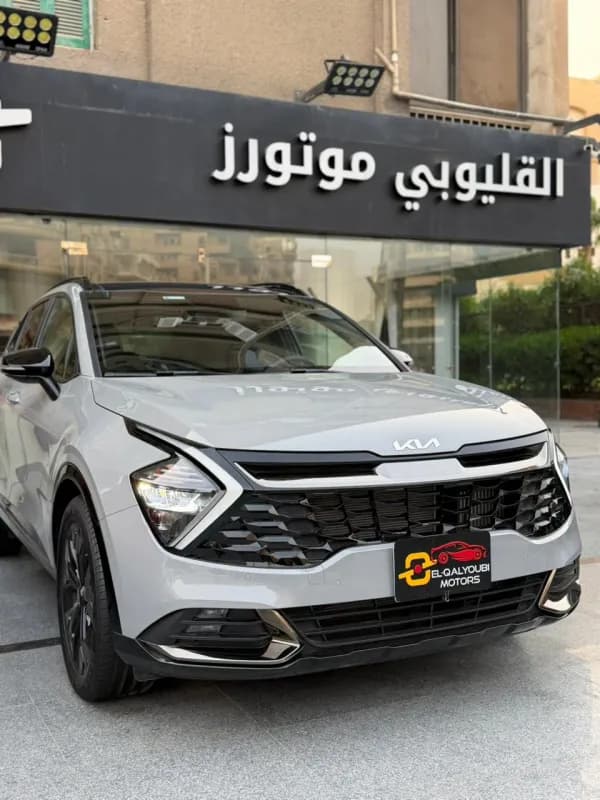
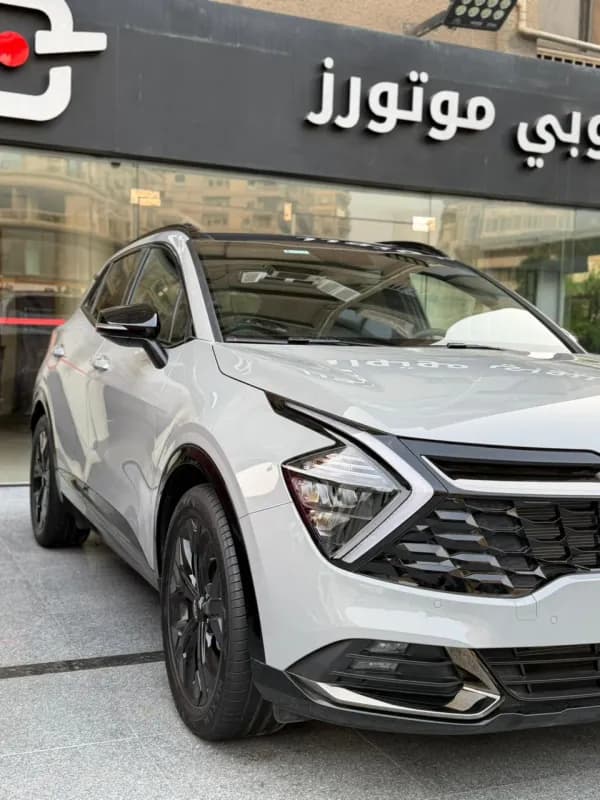
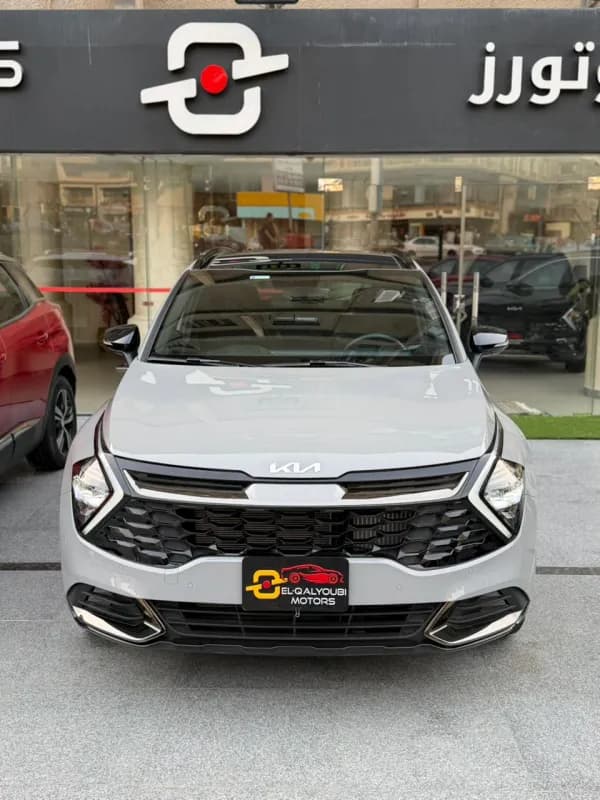
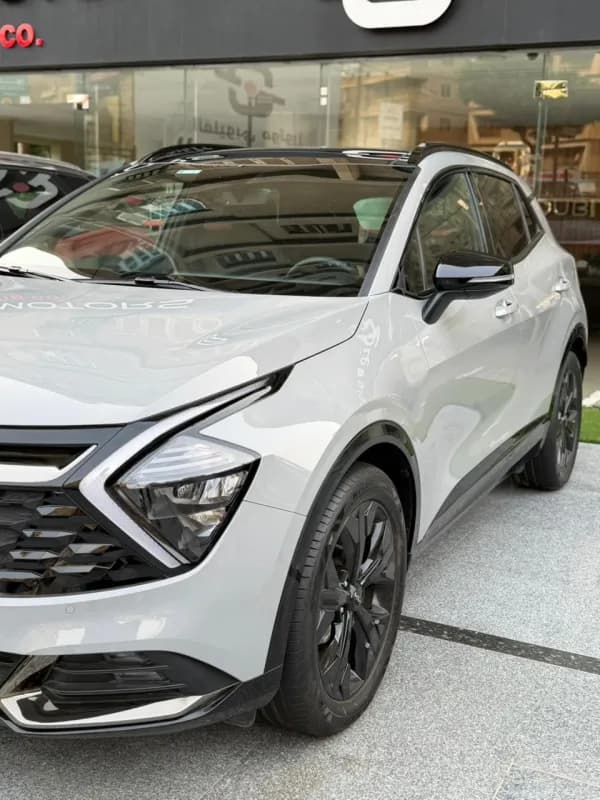
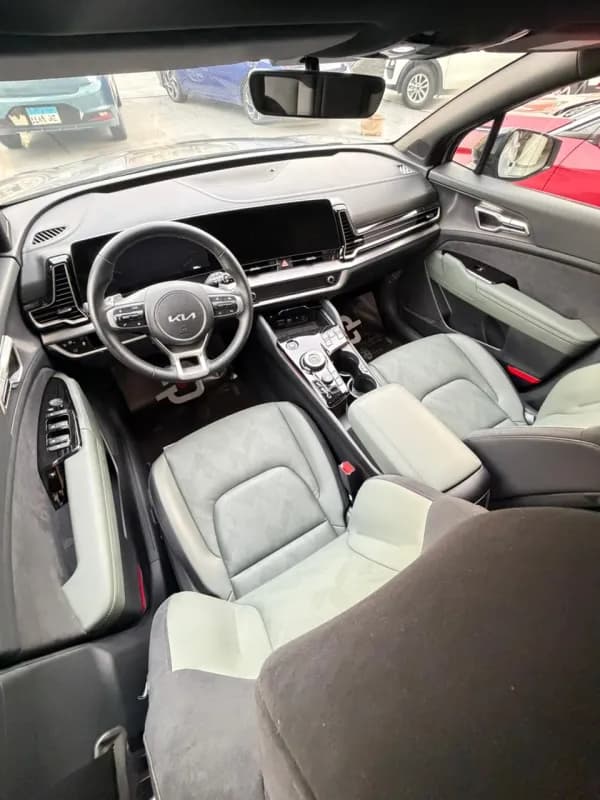
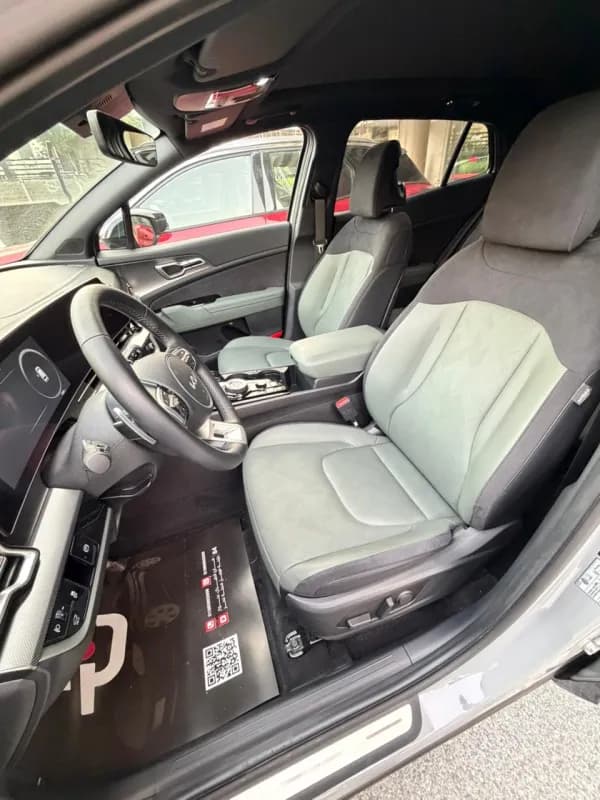
description
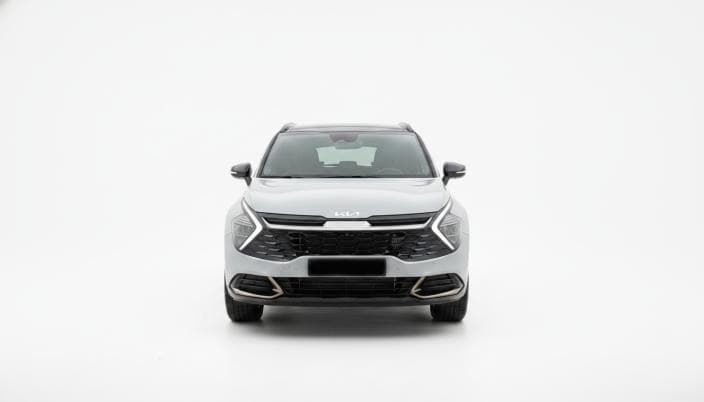
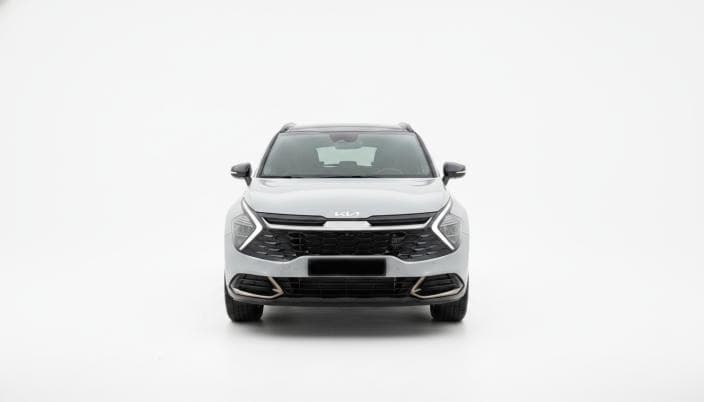
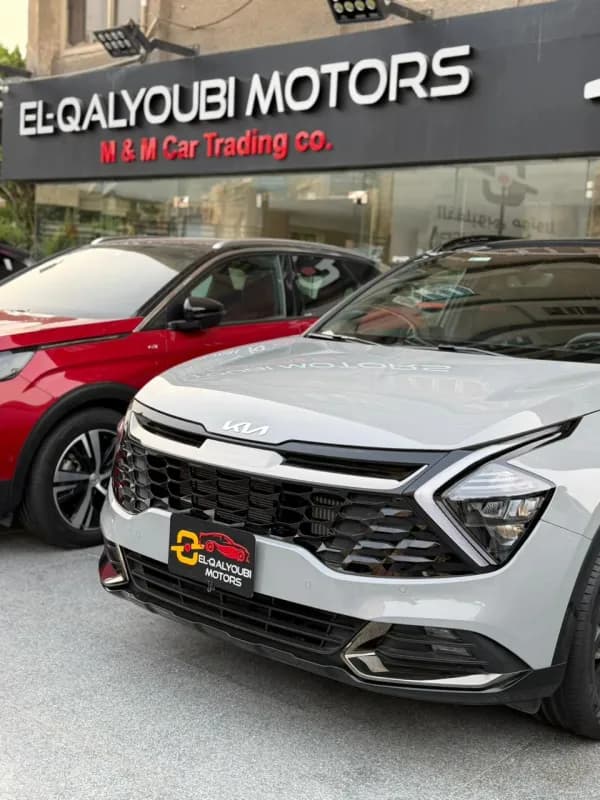
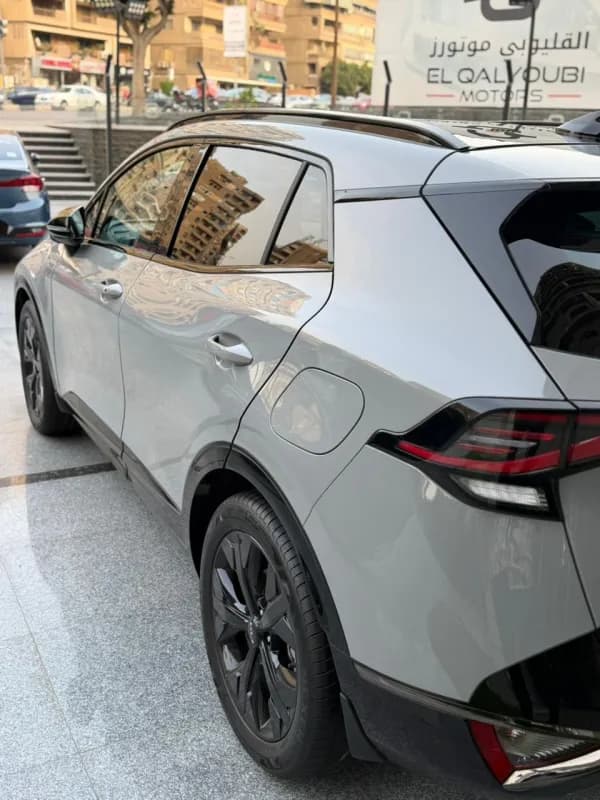
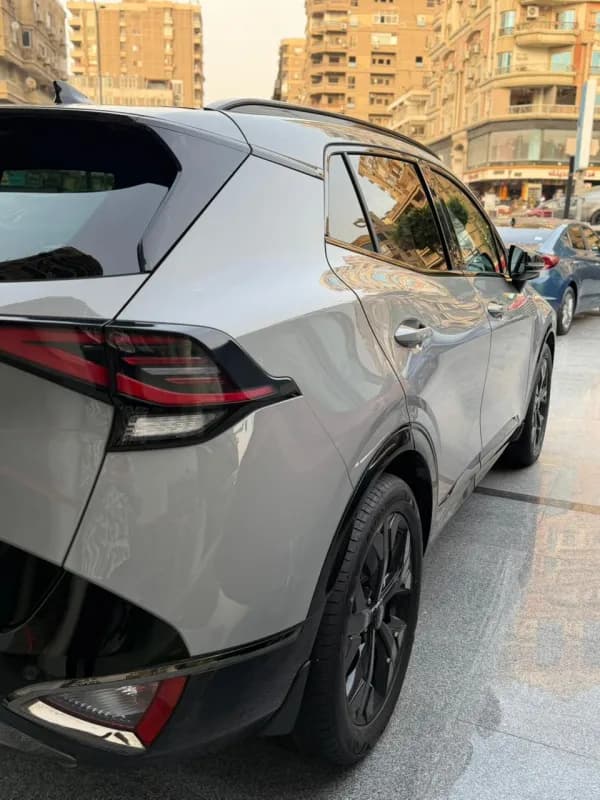
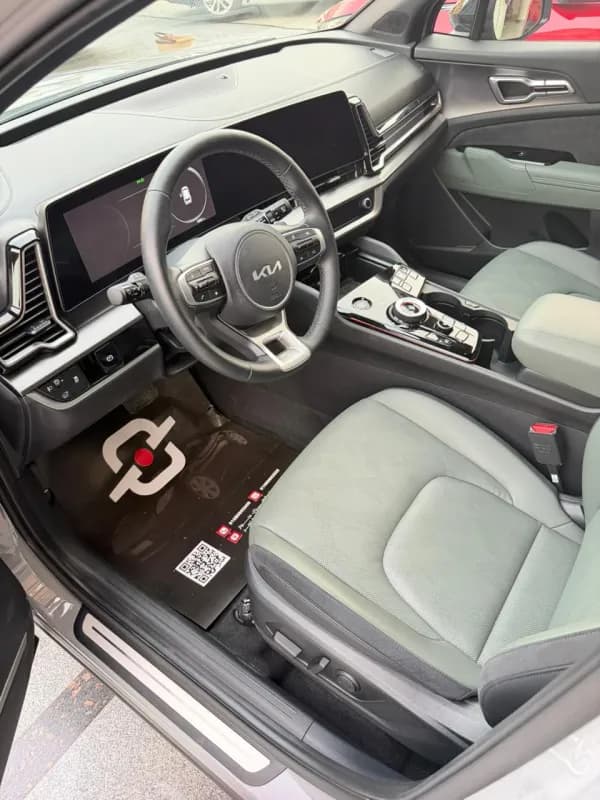
KIA SPORTAGE 2024 5000 KM ! لو انت موظف او صاحب عمل بصوره البطاقه فقط تقدر تستلم عربيتك بمقدم يبداء من ٢٠ ٪ ! او ممكن تدفع ٣٠ ٪ واستلم عربيتك فوري بموافقه فورية بدون أي استعلامات وكمان : بدون تامين اجباري + بدون مصاريف إداريه + وكمان كاش باك هديه ! و ...
Specifications

Brand
Kia

Model
Sportage

Classification
GT-line

Year
2024

Transmission
Automatic

Car Condition
Used
You May Also Browse
 Used
 Great Price
 Gasoline
Kia Sportage 2024 GT-line White Automatic — Used

GT-line

5,000 KM

White
81077-12146-86384-52127
Out Of Stock - Available On Order